
Memorandum
- From
- Connor Quincy via Fast Company
- Date
- Filed
- Culture·4 min to read
- Re
Melissa Chiu takes helm at Guggenheim, defends museums in turbulent times
ReMelissa Chiu takes helm at Guggenheim, defends museums in turbulent times
Melissa Chiu, longtime director of the Smithsonian's Hirshhorn Museum, begins her new role as director of New York's Solomon R. Guggenheim Museum on September 1. In an interview, she discusses her tenure, the role of culture amid political turmoil, and her vision for the iconic Frank Lloyd Wright building.
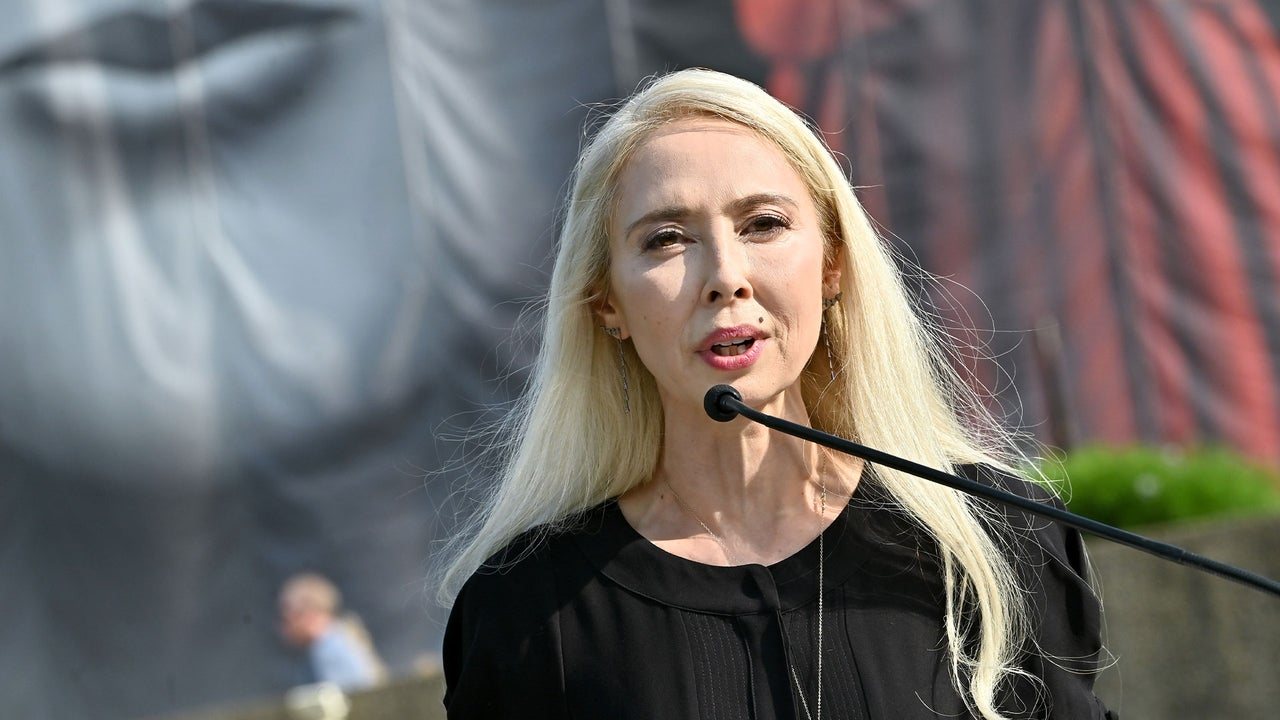
Melissa Chiu, the longtime director of the Smithsonian’s Hirshhorn Museum and Sculpture Garden, will begin her new role as director of New York’s Solomon R. Guggenheim Museum on September 1. In a recent interview, Chiu reflected on her 12-year tenure in Washington, D.C., and outlined her ambitions for one of the world’s most recognizable museum buildings, designed by Frank Lloyd Wright.
Chiu announced her departure from the Hirshhorn in April, a period when the Trump administration has continued to target the Smithsonian Institution in an effort to “remove improper ideology” from the organization, accusing it of political bias. The federal government recently proposed cutting the institution’s funding by 11%, which would bring it to its lowest prospective funding level since 2020. Despite that climate, Chiu said she remained committed to advocating for the Hirshhorn throughout her tenure, which began in 2014.
Under Chiu’s leadership, attendance at the Hirshhorn tripled, fundraising increased, and the museum’s permanent collections expanded. One of her final major projects was laying the groundwork for the revitalization of the museum’s Sculpture Garden, reimagined by architect and photographer Hiroshi Sugimoto. Chiu described the decision to commission Sugimoto as a pivotal moment for the museum, noting that the artist brought an intuitive understanding of the spaces artists want to create work for. The garden design incorporates stone from local quarries across America and trees suited to the D.C. climate, providing shade and respite from the city’s summer heat.
Chiu called the Guggenheim position a “dream job” that she would have accepted under any circumstances. She pointed to the museum’s extraordinary architecture, its groundbreaking exhibition history, and its comprehensive collection of works by Wassily Kandinsky as key draws. “I always think of museums and buildings as much as their collection and the art they show,” she said. “When you have both of them together to speak to the moment that they were created, I think allows for a pretty unique experience of being in the museum and having that encounter with art.”
Reflecting on the differences between the two institutions, Chiu noted that the Hirshhorn sits within the Smithsonian complex, the largest museum network in the world, facing the National Mall, which draws 35 million visitors annually. Many of those visitors had never been to a modern art museum before, which shaped the Hirshhorn’s programming, including its talks and video guides. In New York, she said, the audience is more local and city-based, and generally more familiar with contemporary art. That, she explained, allows for different kinds of exhibitions and collaborations with the large population of artists living in New York.
Among her proudest achievements at the Hirshhorn, Chiu cited the museum’s 2017 exhibition of Yayoi Kusama’s infinity mirror rooms, which she said was a major art historical contribution and a cultural phenomenon that traveled nationally. Kusama passed away last week, after the interview took place. Chiu also spoke about the role of technology in museums, referencing her institution’s education center mantra, “Think like an artist,” as a guiding principle for engaging audiences in new ways.
154