
Memorandum
- From
- Caroline Mercer via Carscoops
- Date
- Filed
- Business·4 min to read
- Re
Xpeng Looks to License Its EV Technology to Other Automakers
ReXpeng Looks to License Its EV Technology to Other Automakers
Chinese electric vehicle maker Xpeng is seeking to license its electrical architecture, driver-assistance software, and AI chips to other automakers, suppliers, and robotics firms, as it works toward profitability.
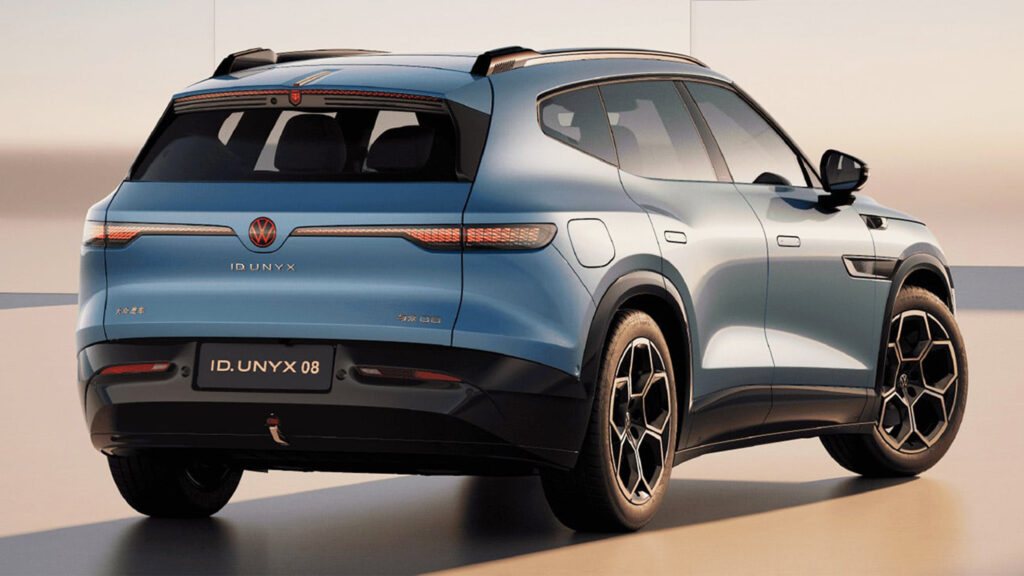
Xpeng is actively courting other automakers, suppliers, and software developers to adopt its advanced vehicle technologies, including its electrical and electronic architecture, cockpit systems, driver-assistance software, and Turing AI chips, according to people familiar with the matter. The move would create a significant new revenue stream for the Chinese electric vehicle maker, which has yet to turn a profit despite its prominent position among China's EV startups.
The company already supplies technology to Volkswagen in China through a collaboration that includes joint vehicle development and a shared architecture. That partnership has begun to bear fruit: the first vehicle co-developed by the two companies, the Volkswagen ID. Unyx 08, entered production in March, just 24 months after the project began. The SUV features an 800-volt electrical architecture with 85 kWh and 92 kWh battery pack options, and instead of Volkswagen's own driver-assistance system, it uses Xpeng's Level 2 system.
Xpeng's ambitions extend beyond traditional automakers. The company could also license its technology to robotaxi and robotics firms. It recently started small-scale production of its IRON humanoid robot and plans to begin mass production before the end of the year. Chief executive He Xiaopeng has suggested that class-leading humanoid robots may generate higher margins than the company's vehicles, signaling a potential shift in the company's revenue mix.
The push to license technology comes as Xpeng's vehicle sales revenue remained relatively steady in the second quarter, while revenue from services and other business ventures nearly doubled, according to Reuters. That divergence helps explain why the company is eager to monetize its technical investments across a broader customer base. Licensing deals with other car manufacturers, suppliers, and foreign software developers could provide a higher-margin income stream that is less dependent on vehicle sales volumes.
Xpeng's technology portfolio includes its electrical and electronic architecture, which serves as the digital backbone of a vehicle, as well as cockpit systems and advanced driver-assistance software. The Turing AI chip is another key asset the company hopes to sell to outside partners. By offering these components to other companies, Xpeng would position itself not just as a competitor in the EV market but as a supplier to the broader automotive and robotics industries.
The strategy mirrors a broader trend among Chinese EV makers seeking to diversify revenue amid intense price competition at home. For Xpeng, which has invested heavily in research and development, licensing its intellectual property could help offset the costs of developing next-generation vehicles and robots. The company's existing work with Volkswagen provides a proof point that its technology can be integrated into vehicles sold under other brands.
Volkswagen's ID. Unyx 08, the first product of the Xpeng partnership, is already in production and represents a notable departure from the German automaker's typical designs sold in Western markets. The vehicle's use of Xpeng's Level 2 driver-assistance system rather than Volkswagen's own technology underscores the depth of the collaboration and the confidence that at least one major global automaker has placed in Xpeng's software and electrical architecture.
Whether other automakers will follow Volkswagen's lead remains to be seen, but Xpeng's willingness to supply competitors and suppliers alike suggests the company sees technology licensing as a central pillar of its future business model. With vehicle sales alone not yet delivering profitability, the success of these licensing efforts could play a decisive role in Xpeng's financial trajectory.
6