Memorandum
- From
- Derek Weston via Fast Company
- Date
- Filed
- Business·4 min to read
- Re
Hem CEO Petrus Palmér explains why he dropped discounts and called out Ikea
ReHem CEO Petrus Palmér explains why he dropped discounts and called out Ikea
Hem founder and CEO Petrus Palmér discusses his decision to eliminate all discounts and seasonal sales, the company's shift from direct-to-consumer to wholesale and trade, and his criticism of Ikea's new collection.
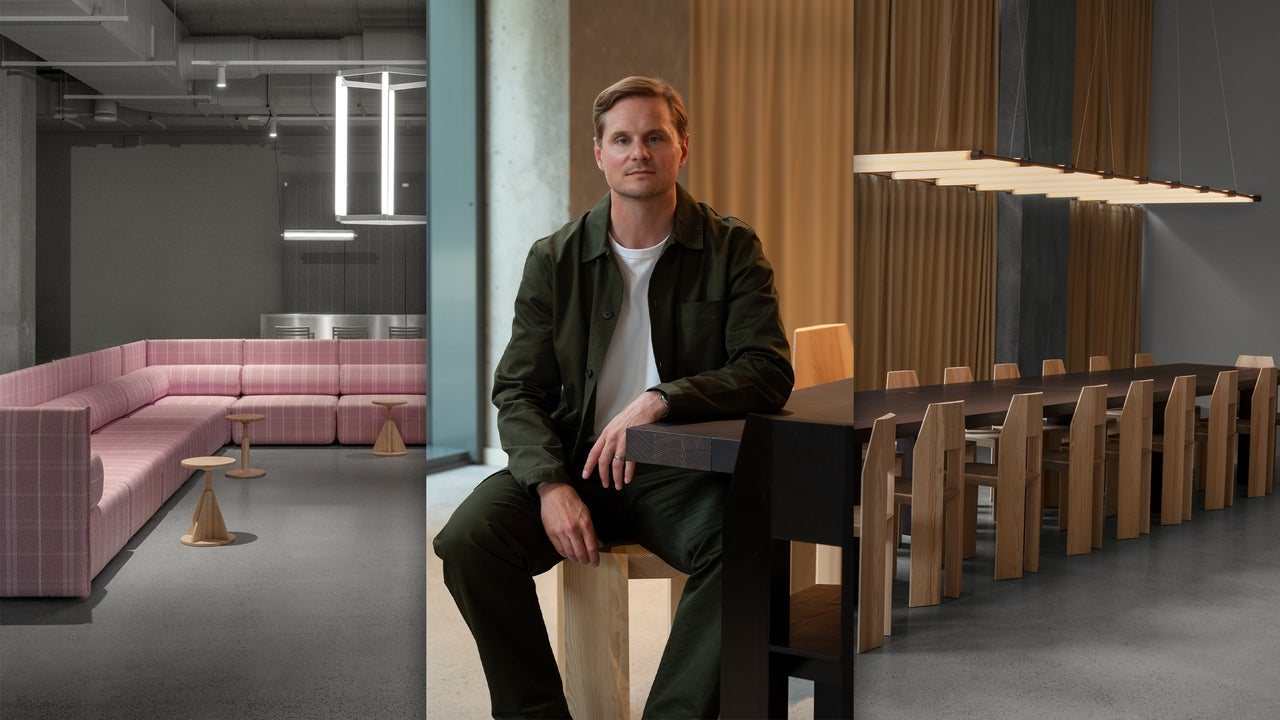
Hem founder and CEO Petrus Palmér has built his Swedish furniture brand on collaborations with cutting-edge designers, but his latest moves are about what he won't do: discount products or stay quiet about what he sees as imitation by larger competitors.
Earlier this year, Palmér announced on LinkedIn that Hem would eliminate all discounts, including Black Friday and seasonal sales. The policy took effect immediately in February. In a video interview from his home in Stockholm, Palmér said the decision had been building for a long time and reflected growing evidence that customers are willing to pay full price for well-designed furniture.
«I've never felt comfortable with discounting the items, and as the business has developed, I feel like we've gotten more proof that people are willing to pay full price, and that we're actually better off maintaining the full price than trying to periodically discount them,» Palmér said.
He argued that discounting erodes trust, not just with consumers but also with the architects and interior designers who specify Hem pieces for commercial projects. Those professional clients value consistency and stability in pricing, he said, because they need to be able to specify the same item now and years into the future without worrying about price volatility.
The response from wholesale partners has been positive, according to Palmér. When Hem discounts its products, retailers feel pressured to do the same, so the new policy makes their work easier. However, the change has had a measurable impact on Hem's own e-commerce and direct sales.
«It was a calculated bet. That's gone down. I don't have the exact numbers, but it's roughly what we expected,» Palmér said. He acknowledged that some customers who shop primarily for deals will buy less frequently, making the brand more reliant on loyal customers and business-to-business clients.
Hem launched in 2014 during the wave of direct-to-consumer brands that promised to cut out the middleman. Palmér, who spent about a decade designing products before founding the company, said the model was exciting at first because it reflected a genuine shift in consumer behavior. But the promise proved incomplete.
«They didn't factor in that someone still needed to pay for the retailer, the middleman. There was a lot of talk about cutting out the middleman, and when that middleman was gone, the brand had to do it themselves,» he said. Hem had to absorb the costs of inventory, shipping, customer service, and especially marketing, which became more expensive over time.
Many D2C brands went under as those costs mounted. Hem survived, Palmér said, because its products were strong enough to sell through any channel. After a couple of years, the company pivoted to a more traditional sales model, and today the majority of its revenue comes from trade and wholesale rather than direct online sales.
«We don't have to have an innovative business model as long as we keep making really good products,» he said.
Palmér also addressed his recent criticism of Ikea. He took to LinkedIn to call out the furniture giant for what he described as appropriating Hem X, Hem's platform for creative collaborations. Ikea's new Konstrunda collection, which offers affordable art objects by seven makers, recently launched.
Palmér said he has thought extensively about Hem's identity relative to larger brands. He once said he wanted Hem to be the «Ikea of the premier market,» but that ambition has evolved. He now distinguishes between scale and influence, noting that the two sometimes overlap but are not the same thing.
120