Memorandum
- From
- Derek Weston via GameSpot - All Content
- Date
- Filed
- Culture·4 min to read
- Re
Red Barrels Built Outlast Without a Publisher and Reached 60 Million Players
ReRed Barrels Built Outlast Without a Publisher and Reached 60 Million Players
Red Barrels co-founder Philippe Morin recounts how the Montreal studio self-funded Outlast after 18 months of publisher rejections, betting the founders' savings and mortgages on a first-person horror game that has now reached 60 million players.
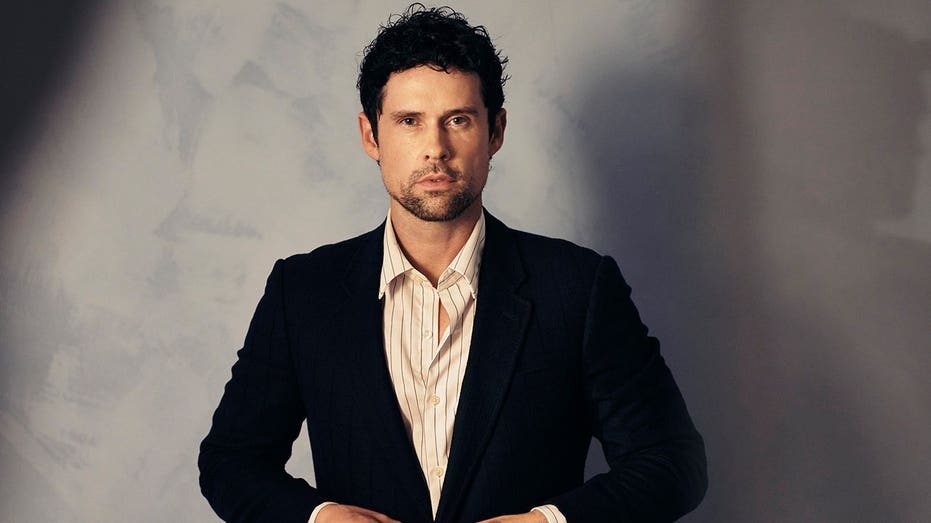
Red Barrels, the Montreal indie studio behind the horror series Outlast, built its debut game without a publisher after 18 months of failed pitches, co-founder Philippe Morin said in an interview. The studio's founders put their own savings, credit cards and home mortgages on the line to finish the 2013 release, which has since drawn 60 million players.
Morin, David Chateauneuf and Hugo Dallaire founded Red Barrels after leaving roles at large studios including Electronic Arts, Ubisoft and Naughty Dog. Morin said the group had reached the same point in their careers and wanted to make something of their own. After a project was canceled at EA, they settled on horror because it was a genre they loved, and they chose a distinctive approach: first-person play in which the player is defenseless and can only run and hide from enemies, with a night-vision camera lens that became the series' signature look.
The founders had already tried to sell Ubisoft on a horror game in 2008 while working there, but Morin said the publisher was not interested, largely for financial reasons. At the time, major publishers believed horror did not sell. The period from roughly 2006 to 2012 saw few horror releases, and most of the exceptions, such as Dead Space and Resident Evil 5, pushed the genre toward action. Smaller PC titles like Amnesia: The Dark Descent and Penumbra: Overture showed there was still an audience, and the Red Barrels team took Amnesia's success as proof that a market existed.
Morin said the team expected to write a pitch in three or four months and quickly learn whether publishers would bite. Instead, the process took 18 months of meetings. Partners were scarce, and Morin recalled potential backers saying they would rather invest $50,000 in 10 mobile games than $500,000 in Outlast, a reflection of how fixated the industry was on mobile at the time.
No publisher signed on. The Canada Media Fund, a publicly funded program supporting Canadian media projects, provided about $1 million, but that was not enough. Morin said the founders added $360,000 from their own savings and credit cards and leveraged their home mortgages to see the project through. «Everything was pretty much on the line,» he said, describing long hours and a sprint to release the game before the money ran out.
With no publisher, Red Barrels handled publishing itself, learning marketing and sales on the fly. The team set a target of 400,000 copies in the first year, borrowing the figure from Frictional Games' Amnesia. After a promising launch window in early September 2013, sales slowed and the pace looked short of that goal. Morin reached out to Frictional co-founder Thomas Grip, who walked him through the rhythm of Steam sales, explaining that promotions produce spikes followed by declines, turning the sales curve into a roller coaster.
The first discount event, timed for Halloween, helped put the game back on track. Outlast went on to become a tentpole horror series for Red Barrels, and the studio now counts 60 million players across the franchise. The story illustrates how a small independent team can build a lasting property outside the traditional publisher system, and how public funding and direct digital distribution can change the odds for studios working in genres the major labels had written off.
3