Memorandum
- From
- Delaney Sawyer via Fast Company
- Date
- Filed
- Sports·4 min to read
- Re
Writer calls for banning VAR, arguing it drains emotion from soccer
ReWriter calls for banning VAR, arguing it drains emotion from soccer
A column argues that the Video Assistant Referee system has disrupted the emotional rhythm of soccer by delaying goal celebrations and replacing spontaneous moments with lengthy reviews, and it calls for VAR to be scrapped.
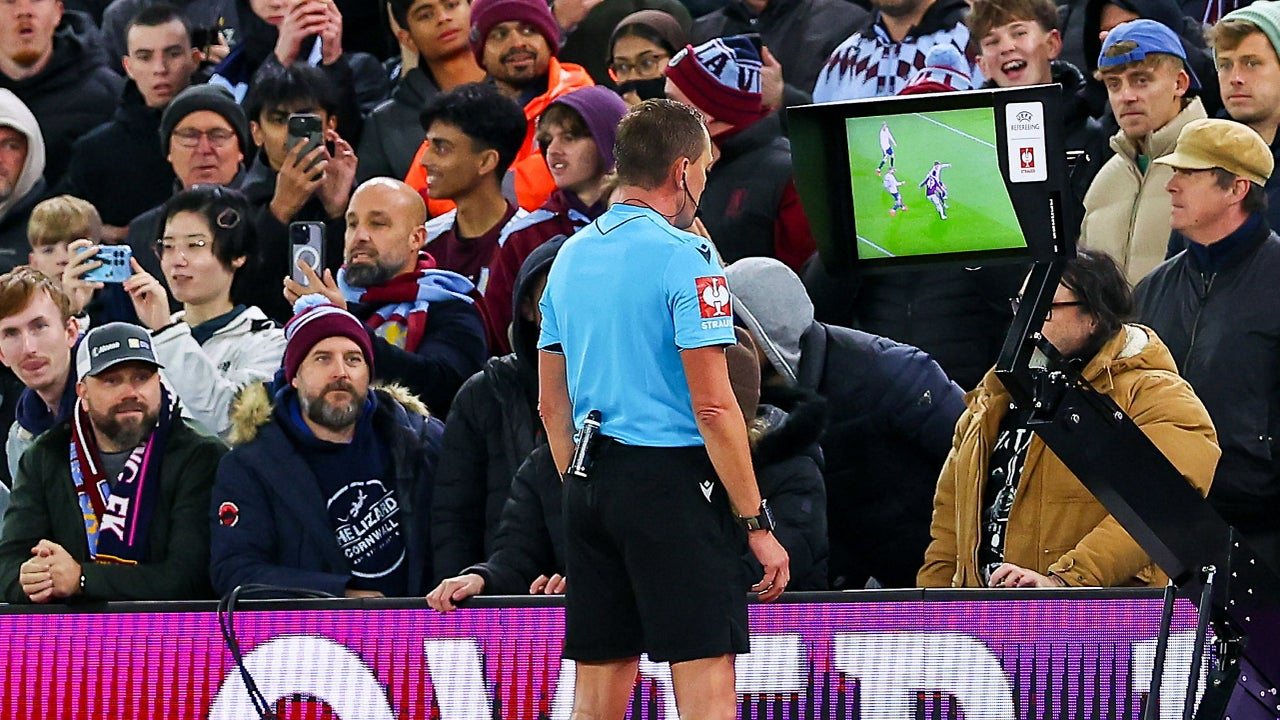
VAR, the Video Assistant Referee system, has turned the moment of a goal into a drawn-out process that drains the emotion out of soccer, and one commentator argues the technology should be banned outright. The argument centers on the idea that a goal is the heart of the game, the instant when players and fans rise together, and that VAR interrupts that shared experience with a remote review.
The system was introduced to the English Premier League in 2019 and became further entrenched in global soccer during the 2026 FIFA World Cup. The writer acknowledges that VAR is intended as a well-intentioned innovation designed to make the game fairer. In practice, however, the writer says it largely replaces one subjective call with another, as decisions are handed to officials in a booth who review slowed-down footage on a wall of screens, often far from the stadium.
The writer points to the delays that follow many goals. Every Premier League goal is automatically reviewed, and the most disruptive reviews leave a scorer celebrating and then waiting for a verdict. Questions such as whether a player was offside, when the attacking sequence began, how long ago a foul occurred, or whether a hand was in a natural position all have to be settled before the goal stands. When it does, the writer says, the celebration feels less like a release of joy and more like the outcome of a courtroom appeal.
To support the argument, the column draws on the philosopher Albert Borgmann, who described sport as a communal catalyst that cannot be guaranteed or produced on demand and that is greater than the individuals it unites. It also cites Marshall McLuhan, who praised instant replay as an art form while noting that it concentrates attention on the process of the game. The writer's point is that replay offers the meaning and dissection of a play but not the experience itself.
The column also quotes Wayne Rooney, the former Manchester United player, who said he was sick of VAR and described it as horrendous because it takes the emotion and energy out of the game. Rooney made the remarks after a clear VAR error in a Manchester derby between his former club and Manchester City, which led Pro Ref, the organization behind VAR, to apologize. The writer notes that the NFL also uses off-site video review and questions how far such systems will expand in other sports.
The writer further argues that when new technology produces mistakes, the usual response is to seek a technical fix, such as faster reviews, better sensors or more camera angles. In the writer's view, this approach misses the core issue, which is whether a technology belongs in the game at all. The column acknowledges that the question is partly subjective and depends on how one defines the essence of a game. It also notes that sports betting would complicate any move to remove VAR, since many people stake money on events within matches. The writer's conclusion is that the game itself, and the ecstatic moment of a goal, should be the priority, and that VAR should be abolished to restore it.

3