
Memorandum
- From
- Connor Quincy via fox - Most Popular
- Date
- Filed
- Sports·6 min to read
- Re
USA Today columnist apologizes for invoking Emmett Till in Caitlin Clark column
ReUSA Today columnist apologizes for invoking Emmett Till in Caitlin Clark column
USA Today sports columnist Nancy Armour faced widespread backlash after comparing Caitlin Clark's on-court complaints to actions that could put Black and queer WNBA players in danger, drawing a controversial parallel to the lynching of Emmett Till. Armour later apologized for the 'inartful comparison,' but the incident has reignited debate about the state of sports journalism.
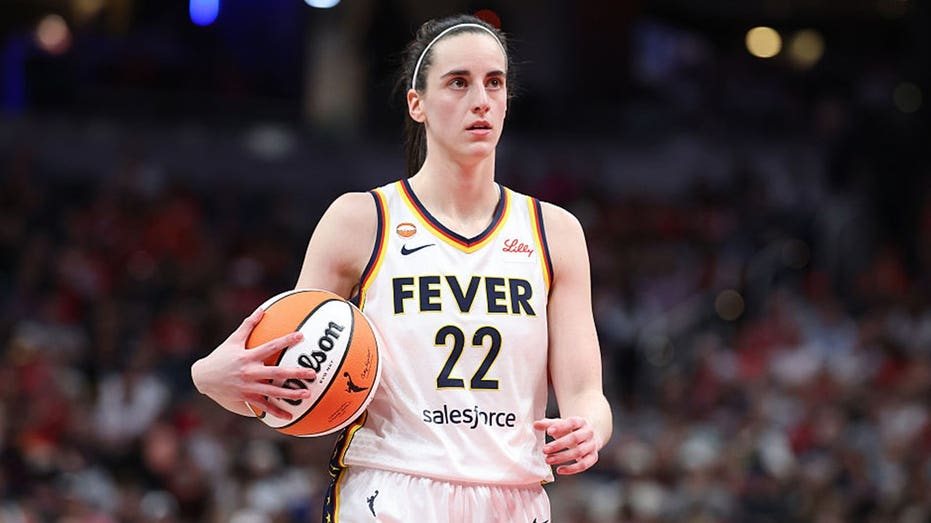
A USA Today sports columnist has issued an apology after drawing a controversial comparison between WNBA star Caitlin Clark and the lynching of Emmett Till, sparking intense backlash across the sports media landscape. Nancy Armour, a longtime columnist for the publication, wrote that Clark's complaints about officiating could put Black and queer WNBA players in danger, invoking the 1955 lynching of the 14-year-old Black teenager in Mississippi.
Armour's column, published ahead of the WNBA All-Star Game in Chicago — Till's hometown — argued that Clark should recognize the wider consequences of her actions. Armour wrote that while the league must do more to protect its players, there should also be an expectation on Clark to understand how her behavior might influence others. The comparison immediately drew sharp criticism from readers, media personalities, and even Clark's supporters.
In a statement posted on Bluesky, Armour apologized, calling the comparison an 'inartful' choice of words. 'I recognize that the comparison was inappropriate and I regret it,' she wrote. 'My intent was to highlight the broader societal context in which athletes operate, but I failed to communicate that effectively.' The apology did little to quell the outrage, with many accusing Armour of crossing a line that should never be approached in sports journalism.
Caitlin Clark, the Indiana Fever guard and the most popular player in the WNBA, has been the subject of intense media scrutiny since entering the league. Known for her exceptional shooting range and competitive fire, Clark has also drawn criticism for her interactions with officials and occasional flopping. However, Armour's column went beyond typical critique, suggesting that Clark's behavior could have dangerous implications for other players based on their race or sexual orientation.
Clark herself has publicly discouraged fans from using her name to promote racism or harass other players. In a statement in 2024, she said, 'I do not want my name used to push hate or division. That is not what I stand for.' Despite this, Armour's column implied that Clark bore some responsibility for the actions of a small number of fans who have sent inappropriate messages to WNBA players.
The controversy has reignited a broader debate about the state of sports journalism. Critics argue that many sportswriters have become too consumed with injecting political and social commentary into their coverage, often at the expense of objective reporting. OutKick, the outlet that first reported on Armour's column, described it as 'one of the most bizarre, inexplicable, unacceptable articles you'll ever see attacking Clark.' The publication also noted that Armour has a history of controversial columns, including one that claimed the United States had already 'lost' the 2026 World Cup because of President Donald Trump.
Armour's defenders, however, argue that sports and society are inherently intertwined, and that journalists have a responsibility to address issues of race, gender, and power within the athletic world. They point to the long history of athletes using their platforms to speak out on social issues, from Muhammad Ali to Colin Kaepernick. But even some of Armour's usual allies have distanced themselves from the Till comparison, acknowledging that it was a serious misstep.
The Emmett Till Foundation has not publicly commented on the column. Till's lynching in 1955 became a catalyst for the civil rights movement after his mother insisted on an open-casket funeral to show the world the brutality of racism. Comparing any modern sports dispute to that historical atrocity has been widely condemned as inappropriate and insensitive.
The incident also highlights the growing divide between traditional sports fans and the modern sports media establishment. Many fans have expressed frustration with what they see as an overly politicized approach to covering games and athletes. This sentiment has been echoed by prominent figures like Dave Portnoy, who blasted Armour's column, and by athletes like Sophie Cunningham, who has spoken out about the pressure on WNBA players to conform to certain political narratives.
As the WNBA season continues, the league has not issued an official statement on Armour's column. Clark and the Indiana Fever are focused on their playoff push, with the rookie sensation averaging impressive numbers in her first full season. The controversy, however, serves as a reminder of the intense scrutiny that comes with being the face of a growing league — and the challenges that journalists face in covering it responsibly.

67