
Memorandum
- From
- Connor Quincy via FOX News
- Date
- Filed
- Sports·4 min to read
- Re
US Men's National Team Issues Post-World Cup Statement After 4-1 Loss to Belgium
ReUS Men's National Team Issues Post-World Cup Statement After 4-1 Loss to Belgium
Following a shocking 4-1 defeat to Belgium in the Round of 16 at the 2026 FIFA World Cup, the U.S. Men's National Team released a statement in both English and Spanish, acknowledging the team's poor performance and pledging to improve youth development and access to soccer across the country.
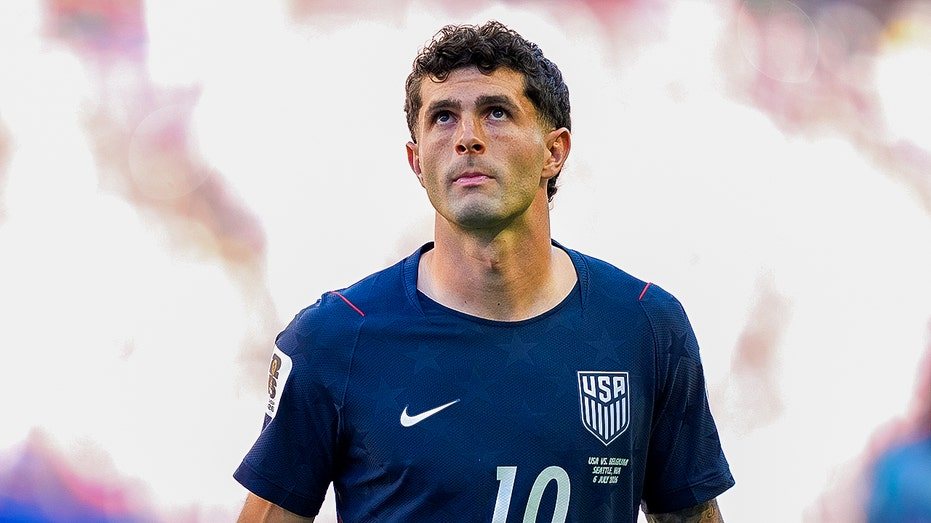
The U.S. Men's National Team's 4-1 loss to Belgium in the Round of 16 at the 2026 FIFA World Cup has sent shockwaves through American soccer. The defeat was not only lopsided but also revealed deep flaws in the team's performance, with former players, coaches, and analysts criticizing the squad's lack of effort, poor fundamentals, and costly mistakes. The loss ended the team's tournament run abruptly and has reignited debates about the state of U.S. soccer development.
In response, the team issued a statement in both English and Spanish, expressing gratitude to fans while acknowledging the need for improvement. The statement read in part: «Dear America, We believed. So did you. When we asked, 'Why not us?' you answered. You filled stadiums. You brought the game into your homes, bars, parks and communities across the country.» The message also addressed the broader structural issues within U.S. soccer, particularly the pay-to-play model that limits access for many young athletes.
The statement went on to say: «We'll learn from this. We'll get better to compete with the world's best. And we'll keep doing the work because that's what this team and this country expects of us. To every kid who watched this team and dreams of wearing this crest one day: keep playing or start playing today.» The team also pledged to work toward making soccer more accessible, including more places to play, better coaching, and affordable opportunities for all children.
The decision to release the statement in Spanish drew mixed reactions from fans, with some questioning the necessity. However, the move reflects the growing diversity of the U.S. soccer fan base and the team's effort to connect with a broader audience. The statement also touched on the need for systemic change, acknowledging that the current development system has not produced enough elite players capable of competing on the world stage.
Key players on the current roster, such as Malik Tillman and Folarin Balogun, were trained in European academies—Tillman at Bayern Munich and Balogun at Arsenal—highlighting a reliance on overseas development. This has led to calls for reform within U.S. Soccer's youth programs, which have been criticized for being expensive and exclusionary. Former USMNT head coach Jurgen Klinsmann has previously spoken about the disparities in player development between the U.S. and Europe.
The loss to Belgium was particularly painful because it came against a team that many considered a reasonable matchup. Belgium's world-class strikers exploited the U.S. defense, which included 38-year-old center back Tim Ream, a decision that was widely questioned before and after the match. The defeat has left fans and analysts wondering whether the program has improved or regressed compared to a decade ago.
Looking ahead, the U.S. Soccer Federation faces the daunting task of rebuilding the program from the ground up. The statement's acknowledgment of the need for more accessible youth soccer suggests a recognition that the current model is not working. However, meaningful change will require years of effort and investment. For now, the team's message to fans is one of gratitude and determination: «Country roads, take us home. We'll see you there.»

88