
Memorandum
- From
- Delaney Sawyer
- Date
- Filed
- Sports·6 min to read
- Re
NFL players enter NCAA transfer portal as court rulings reshape college eligibility
ReNFL players enter NCAA transfer portal as court rulings reshape college eligibility
Court rulings in Louisiana and other states are opening a path for NFL players to return to college football through the transfer portal, creating uncertainty for the NCAA and reshaping eligibility rules.
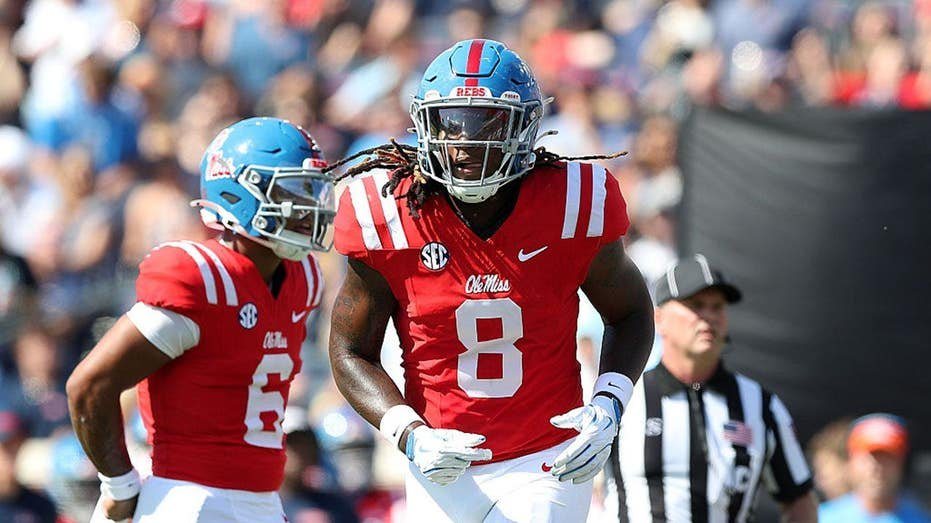
As the college football season prepares to kick off next weekend, an unusual development is unfolding across the sport: NFL players are being granted the opportunity to enter the NCAA transfer portal and potentially rejoin college rosters. The movement stems from a series of court rulings that have challenged the NCAA's eligibility guidelines, leaving coaches, administrators, and fans scrambling to understand what comes next.
The situation traces back to the NCAA's decision to establish new eligibility rules that allow athletes five years to play five seasons of college sports. However, the organization chose not to apply these rules to the 2022 recruiting class. That decision left players who declared for professional drafts under the impression that they had exhausted their collegiate eligibility, even though the new guidelines would have given them additional time under different circumstances.
On Thursday, former Ole Miss tight end Dae'Quan Wright reportedly became the first player to enter the NCAA transfer portal while under contract with an NFL team. Wright is currently participating in training camp with the Cleveland Browns after initially signing a free-agent contract with the Philadelphia Eagles. His case is expected to be the first of many as athletes across the country seek similar relief through the courts.
The legal backdrop for these moves includes a temporary restraining order issued by Judge Will Jorden of the 19th Judicial District Court in Baton Rouge, Louisiana. The order, granted in a lawsuit against the NCAA, allows plaintiffs to use a makeshift transfer portal that will remain open for seven days. Similar cases have emerged in states from California to South Carolina, with most rulings favoring athletes who are suing the NCAA over the eligibility guidelines enacted in June.
In one notable ruling, Chancellor I'Ashea Myles of a Tennessee court denied an NCAA appeal and wrote that the organization has applied its rules inconsistently and arbitrarily, applying certain eligibility rules to some athletes but not to others. That language has become increasingly common in rulings across the country, prompting more lawsuits from athletes hoping to receive similar relief while their underlying cases move through the legal system.
Former LSU defensive lineman Jack Pyburn is among the players now seeking to take advantage of these rulings. Pyburn is currently battling for a spot on the Tampa Bay Buccaneers' 53-man roster, and his case is unfolding in the same city where LSU is based. The convergence of NFL training camps and college football's preseason has created a unique moment in which professional players are weighing their options for a return to the collegiate level.
Colleges are now navigating a complicated landscape, trying to balance the rules they voted to enact with a legal system that could allow them to add experienced players to their rosters. Schools are not permitted to file lawsuits on behalf of athletes, but the current trajectory suggests that a school could eventually sue its own conference over enforcement of rules pertaining to intra-conference transfers. The SEC, for example, has a rule that does not allow athletes to transfer within the conference outside of the portal period, which raises questions about how players like Wright would be handled if they sought to return to a school in that conference.
The court orders shielding schools from NCAA punishment are another layer of complexity. If a school adds one of these players under the protection of a court order, it is not at risk of NCAA punishment for doing so. However, athletes who have received money during the NFL process may face an additional hurdle: that money may have to be repaid before they can take the field again in college.
The situation has also drawn attention to players like Arion Carter, a Tennessee linebacker who declared for the NFL Draft but withdrew his name from consideration after discovering the potential implications for his eligibility. Carter's case highlights the confusion that has spread through college football as players, coaches, and administrators try to make sense of the rapidly changing legal environment.
The NCAA has shown no signs of surrendering, and the eligibility lawsuits for the 2022 class have turned into an all-out legal war. The organization is fighting in courtrooms across America, but the growing number of rulings against it suggests that the landscape of college athletics may be permanently altered. For now, the transfer portal has become an unexpected gateway for professional players seeking one more season at the collegiate level, and the coming weeks are likely to bring more developments as the season gets underway.

49