Memorandum
- From
- Connor Quincy via fox - Most Popular
- Date
- Filed
- Sports·4 min to read
- Re
NBA tests single free throw rule at Summer League to speed up game
ReNBA tests single free throw rule at Summer League to speed up game
The NBA is experimenting with a one free throw rule at this year's Summer League, where any foul that would normally result in multiple free throws will instead yield a single attempt worth the same total points, except in the final two minutes of regulation and overtime.
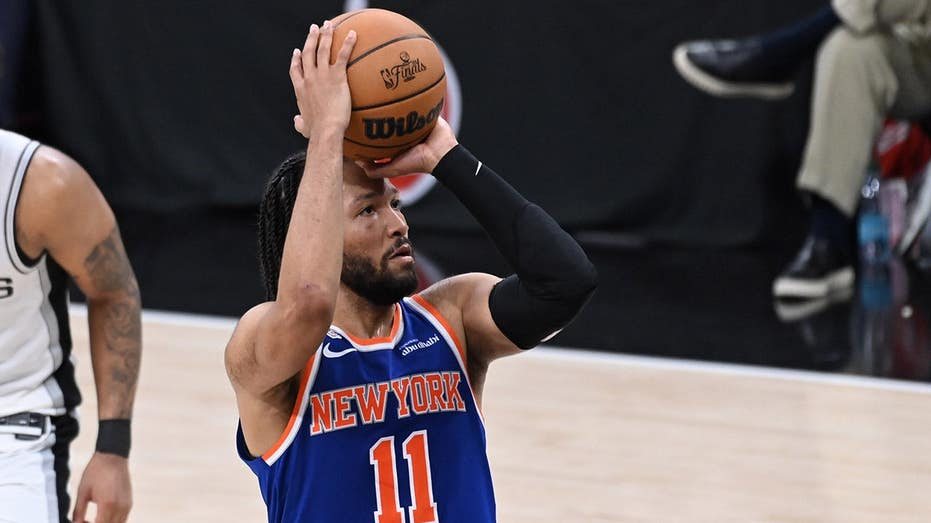
The NBA is testing a significant rule change at this year's Summer League, aiming to accelerate the pace of play by replacing traditional multi-shot free throws with a single attempt worth the same number of points. Announced Thursday, the experiment will apply to all Summer League events in Salt Lake City, Northern California, and Las Vegas. Under the new rule, any foul that would typically result in one, two, or three free throws will instead be resolved with a single free throw attempt, with that attempt valued at the total points of the original foul. For example, a three-point shooting foul would be worth three points on one shot.
The rule does not apply to the entire game. Standard free throw procedures—two shots for a two-shot foul, three for a three-shot foul—will remain in effect during the last two minutes of the fourth quarter and throughout all overtime periods. This exception is designed to preserve the strategic tension of close games, where free throws often play a decisive role. The NBA's G League has used the one free throw rule since the 2019-20 season, providing a testing ground for the concept before its introduction at the Summer League level.
The Summer League has historically served as a laboratory for potential NBA rule changes. Several innovations that began in the G League or Summer League have since been adopted by the NBA, including the coach's challenge, the resetting of the 24-second shot clock to 14 seconds after offensive rebounds, and the one-shot award for a transition take foul—a rule that penalizes defenders who intentionally foul to stop a fast break. The one free throw rule is the latest experiment aimed at reducing dead time and maintaining game flow, a priority for league officials who have noted that free throws can slow down the action and reduce viewer engagement.
NBA Commissioner Adam Silver has been a vocal advocate for speeding up the game. He has openly supported the G League's use of 10-minute quarters, a format that the NBA has tested in preseason games and exhibition contests prior to the 2020 bubble. While the one free throw rule has not yet been proposed for regular-season NBA games, its success at the Summer League could influence future discussions. The league has not set a timeline for a potential broader rollout, but the experiment will be closely watched by teams, players, and fans.
The Summer League begins on July 9, with games scheduled across three venues. The rule change is expected to reduce the average length of games, which have been a focus of league efforts to improve the fan experience. In recent years, the NBA has also implemented rules to speed up inbound passes and limit timeouts, reflecting a broader trend across professional sports to shorten game durations. The one free throw rule represents another step in that direction, though its impact on game strategy and player performance remains to be seen.
Critics of the change argue that free throws are a fundamental part of basketball, rewarding teams for drawing fouls and testing players' composure under pressure. Supporters counter that the current system can be tedious, with multiple shots often extending game time without adding excitement. The experiment at the Summer League will provide data on how the rule affects scoring, foul rates, and game pace, which the NBA will likely use to evaluate its potential adoption at higher levels. For now, the league is taking a cautious approach, limiting the rule to developmental leagues and summer competitions.

97