Memorandum
- From
- Caroline Mercer via RawStory - World News
- Date
- Filed
- Sports·6 min to read
- Re
Markwayne Mullin Criticized for Gloating Over Iran World Cup Exit
ReMarkwayne Mullin Criticized for Gloating Over Iran World Cup Exit
Department of Homeland Security Secretary Markwayne Mullin faced backlash for celebrating Iran's elimination from the 2026 World Cup, with critics calling his comments unsportsmanlike and damaging to U.S. diplomacy amid ongoing negotiations with Iran.
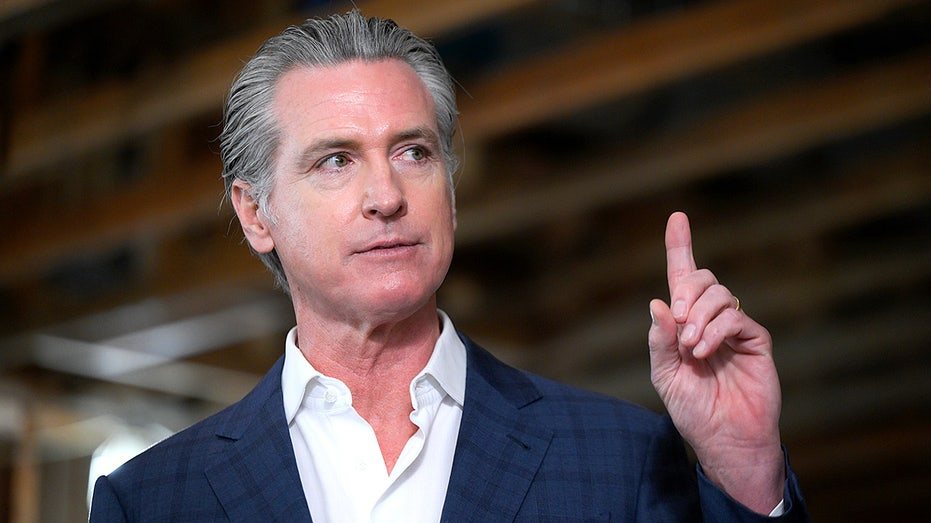
Department of Homeland Security Secretary Markwayne Mullin has drawn sharp criticism for openly celebrating the elimination of Iran's national soccer team from the 2026 World Cup, with political analysts and commentators accusing him of unsportsmanlike conduct and poor diplomacy. In comments reported by Politico, Mullin, a former U.S. senator from Oklahoma, boasted about the team's departure, saying he was "so happy" when the U.S. government revoked visas for the Iranian squad and forced them to leave the country. He even suggested he sang or danced in celebration.
The remarks came after the U.S. men's team advanced in the tournament, capturing national attention with its unexpected success. However, Mullin's focus on Iran's exit rather than his own team's achievements struck many as petty and counterproductive. Political analyst Zeeshan Aleem, writing for MS NOW, described Mullin's behavior as "classless" and argued that it undermined broader U.S. diplomatic efforts. Aleem noted that the Trump administration had made life difficult for the Iranian team even before the tournament began, denying visas to support staff, forcing the team to relocate its training base from Arizona to Mexico, and cutting into their preparation time. Despite these obstacles, Iran nearly advanced to the knockout stage, recording three draws in group play.
Aleem pointed out that Mullin had an opportunity to demonstrate grace or remain silent, but instead chose to gloat. This, he argued, reinforced the narrative that the U.S. views the Iranian team as a proxy for the Iranian government, rather than as athletes competing in an international sporting event. The comments come at a sensitive time, as the U.S. is engaged in negotiations with Iran to end a war that has strained the American economy and left the U.S. with limited leverage. Aleem questioned why a prominent Trump official would celebrate Iran's World Cup exit when the tournament offered a chance to use sports as a tool for soft diplomacy. "A long-term thinker might have used the tournament to show Iran that the U.S. could be fair-minded," Aleem wrote. "Instead, the Trump administration confirmed countless Iranians’ suspicions that the U.S. is treacherous and untrustworthy."
The controversy over Mullin's comments is part of a broader pattern of tension between the U.S. and Iran, which has escalated in recent months. The war with Iran has forced the Pentagon to reconsider its decades-old military strategy in the Middle East, including the positioning of bases within range of Iranian missiles and drones. According to a Wall Street Journal report, the Pentagon is weighing whether to disperse some capabilities and reassess its reliance on large, permanent installations in the Gulf, which have become vulnerable to precision attacks. During Operation Epic Fury, Iran launched repeated missile and drone strikes against major U.S. bases, including Naval Support Activity Bahrain, Al Udeid Air Base in Qatar, and Al Dhafra Air Base in the United Arab Emirates. While casualties were limited, the attacks demonstrated that virtually every major American operating hub in the region is now within range of Iranian weapons.
Retired Navy Rear Adm. Mark Montgomery told Fox News Digital that the military has already begun relying more heavily on alternate command-and-control locations and rotating forces rather than concentrating capabilities at a handful of installations close to Iran. "We're not relying on them in the same way that we did before the war," Montgomery said. "I think we are going to reposition these forces." The shift reflects a recognition that the U.S. military's traditional basing model, which prioritized proximity to potential crises, may no longer be sustainable in an era of advanced missile and drone technology.
Mullin's comments have also reignited debate about the role of sports in international relations. The World Cup is one of the most-watched global events, offering countries a platform to build goodwill and foster cultural exchange. By celebrating Iran's elimination, critics argue, Mullin squandered an opportunity to project a more positive image of the U.S. on the world stage. Instead, his remarks may have provided ammunition to hardliners in Iran who argue that the U.S. cannot be trusted. As Aleem put it, "It’s a reminder of how Mullin’s comments are not just unsportsmanlike, they’re bad diplomacy."
The White House has not commented on Mullin's remarks, but the incident has drawn attention to the administration's handling of the Iran conflict and its broader foreign policy approach. With the U.S. economy under strain from the war and negotiations at a critical juncture, some analysts suggest that the administration would be better served by focusing on de-escalation rather than inflammatory rhetoric. For now, Mullin's celebration of Iran's World Cup exit serves as a stark example of how political and diplomatic considerations can intersect with the world of sports, often to the detriment of both.

88