
Memorandum
- From
- Derek Weston via FOX News
- Date
- Filed
- Sports·4 min to read
- Re
Egypt Coach Hossam Hassan Waves Palestinian Flag After World Cup Win Over Australia
ReEgypt Coach Hossam Hassan Waves Palestinian Flag After World Cup Win Over Australia
Egypt's national team manager Hossam Hassan waved a Palestinian flag on the pitch after his team's penalty-kick victory over Australia in the World Cup, dedicating the win to the Palestinian people and sparking controversy over political displays at the tournament.
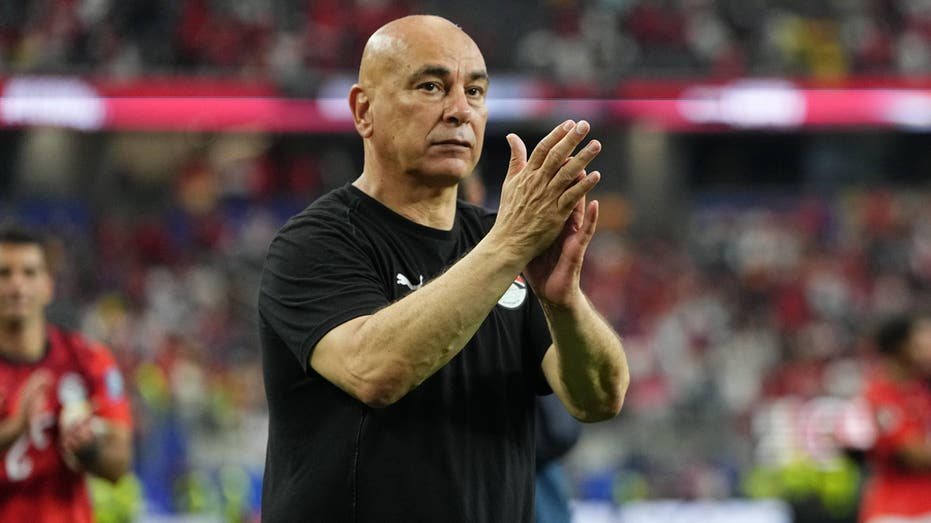
Egypt national team manager Hossam Hassan sparked controversy after his team's World Cup victory over Australia by waving a Palestinian flag on the pitch and dedicating the win to the Palestinian people. The incident, which occurred following Egypt's penalty-kick triumph, quickly went viral on social media, with chants of «Free, free Palestine!» audible in the background.
In a post-match interview, Hassan made his intentions clear, stating, «My heart and soul are with them. I dedicate this victory to the Palestinians. May Allah grant them victory and have mercy on their martyrs.» The gesture drew attention because Palestine is not participating in the World Cup and has no official connection to the tournament, raising questions about the appropriateness of political displays at international sporting events.
The incident has reignited debate over what appears to be a double standard in the enforcement of FIFA's rules regarding political symbols. Earlier in the tournament, Israeli flags were confiscated from spectators at an Iran match, while Palestinian flags have been seen multiple times in the stands without similar action. This inconsistency has been highlighted by observers who note that FIFA has yet to make a public statement or respond to media inquiries about the Hassan incident.
Hassan's actions come amid a broader context of political tensions in the region. The Egyptian coach's decision to use the World Cup stage for a political statement has drawn criticism from those who argue that sports should remain apolitical. However, supporters of the gesture see it as a form of solidarity with Palestinians amid ongoing conflicts. The Egyptian Football Association has not issued an official comment on Hassan's conduct, and FIFA has remained silent on the matter, leaving the controversy unresolved.
Egypt's victory over Australia secured their place in the round of 16, where they are scheduled to face Lionel Messi and Argentina in Atlanta on Tuesday. The match is expected to draw significant attention, both for the sporting contest and for the political undercurrents that Hassan's flag-waving has introduced. The Egyptian team will likely face questions about the incident in pre-match press conferences, adding another layer of scrutiny to their campaign.
The issue of political symbols at the World Cup is not new. FIFA's regulations prohibit political, religious, and commercial messages at matches, but enforcement has been inconsistent. The governing body has faced criticism in the past for its handling of such incidents, and the Hassan case is likely to intensify calls for clearer guidelines and more uniform enforcement. As the tournament progresses, the spotlight on political displays may grow, particularly if other players or coaches follow Hassan's example.
For now, Egypt's focus remains on their upcoming match against Argentina, one of the tournament favorites. The team will need to channel the energy from their dramatic win over Australia into a disciplined performance against a star-studded Argentine side. Whether the political controversy surrounding Hassan will serve as a distraction or a motivator remains to be seen, but it has undoubtedly added a layer of complexity to Egypt's World Cup journey.

114