Memorandum
- From
- Caroline Mercer via Forbes
- Date
- Filed
- Sports·4 min to read
- Re
Donovan and Johnson Feud Highlights Pressure on Former Players Turned Pundits
ReDonovan and Johnson Feud Highlights Pressure on Former Players Turned Pundits
A public dispute between former U.S. soccer teammates Landon Donovan and Eddie Johnson has exposed the tensions that come with former players moving into broadcasting, where offhand comments can quickly become headlines.
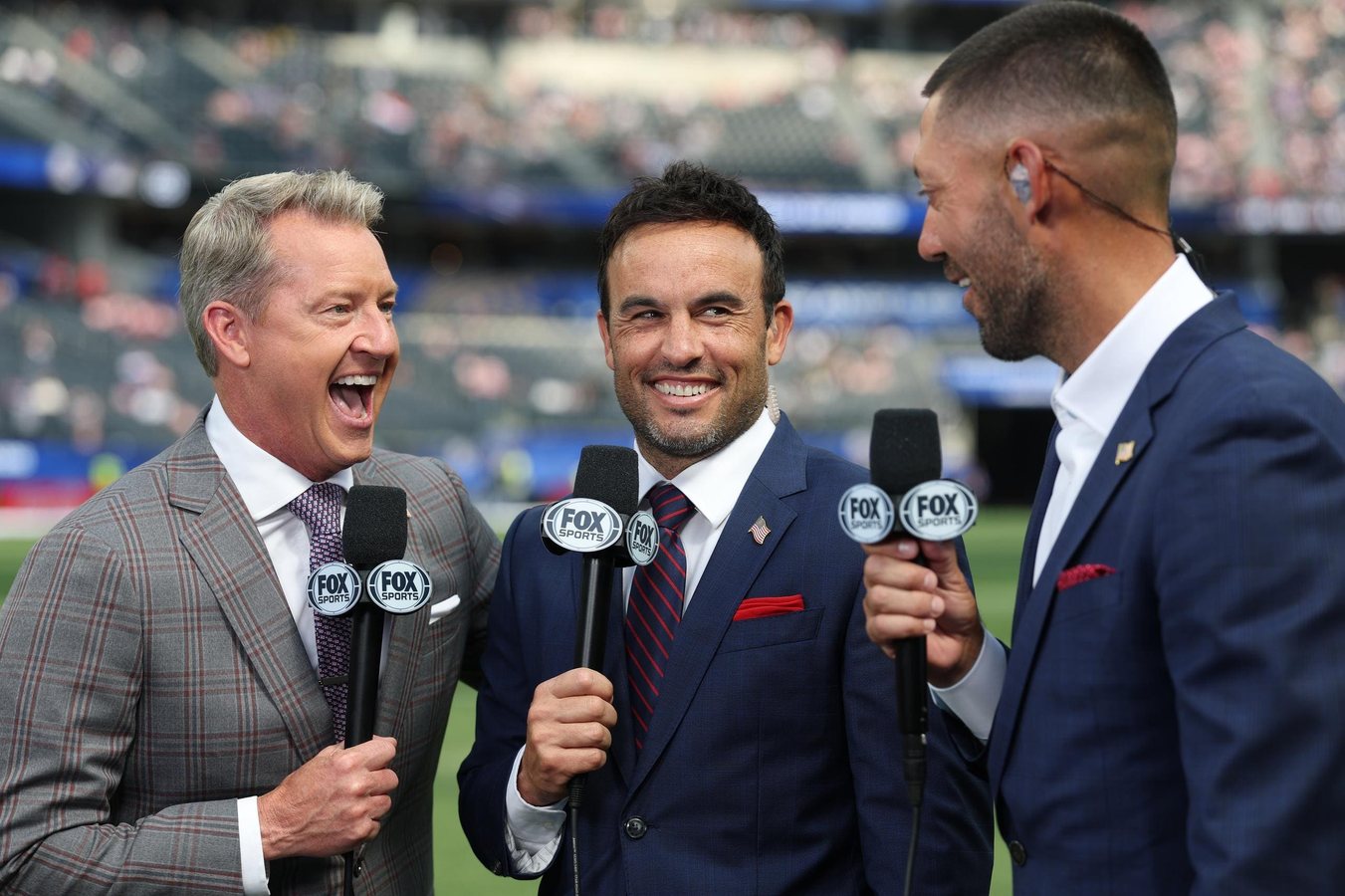
A public feud between former United States men's national team teammates Landon Donovan and Eddie Johnson has put a spotlight on the pressures facing former soccer players who move into punditry, where casual remarks can quickly escalate into wider disputes. The rift began when Donovan, now a prominent television analyst, said that Americans love to overhype young players, a comment that Johnson took issue with publicly.
The exchange between the two former teammates illustrates how the transition from the pitch to the studio carries its own set of challenges. Players who spent their careers focused on performance must now navigate a role built on opinion, where every assessment is subject to instant scrutiny from fans, former colleagues and the players themselves. Donovan's remark about overhyping young talent was framed as commentary on the broader culture of American soccer, but it landed as a personal critique for Johnson, who responded in public rather than privately.
For former players, the move into media often comes with an expectation of authority. Having competed at the highest level, they are positioned as experts whose judgments carry weight. That authority, however, can cut both ways. When a pundit criticizes current players or the culture around the game, the reaction can be swift and personal, particularly when the target is a former teammate or a younger player still building a career. The Donovan-Johnson dispute is a case in point: a general observation about hype became a flashpoint between two people who once shared a locker room.
The episode also reflects a broader tension in American soccer, where the development and promotion of young players has become a central theme. Donovan's comment touched on a familiar debate about whether the U.S. system and its media ecosystem build up prospects too quickly, only to turn on them when expectations are not met. For analysts, weighing in on that debate is part of the job, but the line between analysis and criticism can be thin, especially when the analyst is a former star whose own career is part of the story.
Johnson's public response underscores how former players are now part of a media environment in which reactions are immediate and visible. Social media and round-the-clock coverage mean that a comment made on a broadcast or podcast can be clipped, shared and debated within hours. For pundits, that speed creates a new kind of pressure: the need to be thoughtful and precise, knowing that remarks may be received differently than intended. For former teammates, it can also strain relationships that were formed over years of shared competition.
The dispute has not been resolved publicly, and neither Donovan nor Johnson has offered a detailed account of where things stand. What is clear is that the role of the former-player pundit is more complicated than it once was. The job requires not only tactical insight and on-air presence but also an awareness of how comments will land with players, fans and the broader soccer community. For Donovan and Johnson, a disagreement that began with a remark about hype has become a public lesson in the challenges of speaking about the game from the other side of the microphone.

5