
Memorandum
- From
- Connor Quincy via fox - Most Popular
- Date
- Filed
- Sports·6 min to read
- Re
British PM Starmer Intervened With FIFA Over England Match Timing After Trump Criticism
ReBritish PM Starmer Intervened With FIFA Over England Match Timing After Trump Criticism
British Prime Minister Keir Starmer reportedly contacted FIFA to prevent a match timing change for England's game against Mexico, sparking comparisons to President Trump's earlier intervention for the USMNT.
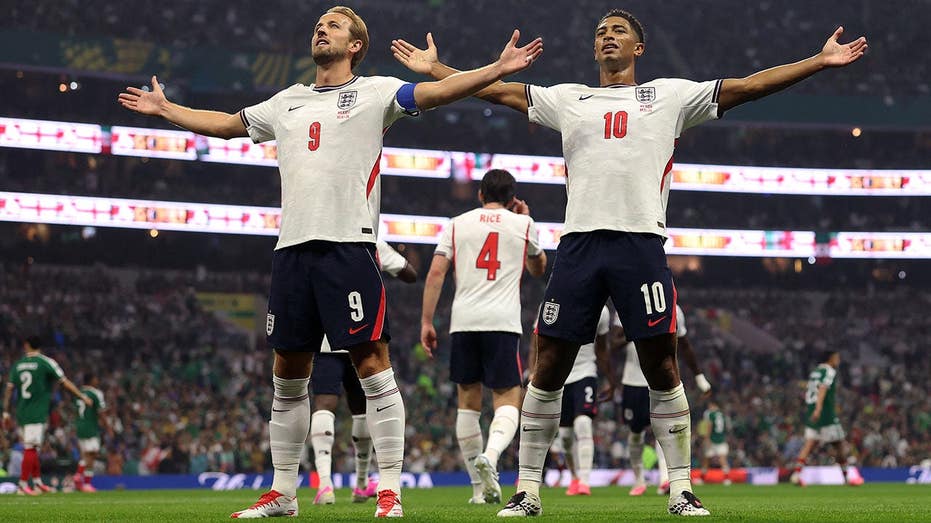
British Prime Minister Keir Starmer directly intervened with FIFA to prevent a timing change for England's international match against Mexico, according to a report from The Sun. The intervention came just days after President Donald Trump faced widespread criticism for contacting FIFA regarding a red card suspension for U.S. striker Folarin Balogun. The revelation has drawn attention to what critics describe as a double standard in reactions to political involvement in soccer governance.
The England-Mexico match, played at the iconic Azteca Stadium in Mexico City, was originally scheduled for an evening kickoff. However, Mexican officials had pushed for the game to be moved earlier in the day due to forecasts of severe thunderstorms. According to a source cited by The Sun, Starmer opposed the change, suspecting that the real motive was to disrupt England's preparation by reducing their time to adjust to the high altitude of Mexico City. The source stated, «The Mexicans were really talking up the storm and were pressing to move the game. But Keir was having none of it and suspected they were trying to derail the England preparations by giving less time to adapt to the altitude, so he put his foot down.»
Starmer's intervention succeeded, and the match remained at its original time. England went on to win a hard-fought 3-2 victory over Mexico in what was described as an instant classic. The result keeps England in contention for the tournament, though the political maneuver has raised questions about the consistency of outrage over political involvement in FIFA decisions.
The incident follows a similar controversy involving President Trump. Earlier this month, Trump reportedly called FIFA leadership to question a red card issued to Balogun during a U.S. Men's National Team match. FIFA subsequently suspended the red card punishment, allowing Balogun to play in the next game. The decision sparked fury from European soccer federations, including UEFA, and from media figures such as British host Piers Morgan, who accused the USMNT of cheating. Critics argued that a sitting president should not interfere with the sport's governing body.
However, supporters of the USMNT and some commentators have pointed out that FIFA has a history of postponing red card suspensions for high-profile players. Notably, Cristiano Ronaldo's three-match red card ban was suspended by FIFA ahead of the World Cup under the same rule used in Balogun's case. UEFA, which criticized the Balogun decision, did not object to the Ronaldo precedent. The inconsistency has fueled accusations of selective outrage.
The Starmer revelation adds another layer to the debate. While Trump's call was widely condemned as an improper political intervention, Starmer's direct involvement in match logistics has received comparatively little criticism from the same quarters. Piers Morgan, who was particularly vocal about the Trump-FIFA contact, has not commented on Starmer's actions. European fans and federations, who were quick to denounce the Balogun reprieve, have remained largely silent on the British prime minister's move.
FIFA has not publicly commented on either intervention. The governing body's rules allow for discretion in certain disciplinary matters, but the involvement of political leaders in such decisions is unusual. The Balogun case involved a disciplinary suspension, while the Starmer case involved match scheduling, but both represent instances where political figures sought to influence FIFA's operations to benefit their national teams.
The England-Mexico match itself was a high-stakes encounter. Mexico, playing at home, was eager to secure a result against a strong England side. The altitude of Mexico City, which sits over 7,000 feet above sea level, is a well-known challenge for visiting teams. Moving the match earlier in the day would have given England less time to acclimate, potentially affecting player performance. Starmer's intervention ensured that England had the full preparation time they had planned for.
The controversy highlights the growing intersection of politics and international soccer. As the sport's global profile rises, national leaders are increasingly willing to use their influence to support their teams. Whether this trend is beneficial or harmful to the integrity of the game remains a matter of debate. For now, the focus is on the apparent double standard in how such interventions are received.
Should England go on to win the tournament, some may argue that their path was aided by political interference. However, the team's performance on the pitch, including their victory over Mexico, demonstrates their competitive strength. The broader implications for FIFA's governance and the role of political leaders in sports will likely continue to be discussed in the coming weeks.

80