Memorandum
- From
- Caroline Mercer via fox - Most Popular
- Date
- Filed
- Sports·5 min to read
- Re
1994 US World Cup veteran sees soccer growth opportunity if current team advances
Re1994 US World Cup veteran sees soccer growth opportunity if current team advances
John Harkes, a member of the 1994 US World Cup team, reflects on the potential for soccer growth in America if the current squad continues its success, drawing parallels between the historic 1994 tournament and the present day.
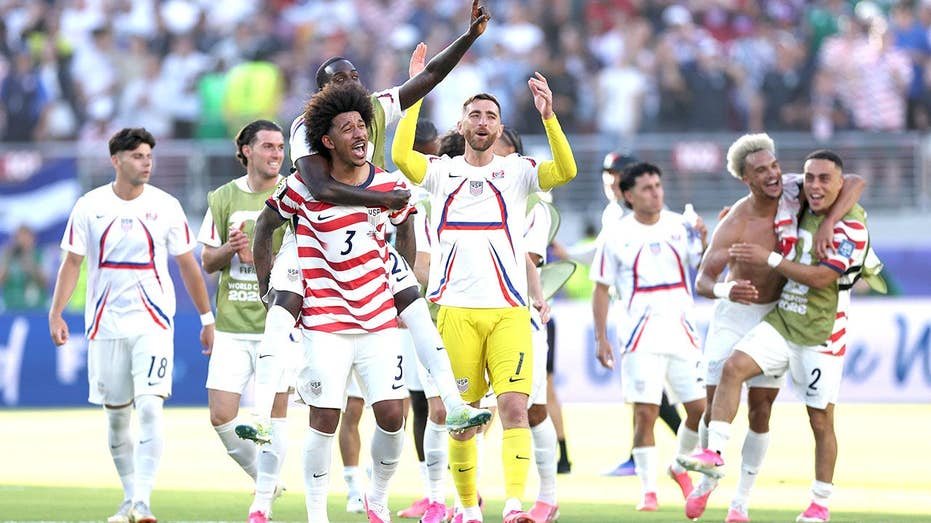
The United States men's national team stands on the brink of a historic achievement as it prepares for a crucial World Cup match on home soil. A victory would propel the team into the quarterfinals for the first time since 2002, placing it among the elite eight nations still competing for the sport's most coveted trophy. For John Harkes, a former midfielder who helped the US reach the knockout stage during the 1994 World Cup, this moment represents a full-circle opportunity to build on the legacy of that transformative tournament.
Harkes, now a technical director at McLean Youth Soccer in Virginia and an assistant coach for the US under-15 team, described the emotional weight of witnessing the current team's journey. He attended the round-of-32 match with his family and felt the familiar surge of pride during the national anthem. «You look back on the years that we played and what we contributed to the game back in 1990 and '94. It was massive being here,» Harkes told Fox News Digital. «Thirty-two years on now, it's really important for us to tell the stories because these are new audiences, and they need to know the history of the game.»
The 1994 World Cup, hosted by the United States, is widely credited with igniting a surge in soccer's popularity across the country. The US team's performance, including a memorable victory over Colombia that secured a spot in the knockout stage, captivated a nation that had traditionally been lukewarm toward the sport. Harkes believes the current team has the potential to replicate that impact. «When you do something like that, that wakes up a nation,» he said, referring to the 1994 team's achievements and the current squad's recent 2-0 win over Bosnia and Herzegovina.
Harkes acknowledged the added pressure that comes with trying to grow the game while competing at the highest level. He said the 1994 team accepted that responsibility and channeled it into their performance on the field. The current generation of US players, many of whom compete for top clubs in Europe, now carries that same burden. «We're always trying to tell those stories the right way and have those platforms. The best way to do that is to win,» Harkes said. «And now we have guys that are competing and playing all over the world with great talent, great skill, and we're seeing them now.»
Beyond the professional game, Harkes is deeply invested in the grassroots development of soccer in the United States. He emphasized the importance of coaching as a form of mentorship, particularly for young players. «We are building platforms for these kids to not just have fun and compete but to have life skills. We need to be mentors,» he said. Harkes, who is also part of the «Yes, Coach!» initiative, stressed that coaches must prioritize the well-being and development of players over a win-at-all-costs mentality. «We see too many coaches that want a win-at-all-cost mentality. I see them yelling from the sideline at kids, and kids are second-guessing everything. They're not even having fun,» he said. «It's supposed to be a sport. It's supposed to be for fun, for them to be together as a team, to have camaraderie, to understand what sacrifice means for the player next to you.»
The 1994 World Cup remains a benchmark for soccer's growth in the United States. The tournament set attendance records and laid the foundation for Major League Soccer, which launched two years later. Harkes described that summer as «incredible» and «unprecedented.» He sees the current moment as an opportunity to build on that foundation. «We've created so much passion around the men's game. These stories are now preserved from the past. People know who they are. We carry that forward into the game today and what they're doing on the field,» he said. «It's just a perfect match. It really is. So a lot of success is coming out of that.»
As the US team prepares for its next match, Harkes urged fans to continue supporting the squad. He believes the team's success on the field will drive further interest in soccer at all levels, from youth leagues to professional clubs. «Let's keep supporting our U.S. team and push them on as far as they can go,» he said. For Harkes, the parallels between 1994 and today are clear: a strong performance by the national team can inspire a new generation of players and fans, ensuring that soccer's footprint in the United States continues to expand.

83