
Memorandum
- From
- Connor Quincy via fox - Opinion
- Date
- Filed
- Society·6 min to read
- Re
New Rule Tightens Visa Compliance for Foreign Students in US
ReNew Rule Tightens Visa Compliance for Foreign Students in US
The Trump administration has finalized an administrative rule requiring foreign students to comply strictly with their visa terms, addressing concerns about overstays and low academic engagement.
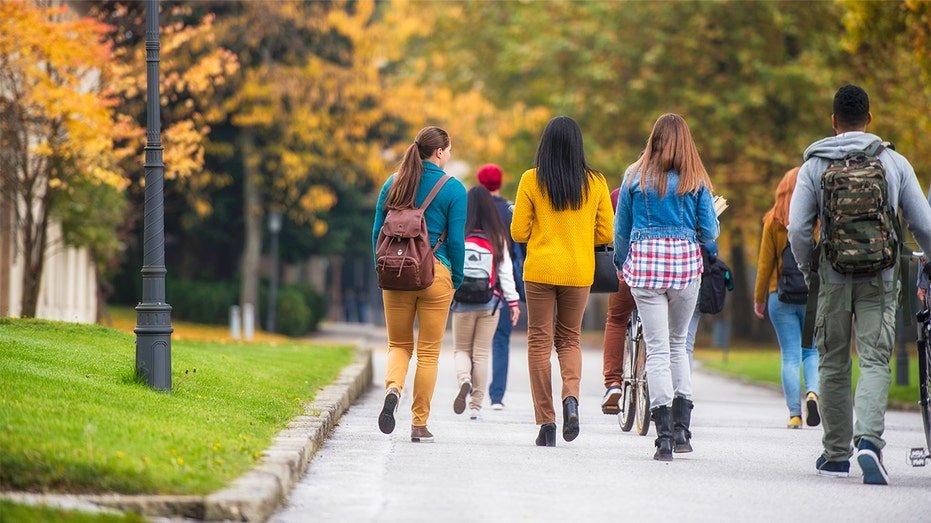
The Trump administration has quietly finalized an administrative rule that tightens compliance requirements for foreign students holding F-1 and J-1 visas, marking a significant shift in how the United States manages its student visa program. The rule, which takes effect through the Department of Homeland Security, aims to close loopholes that have allowed some students to remain in the country for years without completing their degrees or returning home as originally pledged.
Under current practices, student visa holders are granted what is known as «duration of status,» meaning they may stay as long as they remain enrolled full time. Many students also take advantage of Optional Practical Training, or OPT, which permits them to work for up to one year — or three years for those in STEM fields — while still using their student visa. Critics argue that the combination of duration of status and OPT incentivizes students to delay graduation and remain in the country indefinitely, often working illegally or filing frivolous asylum claims to avoid deportation.
The new rule requires foreign students to complete their studies within a reasonable timeframe and to depart the United States upon graduation. Those who wish to pursue additional degrees must return to their home countries and apply for a new visa from a U.S. consulate, where officers will evaluate their intent to study and return home. This provision addresses what the rule’s supporters describe as a «gravy train» for the education-migration complex, where universities and related entities profit from long-term tuition payments without ensuring that students abide by the terms of their visas.
Simon Hankinson, a former consular officer and senior research fellow at the Center for Immigration Studies, wrote in an opinion piece published by Fox News that the rule is a «quiet win for accountability» in the visa system. Hankinson, who conducted thousands of student visa interviews across Africa, Asia, and Europe, noted that not all foreign students are top-tier talents. Some, he said, attend community colleges while working for relatives, while others engage in protests against the United States instead of focusing on their studies. «America doesn’t need to import this type of low-motivation student,» he wrote. The rule, he argued, ensures that students who come to the United States do so with the genuine intention of studying and returning home.
Administrative rules govern how existing laws are implemented, and this one does not require congressional approval. It has drawn criticism from advocacy groups and educational institutions that rely heavily on international student tuition. According to data from the Institute of International Education, more than one million international students were enrolled in U.S. colleges and universities during the 2023-2024 academic year, contributing approximately $44 billion to the economy. Opponents of the new rule contend that it will discourage talented students from choosing the United States as a study destination and may harm academic research and innovation.
However, supporters point to a 5.7 percent unemployment rate for recent American college graduates — higher than the national average — as evidence that domestic workers should be prioritized. They argue that foreign students on OPT are often paid less because employers are not required to cover Social Security and Medicare contributions, creating a discount of up to 15 percent for hiring foreign labor over American workers. The rule is seen as a step toward leveling the playing field.
The new rule also addresses the issue of students who are removed from the Student and Exchange Visitor Information System (SEVIS) for failing to attend school. Many of these individuals, the rule’s authors note, remain in the country by filing asylum claims that are often baseless. By requiring students to comply with visa conditions from the outset, the administration hopes to reduce the backlog of such cases and restore integrity to the immigration system.
Simon Hankinson, who served as a consular officer for two decades, emphasized that the United States remains open to legitimate students, especially those with advanced degrees in science, technology, engineering, and mathematics. «America welcomes legitimate students,» he wrote. «We will always have room for the most talented and entrepreneurial to stay. But our universities are not there to facilitate mass economic migration.»
The rule has been met with mixed reactions on Capitol Hill. Senator Marco Rubio has pushed back against concerns from India, a major source of foreign students, asserting that U.S. visa policy must remain «America First.» The administration has also ordered green card applicants to leave the United States and apply from their home countries, signaling a broader crackdown on immigration pathways that go beyond student visas.
As the academic year approaches, universities and international student offices are expected to issue guidance to help foreign students understand the new requirements. While the long-term impact remains uncertain, the rule marks a clear departure from the more permissive approach of previous administrations. For now, foreign students planning to study in the United States will need to demonstrate not only academic credentials and financial solvency but also a clear plan to return home once their studies are complete.