Memorandum
- From
- Delaney Sawyer via fox - U.S.
- Date
- Filed
- Society·5 min to read
- Re
New Mexico Supreme Court blocks hospital confession in newborn death case
ReNew Mexico Supreme Court blocks hospital confession in newborn death case
The New Mexico Supreme Court ruled that Alexee Trevizo's hospital-room confession to hiding her newborn in a trash can cannot be used in her murder trial, citing doctor-patient confidentiality.
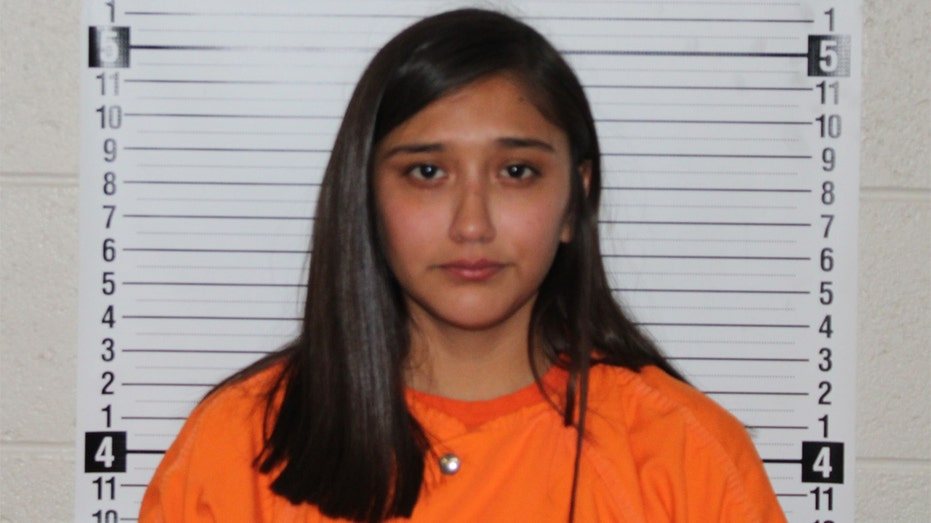
The New Mexico Supreme Court has ruled that a woman's hospital-room confession to hiding her newborn baby in a trash can cannot be used as evidence in her murder trial, citing doctor-patient confidentiality.
Alexee Trevizo, now 22, was 19 when she was arrested and charged with first-degree murder and tampering with evidence in 2023. Prosecutors had relied on police body camera footage in which she admitted to hospital staff and her mother that she placed the infant in a trash bag after giving birth in a bathroom at Artesia General Hospital.
In a unanimous decision, the state's highest court said all statements Trevizo made in the hospital room while police officers were present are protected under physician-patient privilege and cannot be used at trial. The court also upheld the Fifth Judicial District Court's earlier ruling that surveillance video from inside the hospital and police body camera footage are not admissible.
Trevizo arrived at Artesia General Hospital on Jan. 27, 2023, with severe back pain. Hospital staff ran tests and gave her morphine while they waited for results. She repeatedly denied being pregnant before leaving her room and heading to the bathroom, where her mother followed her and knocked on the locked door for about 20 minutes. A nurse was about to unlock the door when Trevizo opened it, and hospital staff found her cleaning up a large amount of blood on the floor.
Blood was also splattered on the bathroom wall, and hospital workers initially suspected it came from an attempted termination of the pregnancy. A janitor who was asked to clean the bathroom noticed that the trash bag felt heavier than expected and discovered the newborn, who was not breathing, hidden inside. The janitor told nurses, and police were notified as required by law.
The body camera recording shows Trevizo's doctor entering the room with two officers and telling Trevizo and her mother that a dead newborn had been found in the trash and that the discovery had to be reported. Trevizo is heard saying, «I'm sorry, it came out of me. I didn't know what to do.» She said she was scared and claimed the baby «was not crying or nothing.»
When Trevizo's mother asked how big the baby was, a nurse said the infant appeared to be full term. Trevizo responded that «nothing was crying.» Her mother then asked, «Where did you put the baby at? Tell me the truth. You put it in the bag?» Trevizo confirmed that she put the newborn in the trash bag.
Police had not read Trevizo her Miranda rights before the confession, but prosecutors argued that this was not necessary because she was speaking to hospital staff in front of officers rather than directly to police. The Supreme Court rejected that argument by ruling the statements inadmissible on doctor-patient confidentiality grounds.
Justice Michael E. Vigil wrote the court's opinion, describing how Dr. Vaskas, without authorization, brought two armed officers into Trevizo's room while she was still receiving medical care. The court said the doctor disclosed Trevizo's personal medical information to everyone in the room without warning and that Trevizo was not given an opportunity to ask anyone to leave. Given her «compromised medical condition,» the justices said they could not conclude that her waiver of physician-patient privilege was voluntary.
The New Mexico Office of the Medical Investigator determined the newborn died by homicide. The autopsy found that the child died from entrapment after being placed and tied inside a plastic trash bag beneath bloody paper towels and other garbage. The report also found air in the child's lungs and evidence of a hemorrhage consistent with hypoxia.
Trevizo has maintained that the baby was stillborn and that she did not realize she was pregnant until she gave birth in the hospital bathroom.
The district attorney's office filed charges against Trevizo based on the conversation captured on body camera footage and on hospital security video showing her entering and later leaving the bathroom. With that evidence now excluded, prosecutors can no longer use it in her murder case.
After her arrest on May 10, 2023, Trevizo was released from jail and allowed to finish her senior year of high school without an ankle monitor or house arrest while waiting for trial. She attended prom and planned to walk at her high school graduation, but the school asked her not to attend. She later enrolled at New Mexico State University, where a student petition seeking to ban her from campus gathered more than 30,000 signatures.