Memorandum
- From
- Derek Weston via fox - Most Popular
- Date
- Filed
- Politics·6 min to read
- Re
Trump's Beef Import Plan Rattles Red-State Cattle Ranchers Ahead of Midterms
ReTrump's Beef Import Plan Rattles Red-State Cattle Ranchers Ahead of Midterms
The Trump administration's decision to import 300,000 metric tons of foreign beef has unsettled cattle ranchers in Republican-leaning states, who face volatile markets, a 75-year herd low, and rising costs as the midterm elections approach.
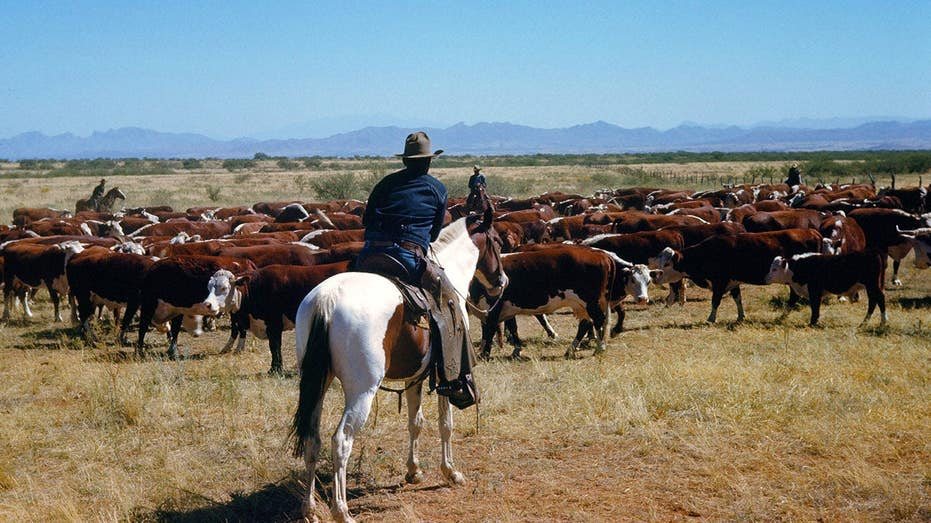
President Donald Trump's decision to import 300,000 metric tons of foreign beef trim has left cattle ranchers in reliably Republican states uneasy, threatening a key constituency as the GOP heads into a high-stakes midterm election season. The administration announced the move in August as part of an effort to lower costs for American consumers, but ranchers say the resulting market volatility is already eroding their livelihoods.
Greg Gunthorp, a farm-to-table cattle farmer in northeast Indiana, described the past month as particularly turbulent. «These markets have been very volatile the last month,» he said. «The ranchers have lost a lot of equity. The markets are down substantially.» The uncertainty has made it difficult for producers to decide whether to retain heifers for breeding or sell them as feeder cattle, a choice that carries long-term consequences for herd rebuilding.
The import plan arrives at a moment when U.S. cattle herds have already shrunk to their lowest level in 75 years. A prolonged drought has decimated Midwest herd populations, and spiking diesel costs tied to the war in Iran are squeezing margins further, forcing ranchers to raise prices. Against that backdrop, the infusion of foreign beef has amplified concerns about the industry's stability.
Jaclyn Wilson, a cattle rancher in western Nebraska, said a critical unknown is how much of the 300,000 metric tons will actually be imported. «The only thing that really concerns me and continues to concern me, is that the market volatility is definitely there,» she said. «It seems like any time that we have significant prices in the beef industry and our administration says something, we do see that market fluctuate and that can be devastating for producers that are selling calves right now or even yearling.» Wilson sold some yearling steers shortly after the announcement and received $175 less per head than she normally would. «And that's pretty significant for a producer,» she said.
A common refrain among ranchers is that the government should either incentivize cattle production or stay out of the market entirely. Mary Jo Perry, a Mississippi cattle rancher who runs a grass-fed, farm-to-table operation, said the policy has not affected her business because she sells to health-conscious customers seeking high-quality beef raised without corn or soy. Still, she warned that temporary price relief will not solve the underlying shortage. «You can relieve a price temporarily today, but they're not going to put cattle back in Mississippi pastures,» Perry said. «And that's the problem, is that we have a cattle shortage. So, something needs to be done to encourage farmers and incentivize them, enable them to retain heifers.»
Wilson echoed that sentiment, expressing frustration that government intervention is dictating decisions her family has made for generations. «I think that's what's so discouraging for me as a cattle producer is that I'm trying to do what my family has done for generations, and somebody else is dictating it right now,» she said. «I'm not given those opportunities to make that choice, and that's what's really disappointing.» She added that while herd rebuilding is a shared goal, it should happen naturally. «Keep the government out of it,» she said. «Let it naturally happen. Mother Nature, of course, is the biggest component of that.»
Agriculture Secretary Brooke Rollins, speaking at the GOP Midterm Convention in Dallas, said she has spoken with hundreds of ranchers to explain the administration's thinking. «So, hearing from those ranchers directly was really important,» Rollins said. She pointed to a broader pro-rancher agenda, including efforts to protect private property rights and cut regulatory burdens. «Until President Trump took office, America's ranchers were treated as a problem with policy geared toward their eventual extinction,» Rollins said. «The consequences were devastating: a war on beef, a cattle herd at a 75-year low, and the loss of tens of thousands of family operations.» She said the Ranchers First Initiative is investing in rebuilding the national herd, providing risk management tools, cutting red tape, and demanding transparency in a consolidated marketplace.
Despite those assurances, ranchers remain wary. The combination of a historic herd shortage, drought, high fuel costs, and unpredictable policy signals has created a climate of uncertainty that many say they cannot afford as the midterm elections approach. For a demographic that has typically aligned with the president's agenda, the beef import scheme has become a source of frustration and a test of political loyalty.