Memorandum
- From
- Derek Weston via TIME.com
- Date
- Filed
- Society·4 min to read
- Re
Hanging From a Bar for 30 Seconds Can Improve Grip and Posture
ReHanging From a Bar for 30 Seconds Can Improve Grip and Posture
Physiotherapists say a simple 30-second hang from an overhead bar can stretch tight upper-body muscles and build grip endurance, offering a practical antidote to desk-bound posture.
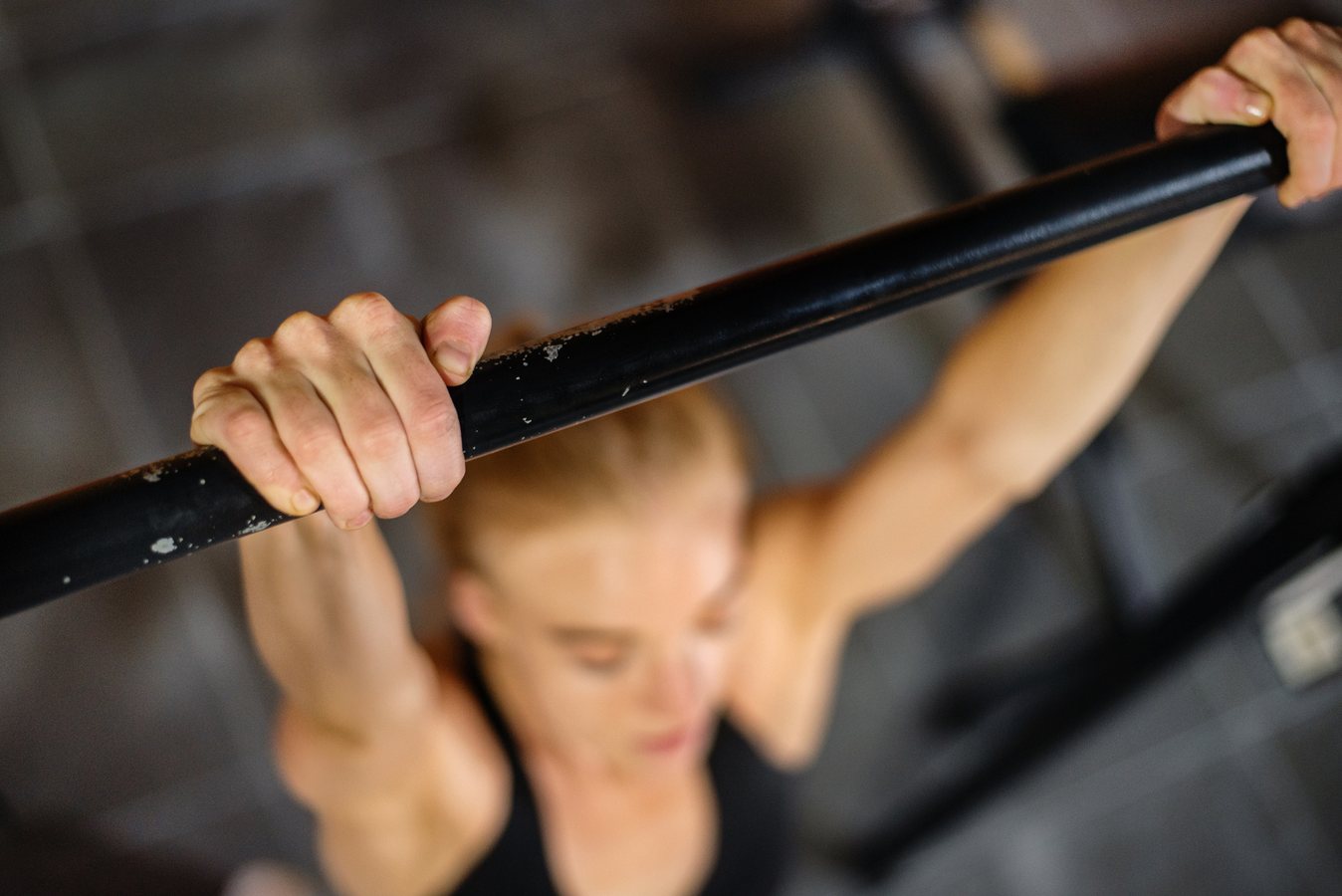
Hanging from a bar for just 30 seconds can stretch the shoulders, arms, and trunk while building grip endurance, according to physiotherapists who recommend the exercise as a simple counter to the hours many people spend hunched over desks and phones. The move, which involves gripping an overhead bar with straight arms while keeping the feet planted or lifting them off the floor, is gaining attention as an accessible way to address the physical effects of modern sedentary habits.
Australian physiotherapist Daniel Vadnal, who runs the fitness education platform FitnessFAQs, says the exercise mirrors what children naturally do on playgrounds. He persuaded his 93-year-old grandmother to try a supported hang, where the feet remain on the floor, and she reported feeling taller and looser after just 30 seconds, with greater ease reaching her kitchen cabinets. Vadnal describes two main variations: a passive hang, where the body relaxes and the shoulders move toward the ears, and an active hang, where the shoulder blades are pulled down away from the ears to engage the muscles of the shoulders and back.
The stretch targets the chest muscles, the triceps, and the latissimus dorsi, the large muscles of the back, according to Vadnal. Hazel Anderson, a physical therapist and faculty member at the University of St. Augustine for Health Sciences in Austin, says the exercise primarily supports grip endurance rather than raw grip strength. That endurance carries over to everyday tasks such as carrying groceries and serves as a foundation for more demanding movements like pull-ups. Anderson notes that the hands, fingers, and forearms act as a link to the back, and strengthening that link helps prepare the body to support its own weight.
Research on short, recreational hangs remains limited, with most studies focusing on climbers. A small 2026 study of 11 climbers found that as their grip fatigued, the shoulders and other upper-body muscles increasingly contributed to keeping them on the bar. A separate randomized trial involving experienced climbers who hung by their fingers for eight weeks with progressively added weight showed improvements in some measures of grip strength. While those studies involved advanced athletes and additional load, they support the idea that regularly asking the hands to hold the body up can improve their capacity.
Grip strength is also widely used as a marker of overall health. Vadnal points to a study of nearly 140,000 adults across 17 countries that linked weaker grip with a higher risk of death and cardiovascular disease. He cautions that hanging longer will not necessarily extend lifespan, but the measure serves as a useful signal of general physical condition rather than a guarantee of longevity.
For beginners, the bar does not need to be high. Anderson recommends using a step stool or platform, holding the bar with both hands, bending the knees slightly, and keeping enough weight in the feet to make the stretch manageable. She suggests starting with a 10-second supported hang repeated three to five times with brief rests, then gradually working toward a 30-second hold. Vadnal recommends three 30-second sets once the exercise can be performed with control, with hands placed about shoulder-width apart for comfort.
Neither therapist claims that hanging will permanently correct posture or cure back or shoulder pain, as those outcomes have not been established in strong clinical trials. But the exercise moves the upper body into a position it rarely visits during a typical day, which helps explain why people often step down from the bar feeling looser and less compressed through the shoulders.
55