Memorandum
- From
- Derek Weston via TIME.com
- Date
- Filed
- Society·5 min to read
- Re
Food Is Medicine Programs Gain Ground in U.S. Health Care
ReFood Is Medicine Programs Gain Ground in U.S. Health Care
A growing movement known as Food Is Medicine is integrating medically tailored meals into health care to prevent and manage chronic diseases, with early evidence showing reduced hospitalizations and new federal initiatives on nutrition education.
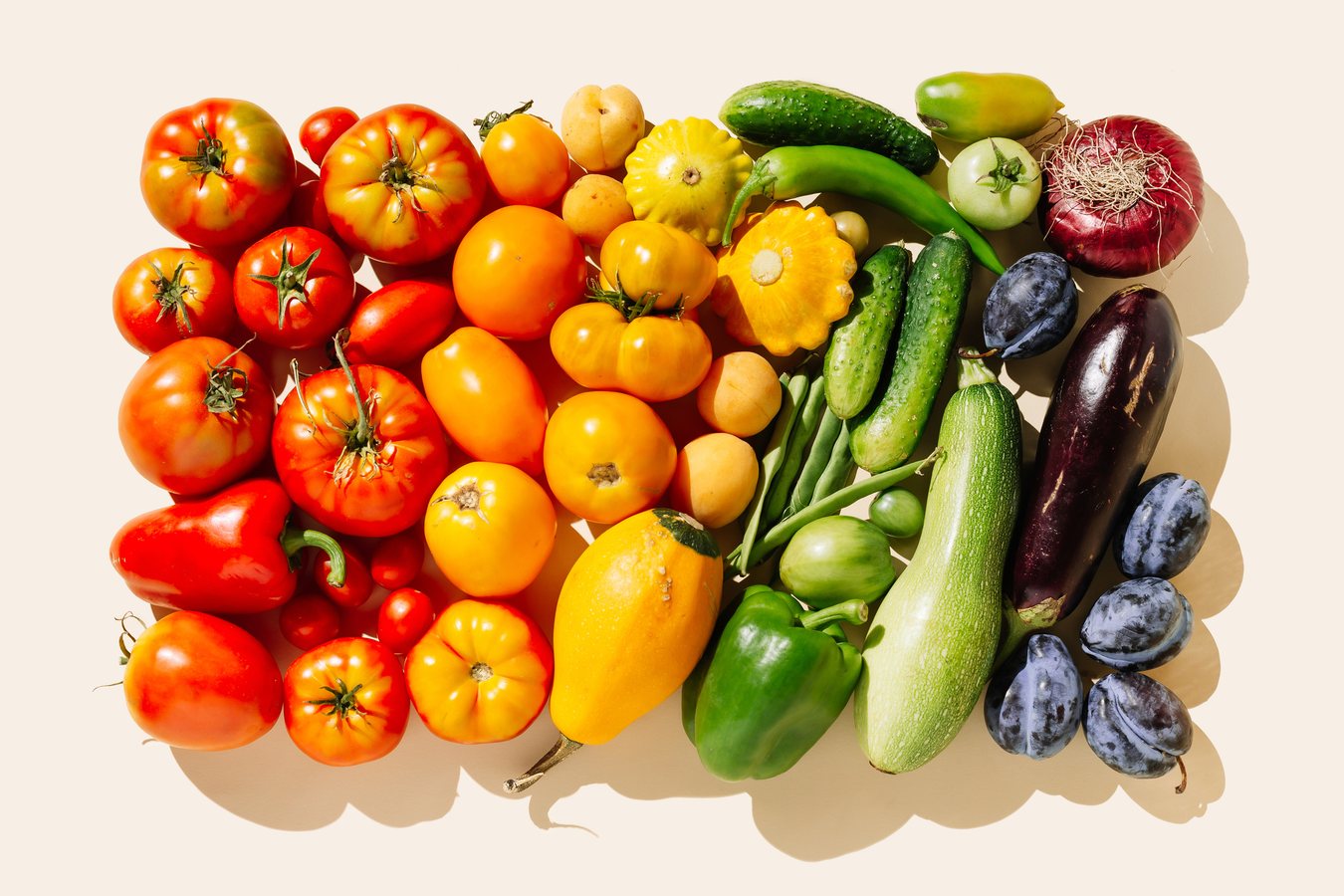
Medically tailored meals are emerging as a practical tool in American health care, with a growing movement known as Food Is Medicine aiming to treat diet-related chronic conditions as rigorously as prescription drugs. The approach combines nutritional advice with delivered meals designed to manage illnesses such as heart disease, diabetes, and hypertension.
The concept has gained federal traction. In response to a congressional directive, the Department of Health and Human Services developed a Food Is Medicine initiative to coordinate efforts and provide a roadmap for integrating nutrition into health care. Yet significant evidence gaps remain about which approaches work, for whom, and at what cost.
Early data is encouraging. A randomized clinical trial of 206 adults living with heart failure in the Navajo Nation found that a meal program reduced the likelihood of hospitalization or emergency department visits within 90 days by about 30 percent. The American Heart Association's Health Care by Food initiative, launched with support from the Rockefeller Foundation, is funding research to determine how to make such programs accessible, affordable, and scalable.
The need is urgent. Poor-quality diet is one of the most common risk factors for heart disease, according to the American Heart Association's 2026 Heart Disease and Stroke Statistics report. Nutrition is a powerful tool to prevent and manage chronic conditions, and the fundamentals of a heart-healthy diet have been consistent for years: eat plenty of fruits and vegetables, prioritize healthy proteins, choose whole grains, and minimize sodium, processed foods, and added sugar.
But knowing what to eat and being able to eat that way are not the same. Nearly one in seven U.S. households struggled with having enough food at some point in 2024, according to USDA data. Healthier foods often cost more, and even seemingly healthy choices can contain hidden sodium and saturated fat. Nearly seven in 10 adults exceed the recommended daily sodium intake of 2,300 milligrams.
Simply recommending a low-sodium diet to patients is often not enough, according to a preventive cardiologist involved in the 2025 high blood pressure guideline by the American Heart Association and American College of Cardiology. The Food Is Medicine idea asks whether low-sodium meals could be delivered as easily as a prescription refill.
Education is also part of the solution. In 2026, HHS and the Department of Education announced an initiative for U.S. medical schools to deliver at least 40 hours of nutrition education. Because healthy nutrition matters for every patient, every doctor needs to learn this information.
Population-level change may require reshaping the food environment. More than 50 years ago, North Karelia, a rural region in eastern Finland, faced some of the world's highest heart disease mortality rates. Local representatives petitioned the government, and the North Karelia project was born. Public campaigns promoted dietary changes, including replacing butter and full-fat dairy with healthier fats and increasing vegetable and fruit intake. Food manufacturers changed products, and schools changed what they served. Over the following decades, coronary heart disease mortality in eastern Finland fell by more than 80 percent among working-age adults.
The United States has its own public-health success stories. For much of the 20th century, car crashes were a major cause of death. Beginning in the 1960s, the country adopted a broader approach combining safer vehicle and road design, including seatbelts and later air bags, with safety laws and enforcement. Despite a tenfold increase in miles driven, the motor-vehicle death rate fell by 90 percent per mile traveled between 1925 and 1997, according to the Centers for Disease Control and Prevention.
Those examples suggest that sustained, multi-sector efforts can shift health outcomes. For Food Is Medicine, the next steps involve answering remaining research questions and building programs that can reach patients at scale. The movement's proponents argue that treating food as medicine is not a matter of individual willpower alone but of designing systems that make healthy eating possible.
2