
Memorandum
- From
- Connor Quincy via fox - Health
- Date
- Filed
- Society·3 min to read
- Re
Occasional marijuana use linked to higher stroke risk in large US study
ReOccasional marijuana use linked to higher stroke risk in large US study
A study of nearly 450,000 American adults found that even light marijuana use was associated with higher odds of stroke and cardiovascular disease, though the research shows correlation rather than cause.
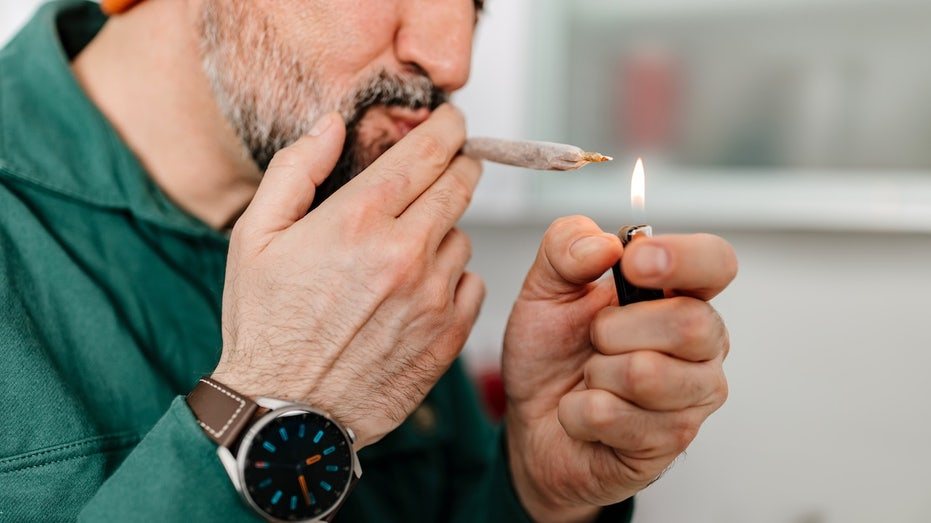
Even occasional marijuana use is associated with higher odds of stroke and cardiovascular disease, according to a large study of nearly 450,000 American adults. The findings, presented at the American Heart Association Scientific Sessions 2026 in Chicago from Nov. 6 to 9, add to growing questions about the health effects of cannabis as its use becomes more common across the country.
The research, led by Dr. Aabha Divya of the Tulane University School of Medicine, drew on survey data from the Centers for Disease Control and Prevention's Behavioral Risk Factor Surveillance System, collected between 2020 and 2024. Participants who reported using marijuana on one to five days a month had 23% higher odds of a history of cardiovascular disease than non-users. Those who used it on 16 to 30 days a month showed 21% higher odds. For stroke, low-frequency users had 40% higher odds, while heavy users had 25% higher odds.
The pattern was not a simple one. The researchers described a non-linear relationship, meaning that both light and heavy users faced elevated risk rather than risk rising steadily with use. The study found no significant link between cannabis use and heart attacks. The method of consumption, whether smoking, vaping or edibles, also did not change the level of risk.
The study has important limits. It is observational and captures a single point in time, so it can show an association but cannot establish that marijuana causes stroke or heart disease. The data come from telephone surveys, which depend on participants' memory and recall and can contain errors. The researchers did not measure product strength, THC potency or the total amount consumed. Because the work has not yet been peer-reviewed, the findings should be considered preliminary.
The scale of the question is significant. About one in six American adults reported using marijuana in the past month in 2024, up from one in ten in 2020, a rise of 51%. Given that growth, even modest increases in risk could affect a large population.
Outside experts urged caution in interpreting the results without dismissing them. Dr. Kristen Worth, an adviser to NuggMD who was not involved in the study, said the findings warrant careful attention. Dr. Robert Page II of the University of Colorado, also not involved, said cannabis should not be treated as a bystander in cardiovascular health. Page recommended that doctors ask patients about marijuana use in the same way they ask about tobacco and alcohol.
Experts also advised patients not to stop taking prescribed cardiovascular medications on the basis of these findings. Anyone with concerns about their cannabis use and heart or stroke risk is encouraged to speak with a physician.
5

Source: Even occasional marijuana use linked to higher stroke risk, study finds