
Memorandum
- From
- Delaney Sawyer via Fast Company
- Date
- Filed
- Society·5 min to read
- Re
Anti-Flock surveillance backlash grows with protests, vandalism, and art
ReAnti-Flock surveillance backlash grows with protests, vandalism, and art
Opposition to Flock Safety's license plate-reading cameras is escalating across the U.S. as local governments cancel contracts, activists stage creative protests, and the company faces mounting public pressure over privacy concerns.
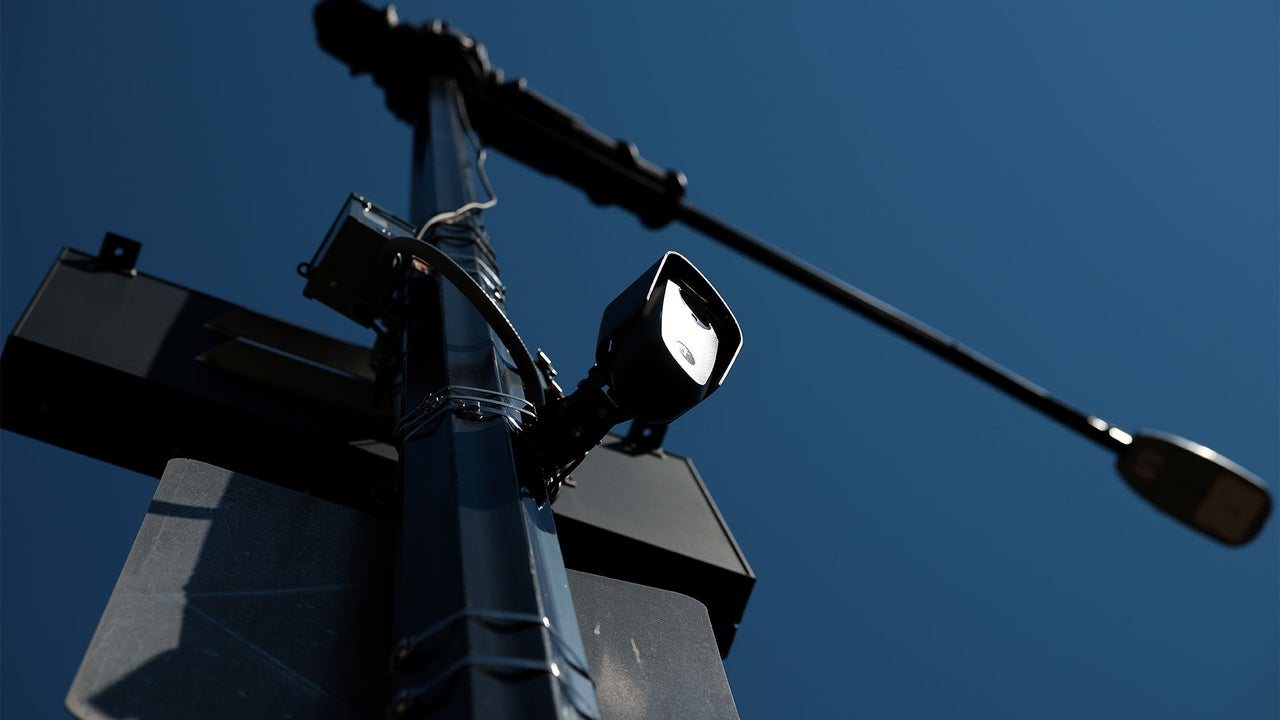
Opposition to Flock Safety, the Atlanta-based surveillance company whose automated cameras record license plates and vehicle characteristics nationwide, is intensifying as citizens, local governments, and artists escalate their protests in increasingly creative ways. The backlash, which critics have dubbed the “Flocklash,” has moved beyond formal complaints into vandalism, performance art, and public demonstrations aimed at drawing attention to what many see as an overreach of mass surveillance.
More than 50 agencies or jurisdictions have canceled, suspended, or rejected Flock contracts, or deactivated its cameras, since the start of 2026, according to a recent Fast Company report. The cancellations stem from concerns that the data collected could be accessed for immigration enforcement or used in unauthorized tracking. In response, the company announced a series of new operational guardrails on August 13, though the pressure has continued to build.
Flock cameras have become targets of widespread vandalism in at least 36 states, according to an NPR review published August 21. Records show the devices have been stolen, sawed down, covered in paint, and even shot at with guns. The physical attacks are matched by a wave of digital and artistic protest that has gained significant traction on social media.
Photographer Brendan North began posting videos this month of himself creating protest art at local Flock cameras, amassing several million views. His demonstrations include pointing a mirror at a camera with the phrase “Go Flock yourself,” having a toddler hold red balloons next to a camera to frame “the innocence of a child against the heavy handed overreach of the surveillance state,” and blindfolding a camera with an American flag.
Other protesters have taken their message directly to public officials. On August 20, an unidentified man attended a San Diego public safety committee meeting dressed as Darth Vader, voicing support for Flock and saying, “We must continue utilizing Flock technologies so that we can follow and surveil the Rebel scum.” A video of the meeting has nearly 500,000 likes on Instagram.
Producer and data scientist Benn Jordan has been vocal about Flock for months. On August 21, he posted a video claiming the company blocked him from attending its annual conference, Flock Forward. In response, he set up a surveillance-equipped van outside the conference center and used it to watch and record data from the event. That video has more than 700,000 likes.
The most recent demonstration occurred on August 23, when activists from the climate action group The Sunrise Movement staged a protest outside the home of Chris Larsen, a cryptocurrency billionaire and cofounder of Ripple Labs. Larsen has worked to install private cameras across San Francisco, including reportedly financially supporting the San Francisco Police Department’s Real-Time Investigation Center, which uses Flock technology. Protesters hoisted signs reading “Does this make you feel safer, Chris?” and built paper surveillance cameras to “watch” the outside of Larsen’s property.
“Billionaires like Chris Larsen think they can fund the end of privacy and think they won’t be watched for it,” Sunrise Movement campaign director Kidus Gima said in an email. “Young people are showing that this isn’t true. Young people are getting creative and using their first amendment rights to bring surveillance to millionaires and billionaires.”
Flock did not have an immediate comment on the recent forms of protest. In an interview with Fox News over the weekend, founder Garrett Langley called for a national “compromise” between promoting privacy and safety. The company remains at the center of a broader public debate over surveillance technology, even as competitors like Axon, Vigilant Solutions, Genetec, and Jenoptik also operate license plate-reading cameras cited by the ACLU as intrusive.
120