Memorandum
- From
- Delaney Sawyer via Fortune | FORTUNE
- Date
- Filed
- Business·3 min to read
- Re
AI Race Shifts to Financing as Broadcom, Nvidia, AMD Compete With Capital
ReAI Race Shifts to Financing as Broadcom, Nvidia, AMD Compete With Capital
Broadcom is reportedly in talks to raise about $30 billion in debt to help OpenAI buy chips, the latest sign that the AI competition is being fought as much through financing as through technology.
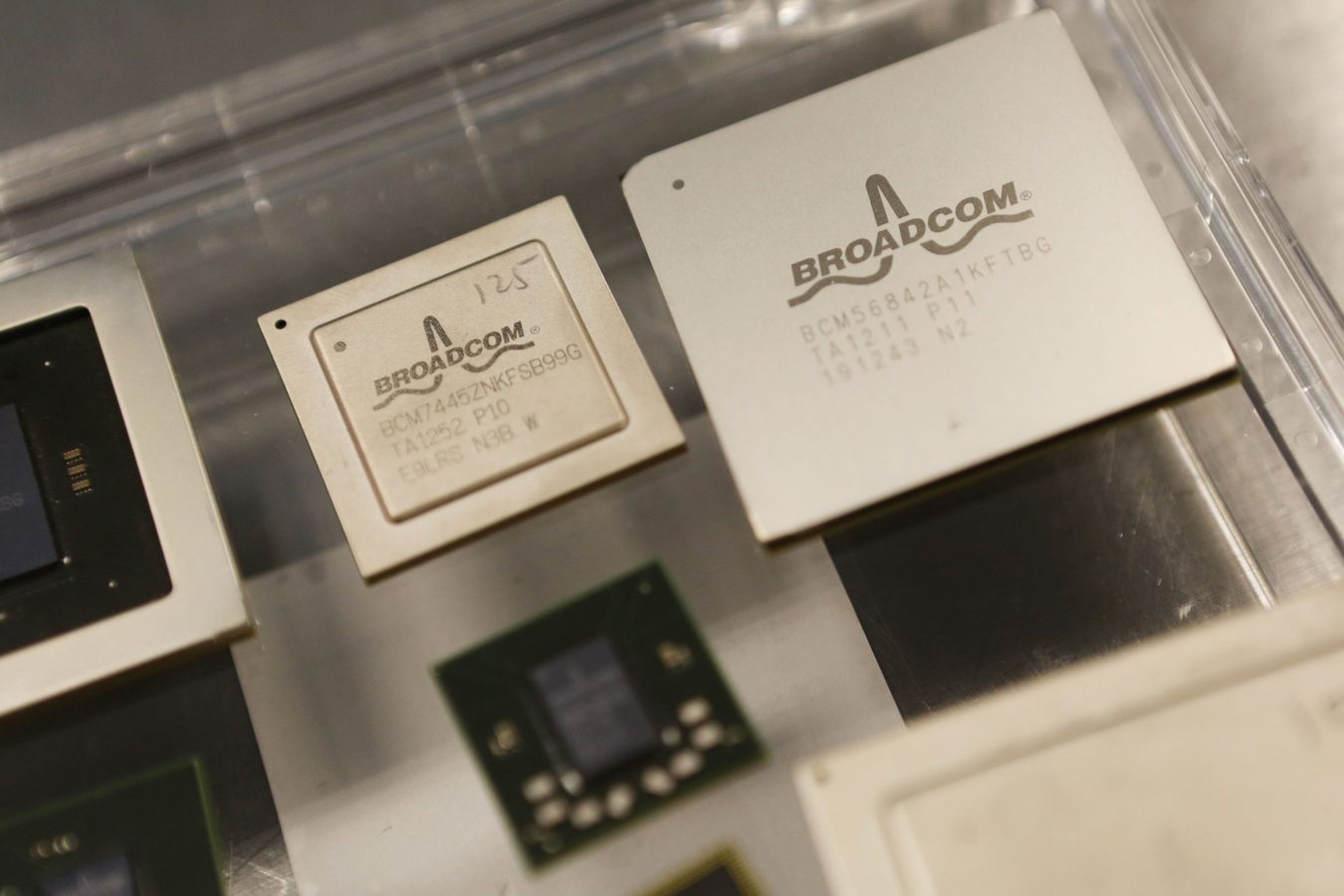
The competition to lead in artificial intelligence is increasingly being decided not by chip performance alone but by the financial ties companies build with their customers. Broadcom has reportedly held talks to raise around $30 billion in debt to help OpenAI purchase chips the two companies are developing together, according to a report in Fortune's CEO Daily newsletter.
The move follows a similar $35 billion financing package for Anthropic and another $60 billion package in the works for Anthropic and other firms. Nvidia recently partnered with six finance firms to mobilize more than $500 billion in third-party capital to finance customers' AI infrastructure, and it holds direct stakes in AI companies valued at almost $100 billion. AMD has offered OpenAI and Meta warrants for up to 320 million shares at a penny each, giving those customers a stake in its success.
These playbooks are not new. Manufacturers such as General Motors and General Electric have long helped customers buy their products through financing and by investing in infrastructure. What is different now, the report suggests, is the scale of the commitments and the uncertainty surrounding the core product. As Nvidia, Broadcom and AMD compete through financing and equity incentives, questions arise about whether customers are paying the right price and whether they can still shop around.
Before building their businesses around an AI provider, leaders should understand the ecosystem behind it: what capital is firmly committed, who bears the losses, and whether investment or purchasing agreements constrain the provider's choices — and ultimately their own. Much of this financing rests on the labs' revenue growth, which is why the numbers matter.
The Financial Times reported that OpenAI shared updated financials showing annualized revenue approaching $50 billion as of the end of September, about $20 billion less than what was circulated to investors last month. OpenAI and Anthropic also calculate revenue differently, with Anthropic including revenue booked by its cloud partners. Strip that out, and Anthropic's $60 billion annualized revenue through the end of July is probably about a third less.
Those are big fluctuations on some pretty big numbers, and they underscore the need to know what is being committed, on what terms, and what happens if things go wrong. There was a time when GE Capital was reported as a single line item, despite making up almost half of GE's earnings. The financial crisis and demands for transparency forced more disclosure, highlighting vulnerabilities investors did not like.
As OpenAI and Anthropic move toward IPOs, a clearer picture of their finances should emerge. Going public may create higher demands for clarity on what is really fueling the AI boom. For now, the race is as much about capital as it is about chips.
3