
Memorandum
- From
- Caroline Mercer
- Date
- Filed
- Politics·5 min to read
- Re
What the State Department’s merit-first Foreign Service overhaul changes
ReWhat the State Department’s merit-first Foreign Service overhaul changes
Washington’s personnel reset affects the entrance exam, initial training and promotion criteria, but it does not erase the State Department’s equal-opportunity rules.
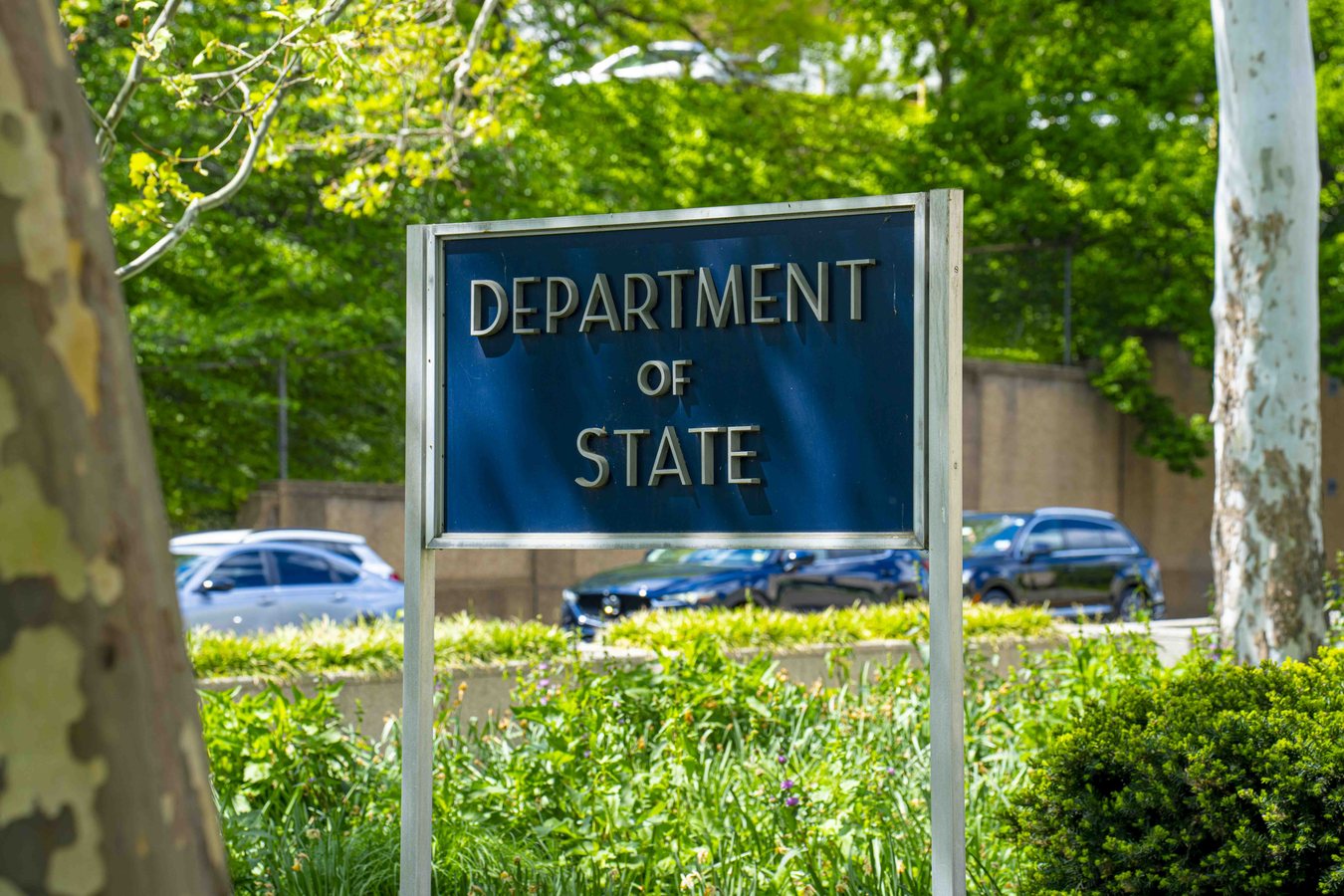
The State Department’s move away from DEI in the Foreign Service is not a single policy switch. It is a layered personnel overhaul that now touches three different stages of a diplomatic career: who gets selected, what new officers are taught and what counts when experienced officers compete for advancement.
The promotion piece came first. A White House memorandum issued in March 2025 directed the secretary of state to remove the Diversity, Equity, Inclusion, and Accessibility Core Precept from the Foreign Service tenure and promotion criteria used for 2022 through 2025. The administration’s argument was that career decisions should reward merit and professional capability rather than adherence to a separate DEIA objective. The broader federal anti-DEI order issued at the start of President Donald Trump’s second term supplied the government-wide policy context.
A second layer is recruitment. The State Department’s current Foreign Service careers page calls the redesigned officer test part of a merit-based selection process. The exam now includes a logic-and-reasoning component, while the situational-judgment section has been discontinued. Personal narrative essays are no longer part of the process, and the department says its job-knowledge and English testing is more tightly aligned with what officers are expected to do.
The third layer is preparation after selection. In its 2026 reform announcement, the department said Foreign Service orientation would put more weight on American history, diplomatic theory, economic statecraft, strategic competition, negotiation, public speaking and leadership. The stated purpose is to prepare officers for policy execution in a changing international environment and to reduce material the administration considers bureaucratic or ideological.
One reason the dispute has become so heated is that both sides use the word “merit.” The State Department’s formal personnel rules already required appointments, assignments and promotions to be based on merit before the new overhaul. The administration therefore is not introducing merit from scratch. It is narrowing the range of considerations it believes may legitimately influence a personnel decision and reasserting job performance as the dominant measure.
The department has also made a retrospective claim. It says an internal study identified 295 Foreign Service officers who were denied promotion opportunities in 2024 after DEI became embedded in the process. State says it is taking steps to provide restitution based on past performance. Because the detailed methodology of that internal review has not been published alongside the headline figure, the 295 number is best understood as the department’s own finding rather than an independently audited statistic.
The American Foreign Service Association has challenged parts of the reform narrative. AFSA welcomed the restart of recruitment but said subjects now highlighted as part of the new training model — including American history, diplomacy and negotiation — were already longstanding components of professional preparation. It also raised concerns about whether political objectives could shape a career system that is supposed to sustain a professional service across administrations.
Democratic senators have raised a related personnel question over delays in bringing more than 50 Pickering and Rangel fellows into the Foreign Service. They describe those fellowships as highly competitive, merit- and need-based pipelines and argue that extended delays could damage diplomatic readiness. The dispute shows that “merit” is not the only issue; there is also a fight over which pipelines the department should maintain to find talent.
What has not changed is equally important. The Foreign Affairs Manual still prohibits employment discrimination and still requires promotions to be based on merit. Current performance rules preserve Equal Employment Opportunity responsibilities, and mandatory No FEAR Act training remains in place. The department can abandon DEI as a management program without abandoning the legal duty not to discriminate.
The overhaul’s long-term effect will depend on measurable outcomes: applicant volume, who passes the redesigned exam, how quickly high performers advance and whether the service retains the language, regional and technical expertise needed abroad. Those data will determine whether the new system is genuinely a cleaner merit framework or simply a different political philosophy embedded in personnel policy.
67

Source: White House memorandum on Foreign Service personnel policy