
Memorandum
- From
- Delaney Sawyer via fox - Opinion
- Date
- Filed
- Politics·5 min to read
- Re
Weingarten's claim that school choice cost Republicans the midterms is challenged
ReWeingarten's claim that school choice cost Republicans the midterms is challenged
An opinion piece argues that school choice did not hurt Texas Republicans in the midterms, citing exit polls, voter-approved tax measures and the strong demand for Texas education savings accounts.
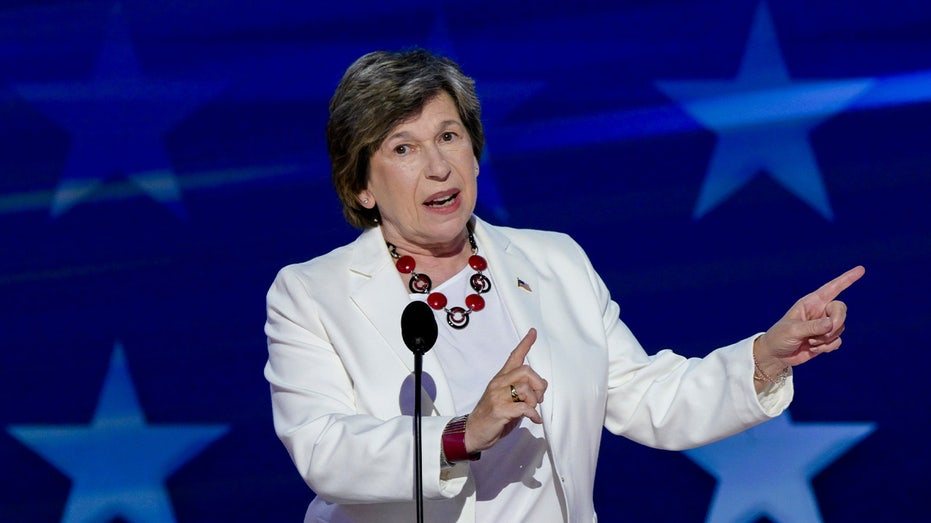
An opinion column published by Fox News challenges the claim from teachers union leader Randi Weingarten that Republicans lost ground in the midterms because of school choice. Weingarten said voters across the nation rejected the defunding of schools and what she called the far-right's culture wars and privatization agenda. The column argues that the evidence does not support that conclusion, particularly in Texas, where the debate has been most visible.
The piece points to Texas Democratic Gov.-elect Gina Hinojosa, who said in her election-night victory speech that her administration would work to repair the damage of what she called the Texas voucher scam. The column notes that Texas Democrats have since filed proposals that would end scholarships for more than 100,000 mostly low-income students, despite campaigning on affordability. It also points out that most of the 10 Democratic Senate cosponsors of those proposals either attended private school or sent their own children to one.
The author argues that demand for the program itself contradicts claims of public backlash. According to the column, more than 274,000 students applied for Texas Education Freedom Accounts in the first year, more than 100,000 of them were funded, and tens of thousands of families remain on a waitlist after available funding ran out. The column also cites NBC exit polling from 2022 and 2026, which it says shows Gov. Greg Abbott receiving roughly the same share of the rural vote in both elections, between 64 and 66 percent. The author contends that if rural voters had turned against Abbott over school choice, exit polling would have shown him losing ground with them.
The column further argues that education ranked near the bottom of voters' top issues, behind the economy and immigration. It notes that although more than 20 Texas House seats flipped from Republican to Democratic, only one of those flips occurred in the 30 most rural districts, which remained heavily Republican. The author also points to ballot results in which Texas voters rejected nearly $7 billion, about 85 percent of the total dollars considered, in additional money for the public school system this month. The column cites a 2025 measure, approved by 79.4 percent of voters, to increase the homestead exemption from school district property taxes, which it presents as evidence that voters chose to reduce local taxes and associated school revenue.
Polling cited in the column includes a University of Texas at Austin survey from October that found voters equally trusted the two gubernatorial candidates on public education. The author says Democrats have historically held a double-digit advantage on the issue, so Hinojosa's zero-point advantage suggests her education platform did not resonate. The column also cites a 2024 University of Houston poll showing 69 percent of Texas voters supported universal education savings accounts, and University of Texas at Tyler polling showing 60 percent support for school choice in 2023.
The column also references Republican primary results. It says 88 percent of Texas Republican primary voters supported school choice on the 2022 ballot, and that in 2024 anti-school-choice incumbent Glenn Rogers lost his primary by 27 points. The column criticizes a Dallas Morning News op-ed by Suzanne Bellsnyder, described as a longtime Republican, that suggested rural Republicans were embracing Hinojosa. According to the column, the paper later added a note saying its editors were unaware that Bellsnyder's firm had been paid $57,000 by the Hinojosa campaign and would not have published the piece had they known, but the article was not removed.
The author also argues that school choice does not hurt rural communities, pointing to the oldest voucher programs in the country, which began in Maine and Vermont in the late 1800s for children in rural areas without public schools. Mississippi and Alaska, the column notes, flipped Senate seats to Democrats even though neither has a universal school-choice program. The column concludes that school choice did not cost Abbott his election, but warns that officials who move to withdraw scholarships from families who already have them could face political consequences of their own. The views expressed are those of the opinion author.
4

Source: Forget what Randi Weingarten says, school choice didn’t hurt Republicans in midterms