Memorandum
- From
- Derek Weston via Yahoo News - Latest News & Headlines
- Date
- Filed
- Politics·3 min to read
- Re
Trump Announces US-Venezuela Oil Deal, Says It Will Lower Gas Prices
ReTrump Announces US-Venezuela Oil Deal, Says It Will Lower Gas Prices
President Trump announced a deal giving the US control of 65 billion barrels of Venezuelan oil reserves, which he says will lower gas prices at no cost to American taxpayers.
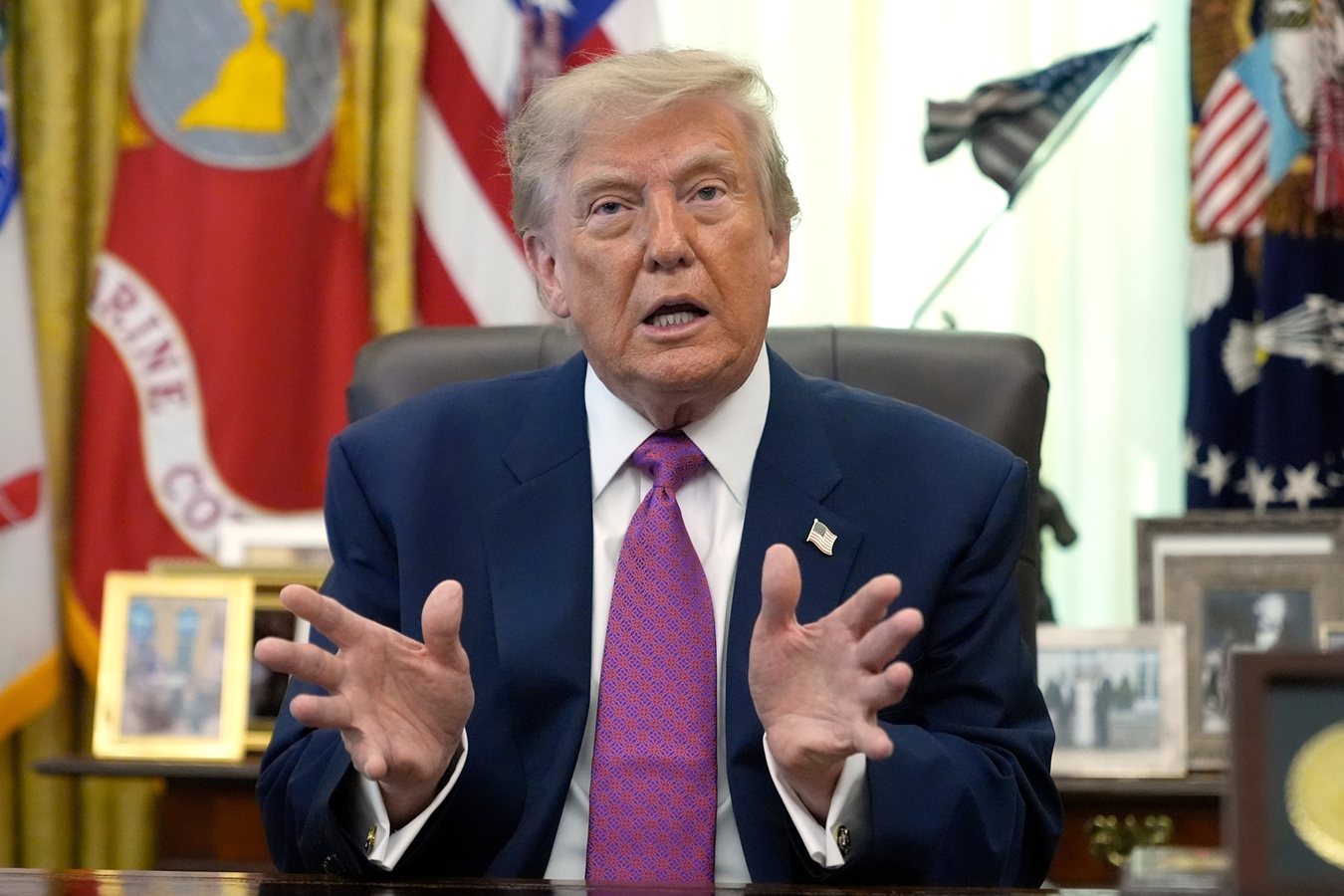
President Trump announced a new agreement with Venezuela that he described as a “historic” oil deal, saying the United States will take control of 65 billion barrels of oil reserves. The president said the arrangement, which he called the “biggest oil deal in world history,” would be carried out at no cost to the American taxpayer and would help bring down gasoline prices.
The announcement was made alongside Secretary Marco Rubio, who called the deal a “huge win for both the American and Venezuelan people.” The agreement gives the United States a controlling stake in a large share of Venezuela’s oil production, a move that could reshape energy relations between the two countries after years of sanctions and diplomatic tension.
Venezuelan President Delcy Rodríguez responded to the deal by saying it would have a “significant impact on our nation’s revival.” Her statement suggests the Venezuelan government sees the agreement as a path toward economic recovery, even as the terms give Washington substantial influence over the country’s most valuable natural resource.
The deal comes at a time when global energy markets remain volatile and American consumers continue to feel the effects of fluctuating fuel prices. By securing access to Venezuelan reserves, the administration aims to increase the supply of oil available to the US market, which could put downward pressure on prices at the pump.
Details of the agreement, including how the control of the reserves will be structured and what Venezuela receives in return, have not been fully disclosed. The administration framed the deal as a strategic win, but questions remain about the logistics of extracting and exporting oil from Venezuela, which has faced years of underinvestment and infrastructure decay in its energy sector.
The announcement marks a significant shift in US policy toward Venezuela, which has been under heavy sanctions designed to pressure the government of Nicolás Maduro. Critics of the previous approach have argued that sanctions hurt ordinary Venezuelans without achieving political change, while supporters of the new deal say economic engagement may prove more effective than isolation.
For American drivers, the immediate effect on gas prices is uncertain. Energy analysts note that bringing new oil to market takes time, and the impact on consumer prices depends on how quickly production can be ramped up. Still, the administration’s framing of the deal as a consumer relief measure signals that the White House intends to use the agreement as a talking point heading into the next election cycle.
The agreement also raises questions about the future of US-Venezuela relations. If the deal succeeds, it could open the door to broader economic cooperation between the two countries. If it falters, it could deepen the existing tensions and leave both sides worse off than before.
46