
Memorandum
- From
- Delaney Sawyer via PBS NewsHour
- Date
- Filed
- Politics·5 min to read
- Re
Trump administration removes gender identity data from school civil rights survey
ReTrump administration removes gender identity data from school civil rights survey
The Trump administration quietly released an update to a federal school civil rights survey with all data on nonbinary students and gender identity-based bullying removed.
The Trump administration has quietly released an updated version of a major federal survey on civil rights in schools, with all data related to nonbinary students and bullying based on gender identity removed. The change alters the information available to researchers, policymakers, and the public about the experiences of LGBTQ students in American schools.
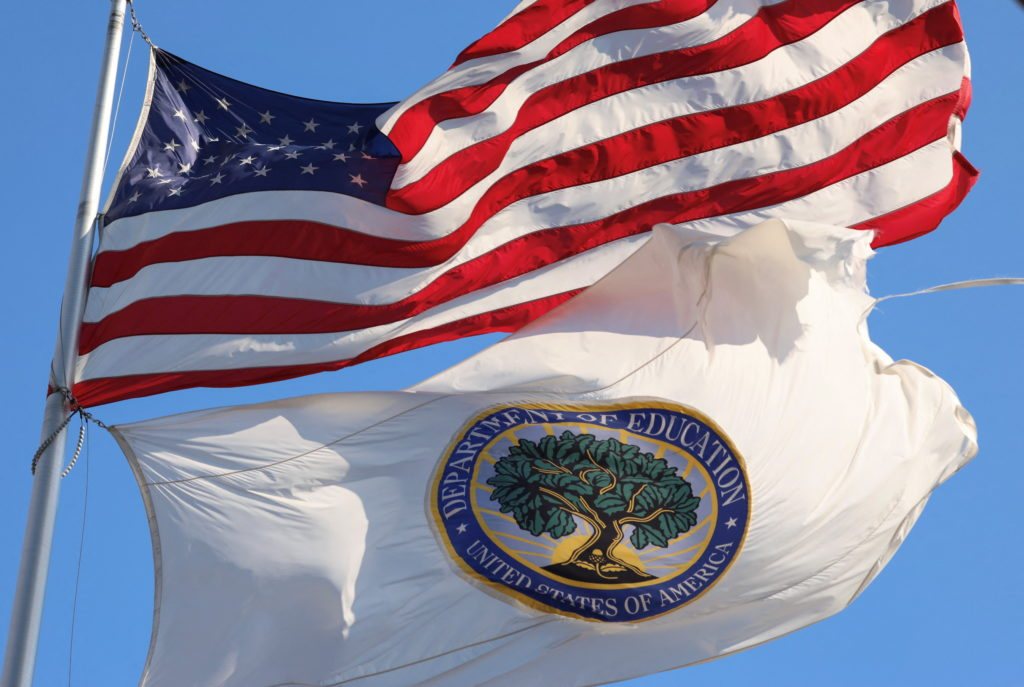
The survey, known as the Civil Rights Data Collection, is conducted by the Department of Education's Office for Civil Rights and gathers information from the nation's public schools on a wide range of topics, including student discipline, access to advanced courses, and incidents of harassment. The updated release this week stripped out data fields that tracked bullying based on gender identity and removed any reporting categories for nonbinary students.
The move is part of a broader pattern under the current administration of rolling back federal recognition and protections for transgender and nonbinary individuals. Earlier executive orders and policy changes have sought to restrict the use of gender identity in federal data collection and to narrow the definition of sex to a binary classification based on biological sex at birth.
The Civil Rights Data Collection is considered one of the most comprehensive sources of information on educational equity in the country. It is used by civil rights advocates, academic researchers, and school districts to identify disparities and to guide policy decisions. The removal of gender identity-related data means that future analyses will have a significant gap in understanding the scope of bullying and harassment faced by transgender and nonbinary students.
Advocacy groups that track school climate and student safety have expressed concern that the omission will make it harder to document problems and to hold schools accountable for protecting vulnerable students. Previous editions of the survey had included questions about whether students had been bullied or harassed based on their gender identity, and the responses were used to highlight the disproportionate rates of victimization reported by transgender students.
The change was made without a formal public announcement, drawing criticism from education and civil rights organizations who argue that the data is essential for ensuring safe learning environments for all students. They point to research showing that transgender and nonbinary students face higher rates of bullying, depression, and suicide attempts compared to their peers, and that school-based support and accurate data collection are critical components of addressing those risks.
The Department of Education has not issued a detailed explanation for the data removal. The action aligns with the administration's broader efforts to eliminate references to gender identity across federal programs and to emphasize what officials describe as a return to a focus on biological sex in federal policy.
The survey update continues a series of administrative actions affecting education policy, including changes to Title IX enforcement and guidance regarding transgender student participation in sports and access to facilities. The cumulative effect of these changes has been a significant shift in how the federal government approaches questions of gender and sexual identity in the nation's schools.
For school districts and state education agencies, the loss of this data point may complicate their own efforts to monitor school climate and to comply with state-level laws that still require reporting on discrimination and harassment. Some states have enacted their own data collection requirements that could partially fill the gap, but the absence of a uniform federal standard will likely lead to inconsistencies in how incidents are tracked and addressed across the country.
The release of the updated survey data comes as debates over the rights of transgender students continue to play out in state legislatures, school boards, and the courts. The administration's decision to remove gender identity data from the federal survey is expected to become another point of contention in those ongoing disputes.
187