
Memorandum
- From
- Caroline Mercer
- Date
- Filed
- Politics·5 min to read
- Re
The Trump-Musk Relationship, From Opposition to Power and Back to a Working Alliance
ReThe Trump-Musk Relationship, From Opposition to Power and Back to a Working Alliance
The relationship has moved through five distinct phases: skepticism, tactical cooperation, political partnership, open rupture and a quieter 2026 reconciliation.
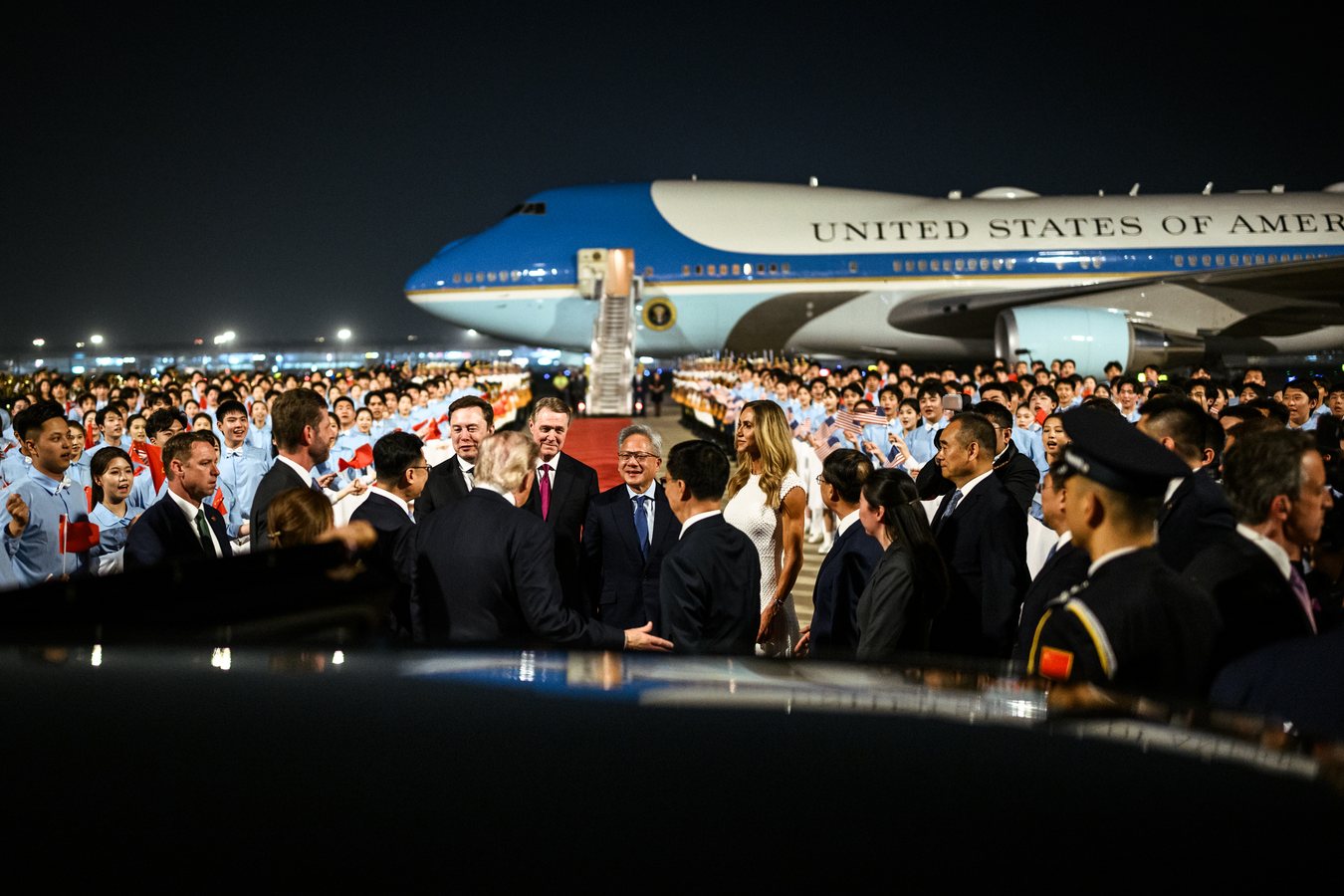
Donald Trump and Elon Musk are not simply “friends again.” Their relationship has entered a fifth distinct phase, and the distinction matters. The first phase was skepticism. The second was transactional cooperation. The third was an unusually close political alliance. The fourth was a spectacular rupture. The current phase is more cautious: direct communication, shared electoral interests and restored access without the assumption that the old intimacy has returned.
The skepticism came first. In late 2016, Musk said Trump was not the right person to be president. After Trump’s victory, however, he joined White House business advisory councils. Musk defended the decision as a way to influence policy from inside the room. That experiment ended in June 2017, when he resigned after Trump withdrew the United States from the Paris climate agreement.
Transactional cooperation emerged by 2020. Trump praised Musk as a major American innovator and backed Tesla during its dispute with California officials over reopening the Fremont factory during pandemic restrictions. The goodwill did not become ideological alignment. In 2022, Trump and Musk traded public insults, and Musk said the former president should retire from politics. In 2023, Musk hosted Florida Gov. Ron DeSantis’s presidential launch on Twitter Spaces, giving a platform to the Republican then positioned as Trump’s chief primary rival.
The third phase began on July 13, 2024. After an assassination attempt against Trump in Butler, Pennsylvania, Musk publicly endorsed him. Within weeks, Trump sat for a two-hour conversation with Musk on X. Musk floated the idea of a government-efficiency commission and volunteered to help. In October, he appeared at Trump’s rally in Butler. By election day, Musk had become one of the most important financial backers of the Republican effort, spending at least roughly $250 million on Trump and allied causes.
After Trump’s victory, political support became governing access. Trump announced that Musk and Vivek Ramaswamy would lead the drive behind DOGE. Trump’s January 2025 executive order established the U.S. DOGE Service, while a later White House court filing clarified Musk’s legal position: he was a White House employee and senior adviser, not the DOGE administrator, and he had no independent formal decision-making authority. That nuance did little to reduce his public identification with the cost-cutting drive.
The alliance peaked visibly in March, when Trump displayed Teslas at the White House and announced he would buy one. On May 30, Trump and Musk held a friendly Oval Office event marking the end of Musk’s period as a special government employee. The fourth phase began days later.
Musk condemned Trump’s large tax-and-spending bill, arguing it would worsen the national debt. Trump threatened Musk’s federal contracts and subsidies. Musk supported impeachment, briefly threatened to decommission Dragon spacecraft, and posted an unsubstantiated claim about Trump and unreleased Epstein-related material. He later deleted the claim; it did not establish any criminal involvement by Trump. On June 11, Musk publicly said some of his posts had gone too far.
Musk then announced an America Party in July, suggesting the breach might produce a durable political split. It did not. The repair began through back channels. JD Vance and Susie Wiles kept lines open. Musk and Trump shook hands at Charlie Kirk’s memorial in September. Musk returned to the White House for a state dinner in November. In January 2026, he donated $10 million to major Republican congressional fundraising vehicles.
The current fifth phase became unmistakable in May, when Musk traveled with Trump to Beijing and told the president’s team he intended to help Republicans in the midterms. America PAC is now planning at least $100 million in voter-turnout spending. Trump and Musk reportedly speak about once a month.
This is a working alliance rather than a restored bromance. Musk has said he got too involved in politics. Trump has told aides the relationship will not return to its former closeness. Both statements are compatible with what is happening: less theater, more utility. Their next chapter will be measured not by warm photographs but by whether the relationship survives the 2026 elections and the policy disputes that follow them.
54