
Memorandum
- From
- Connor Quincy via fox - Politics
- Date
- Filed
- Politics·4 min to read
- Re
Republican Senators Signal Openness to Immigration Deal Without Amnesty
ReRepublican Senators Signal Openness to Immigration Deal Without Amnesty
Republican senators are open to a new immigration deal after Trump's remarks, but are firmly opposed to amnesty.
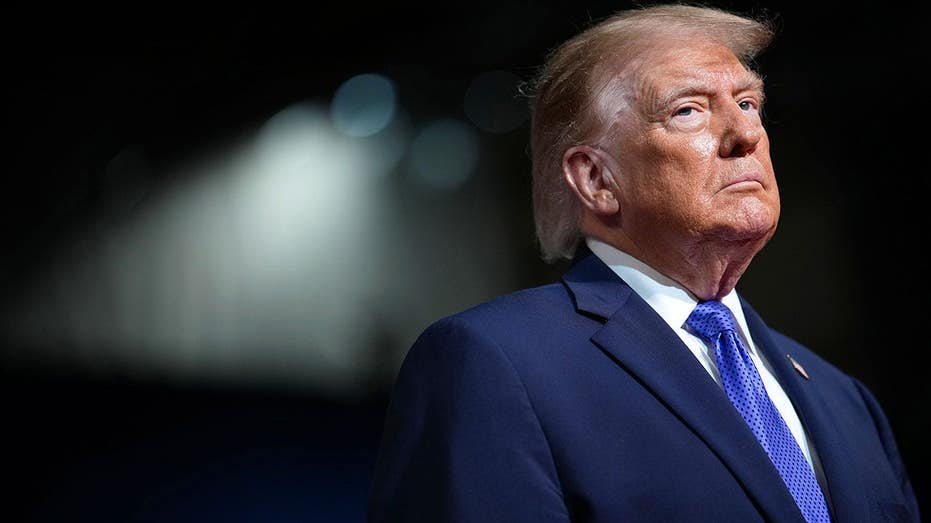
A group of Republican senators is openly acknowledging a return to immigration policy after Donald Trump signaled the possibility of a deal. Their main condition remains unchanged: no amnesty. The key question is whether Congress can find a compromise that satisfies both supporters of strict enforcement and those who believe the current course has gone too far.
In an interview with the program "60 Minutes," Trump said that enforcement measures could turn out to be "too harsh." He also suggested that people who have long lived in the country could be given the opportunity to work toward status as part of a deal. Shortly afterward, Homeland Security Secretary Markwayne Mullin stated that "there will be no amnesty." Senator Jim Banks expressed the same view: amnesty is out of the question.
Positions within the party differ. Senator Thom Tillis, who will not seek reelection, supports locking in reform based on the principle of merit and accuses Stephen Miller of blocking such an approach. Senate Majority Leader John Thune said he would listen to proposals. Senator Ted Budd, for his part, spoke in favor of ensuring that enforcement does not repeat the approach associated with the Noem era.
The political context is complex. According to a Fox News poll conducted in September, 53 percent of voters believe Trump's immigration policy has gone too far. In 2024, a bipartisan Senate immigration agreement collapsed after criticism from Trump. Senators Lankford, Murphy, and Sinema worked on the text, and the agreement provided funding for border security. Lankford is expected to chair the Homeland Security Committee next year, and Democrats are predicted to gain power in Congress.
At the same time, migration pressure at the border continues. Trump warned of an "invasion" at the southern border and threatened to double tariffs on goods from Mexico. A caravan of roughly 1,500 migrants moved north through Mexican territory but reportedly only reached Tapachula, far from the U.S. border. New York Times journalist Jack Nicas notes that Mexico typically disperses such caravans quickly, and the number of illegal border crossings remains near historic lows. On November 10, Mexico's National Guard detained about 100 migrants in the state of Chiapas.
The fate of the immigration agenda is closely tied to the elections. Vice President JD Vance, according to the New York Times, blamed Republican losses in the midterm elections on the war with Iran. The newspaper also reported that Trump, reportedly, removed Vance from the Iran negotiations so that he could focus on the fraud issue. Separately, California Republican Party chair Corrin Rankin announced that he will not seek another term, and a potential successor has already emerged.
For Senate Republicans, the issue remains tactical. They want to show voters toughness on border issues while preventing a solution that the party base would consider amnesty. For now, according to available information, no bill uniting both sides has been introduced, and the leaders' proposals are limited to a willingness to discuss options.
2

Source: Trump opens door to immigration deal, but Republicans have one condition