
Memorandum
- From
- Delaney Sawyer via IGN Articles
- Date
- Filed
- Business·3 min to read
- Re
Skydance controls Paramount and Warner Bros., raising questions about DC and crossover films
ReSkydance controls Paramount and Warner Bros., raising questions about DC and crossover films
With Skydance now controlling both Paramount and Warner Bros., questions are mounting over the future of DC Studios, the combined film libraries, and whether the studios will pursue crossover projects.
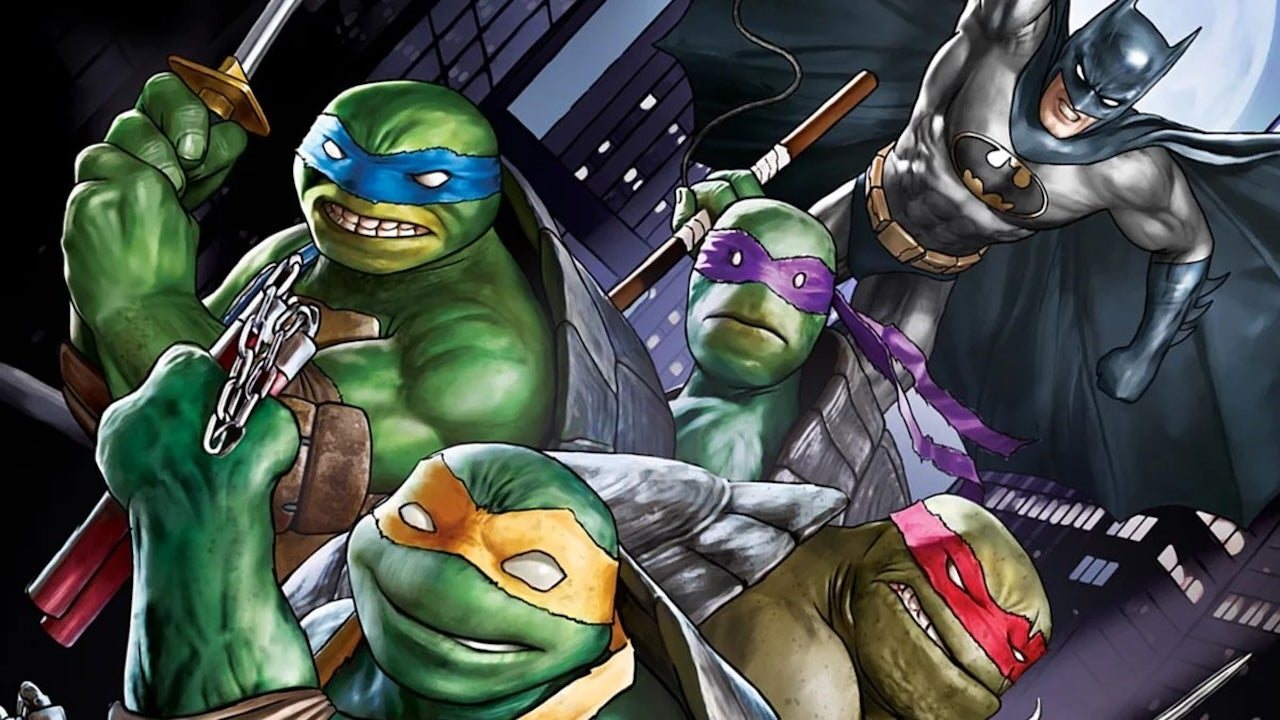
Skydance now controls both Paramount and Warner Bros., putting two of Hollywood's largest film and television libraries under one corporate owner. The consolidation raises open questions about how the combined studios will be run, what will happen to DC Studios and whether the companies will begin producing crossover films across their franchises.
Skydance carries roughly $87 billion in debt, and the company has said it aims to cut costs and maximize profits. Owning both studios gives it access to the Paramount and Warner Bros. intellectual property libraries, a set of franchises and characters that could be combined or reused in new ways. Analysts and commentators have pointed to that scale as the main reason crossovers might become more likely, though no such projects have been announced.
At DC Studios, Jeremy Latcham becomes president and chief creative officer on December 1. His arrival comes at a time when the direction of the studio after James Gunn and Peter Safran remains unclear. It is also an open question whether Skydance will reboot the DC Universe that Gunn has been building. According to the reporting, no new DC film or television slates are expected before the new year. The studio's recent release Clayface was a modest success, and Skydance may lean on bestselling brands such as Batman to anchor its plans.
Speculation about crossovers across the two studios has begun to circulate, but none has been confirmed. The notion of a Disney and Fox crossover has only recently surfaced in the wake of Avengers: Doomsday, which shows how the idea of cross-studio franchise mashups has been revived. Legal hurdles would complicate any such effort, including existing deals with producers and questions over credits that were negotiated under separate ownership.
Precedents exist for films that bring together properties from different studios. Roger Rabbit, The LEGO Movie and Ready Player One each combined characters or references from multiple sources. Batman and Teenage Mutant Ninja Turtles have already appeared together in animated and comic crossovers. Paramount has not yet produced a Transformers and G.I. Joe crossover, though those franchises are among the properties now within the same corporate family.
The reporting does not argue that crossovers should be pursued. Its author's position is that such projects are worth considering rather than advocated, and that the combined ownership makes the question harder to dismiss. Whether Skydance treats its libraries as a source of cost-cutting and profit or as a basis for new releases will shape the next phase of both studios. For now, the company has offered no timeline for those decisions, and audiences will have to wait for concrete announcements before the future of either slate becomes clear.
2

Source: Skydance Owning Both Warner Bros. and Paramount Could Open the Door to a Future of Crossover Slop