
Memorandum
- From
- Derek Weston via NYT - U.S.
- Date
- Filed
- Politics·4 min to read
- Re
Supreme Court Voter Database Ruling May Have Limited Midterm Impact
ReSupreme Court Voter Database Ruling May Have Limited Midterm Impact
The Supreme Court revived a controversial voter-citizenship database less than two months before the midterms, but election law experts say the ruling is unlikely to significantly change voter screening procedures in most states.
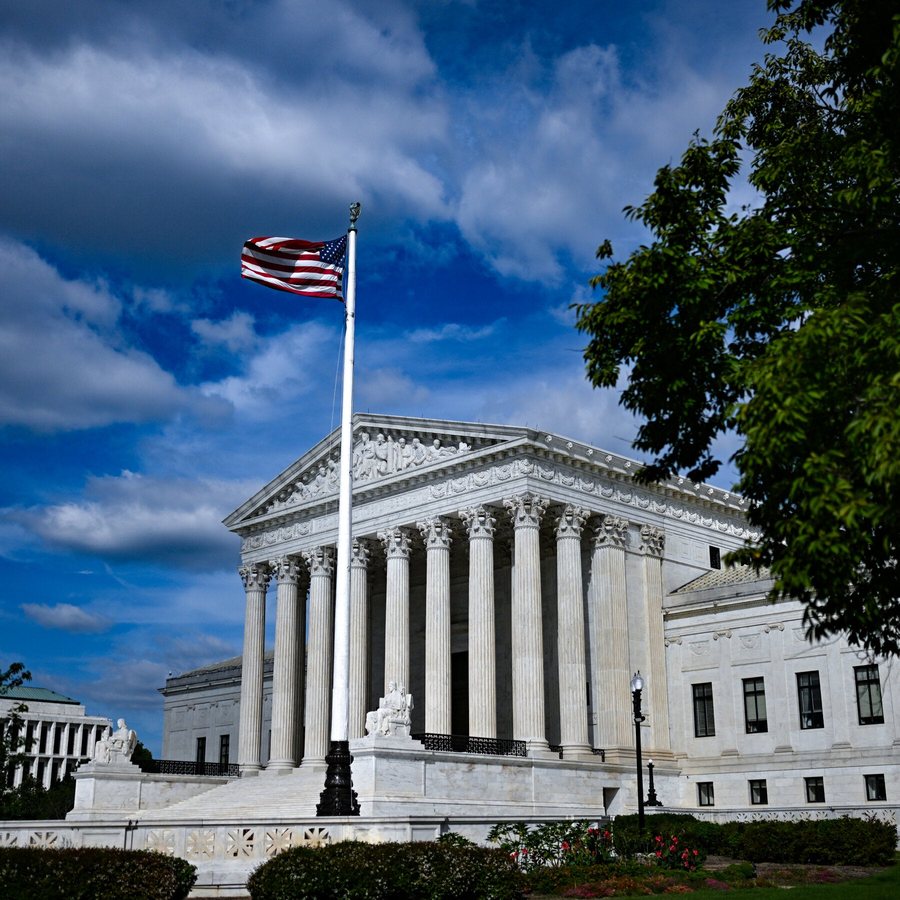
The Supreme Court has revived a controversial federal voter-citizenship database less than two months before the midterm elections, siding with the Trump administration in a decision that could reshape how states verify voter eligibility. The ruling allows the Department of Homeland Security to share citizenship data with the Election Assistance Commission, which oversees the federal voter registration form. But election law experts say the practical effect on the upcoming midterms may be limited.
«I think this is going to have very little impact on the midterms,» said Derek T. Muller, a law professor and election law expert at the University of Notre Dame. Muller's assessment suggests that despite the high-profile nature of the ruling, most states have their own voter verification systems and are unlikely to overhaul their procedures so close to an election.
The decision revives a database that was previously halted by lower courts, which had raised concerns about data accuracy and the potential for eligible citizens to be wrongly flagged. The Supreme Court's conservative majority sided with the administration, allowing the data-sharing arrangement to proceed while litigation continues. The ruling does not mandate that states use the database, but it permits federal agencies to provide citizenship information that states may choose to incorporate into their screening processes.
Election officials in several states have said they are reviewing the decision but have not announced immediate changes. With early voting already underway in some jurisdictions and the general election just weeks away, major procedural shifts are unlikely. The database's revival could, however, influence longer-term debates over federal involvement in election administration.
Voting rights groups have warned that the database could lead to erroneous purges of eligible voters, particularly among naturalized citizens and voters of color. They argue that citizenship data can be outdated or mismatched, leading to wrongful removals from voter rolls. Supporters of the database say it is a necessary tool to prevent noncitizens from registering and voting, a rare occurrence that nonetheless has been a focus of recent political attention.
The ruling comes as states have already certified their voter registration systems and trained poll workers for the midterms. Any changes to screening procedures would require time, funding, and administrative capacity that many election offices lack at this stage. Muller's comment reflects a broader consensus among election administrators that the ruling's immediate impact will be minimal.
Legal challenges to the database are expected to continue, and the issue could resurface in future election cycles. For now, voters are unlikely to see significant changes in how they register or verify their eligibility before casting ballots. The Supreme Court's decision may ultimately have a greater effect on the legal landscape surrounding election administration than on the day-to-day experience of voting in the upcoming midterms.
7