
Memorandum
- From
- Connor Quincy via FOX News
- Date
- Filed
- Politics·4 min to read
- Re
Schultz warns Democrats could create single-issue voters by ending school choice
ReSchultz warns Democrats could create single-issue voters by ending school choice
The CEO of the American Federation for Children says abolishing universal school choice could mobilize angry single-issue voters ahead of 2028, pointing to Florida's 2018 race and new Texas leadership pledges to roll back the program.
The chief executive of the American Federation for Children, Tommy Schultz, has warned that Democrats could galvanize a new bloc of angry, single-issue voters in 2028 if they move to abolish universal school choice. Schultz argues that families who depend on private school or homeschool options would be likely to organize against any party that takes them away, and he frames the issue as one that could decide future elections.
To make his point, Schultz offered a concrete scenario: a low-income single mother who loses access to a private school or homeschool arrangement for her children. He pointed to the 2018 Florida governor's race as evidence of how school-choice parents can shape an outcome, saying they helped Ron DeSantis win. In his telling, families who feel their options have been taken away are the kind of voters who turn out for a single cause rather than a broader party platform.
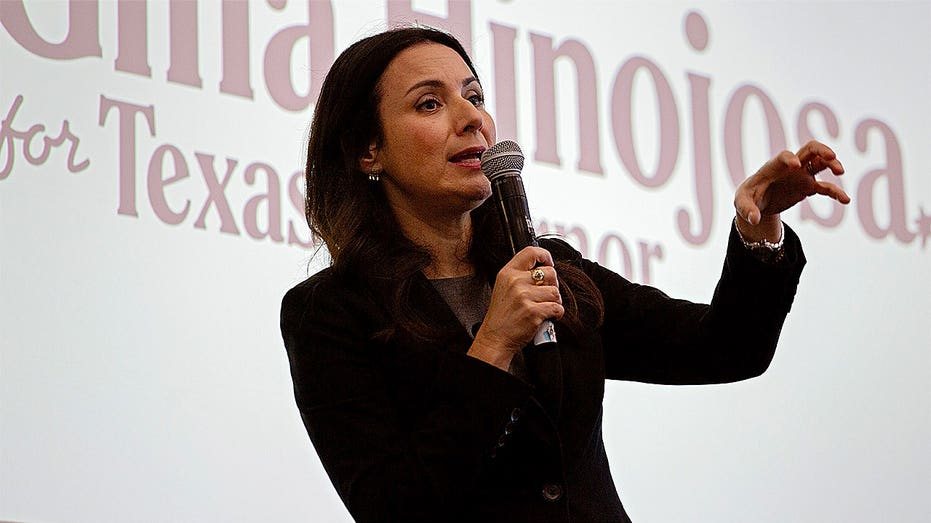
The warning comes as Texas Gov.-elect Gina Hinojosa, a Democrat, has vowed to reverse the state's school choice expansion. Hinojosa has also pledged to fire Texas Education Agency Commissioner Mike Morath, a move that would reshape the leadership of the state agency responsible for implementing the program. Hinojosa did not respond to a request for comment from Fox News Digital, so her specific plans for carrying out those pledges remain unclear.
The political backdrop has shifted in recent election cycles. Democrats gained governorships, and school choice laws in Iowa, Georgia and Nevada now face challenges. Republican governors, meanwhile, passed universal choice and parental rights measures in the years following the COVID-19 pandemic, a period that accelerated parental interest in alternatives to traditional public schools.
The debate is also playing out in local education budgets. Houston ISD voted to close 12 campuses because of declining enrollment, part of a broader pattern in which urban districts are losing students to alternatives. Kindergarten through 12th grade enrollment has fallen in more than half of U.S. states, which means that schools competing for students are operating with fewer resources and tighter budgets.
Political organizing around education has become a fixture of the campaign landscape. Conservative political action committees, including the American Principles Project and the 1776 Project PAC, have been active in school board races since 2022, contributing to a wave of contests in which parents and curriculum have become central issues. That organizing is one reason Schultz and other choice advocates see school policy as a motivator that can cut across traditional partisan lines.
Whether Democrats will actually roll back these programs remains uncertain, and no 2028 outcome has yet been decided. Schultz's remarks put the issue squarely on the table for the next presidential contest, but the policy path, the legal challenges now underway in several states, and the response of voters are all still unsettled.
2

Source: Democrats could create 'angry' 'single-issue' voters in 2028 if they remove school choice, CEO warns