Memorandum
- From
- Derek Weston via fox - Politics
- Date
- Filed
- Politics·4 min to read
- Re
Senior Trump officials move onto military bases amid Iran-linked threats
ReSenior Trump officials move onto military bases amid Iran-linked threats
Several top officials in the Trump administration, including Treasury Secretary Scott Bessent, have relocated to military installations around Washington, D.C., as threat levels against government figures rise.
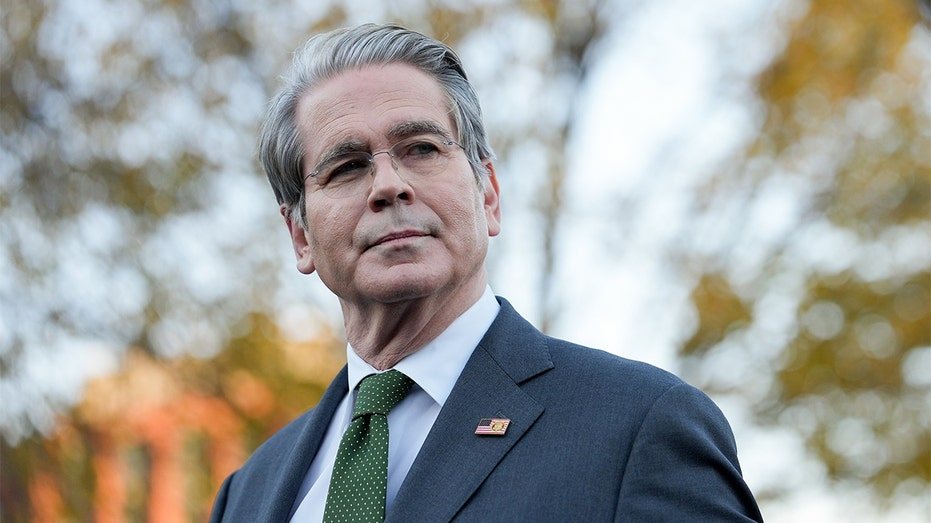
Several senior officials in the Trump administration have moved onto military installations around Washington, D.C., a shift that reflects growing concern about threats against top government figures. Treasury Secretary Scott Bessent is among those who have relocated to a military base over security concerns, according to the reporting.
Bessent's move followed the publication of a photo that made it possible to locate his home in Georgetown, a neighborhood in the capital. Officials cite threats linked to Iran, including reported assassination threats against Bessent. The reporting also points to past Iran-backed murder-for-hire and assassination plots against U.S. officials as part of the backdrop to the current security posture.
Attorney General Todd Blanche has reportedly relocated to a military base around March. Secretary of State Marco Rubio and Defense Secretary Pete Hegseth are reportedly living at Fort McNair in Washington. Stephen Miller and others have also moved to military installations or protected housing, the reporting indicates. Taken together, the moves show that the protective arrangements now extend well beyond a single agency or department.
Fort McNair is a historic Army installation on the Potomac River, with roots going back to the late 1700s. It houses the National Defense University and has traditionally been home to senior military leaders. An Army filing lists 27 historic homes built before 1919 on the base, a detail that underscores how long the post has served as residential space for the nation's most senior uniformed and civilian leaders.
The decisions appear to rest on threat assessments that draw on communications and social media. The Secret Service has reported that threats against its protectees rose more than 40 percent year over year, and roughly 10,000 threat cases had been recorded in 2026 as of the reporting. Concerns about political violence have intensified following the assassination of Charlie Kirk and attempts on the life of President Donald Trump, which officials cite as part of the wider environment shaping security decisions.
Former FBI deputy director Dan Bongino said cabinet-level officials commonly require details of this kind to be tightly managed. Former Secret Service agent Anthony Donadio suggested that a relocation of this kind may signal an extreme threat level, a reading that gives the moves weight beyond routine precaution.
The arrangements have also drawn congressional scrutiny. Rep. Whitesides won committee approval for a Pentagon report on officials living in military housing, setting up a formal review of how the arrangements work. Sen. Maggie Hassan has questioned a reported $415 million transfer from the Secret Service to White House construction, raising questions about how security funding is being allocated alongside the relocations.
Several questions remain open. It is not yet clear who approves such moves, whether officials pay rent for the housing they occupy, or what the arrangements mean for housing available to military families on the same installations. Those answers will shape how the policy is judged once the Pentagon report is delivered.
77