Memorandum
- From
- Connor Quincy via Fast Company
- Date
- Filed
- Politics·5 min to read
- Re
Seneca Nation says Trump’s Lake Ontario renaming violates 232-year-old treaty
ReSeneca Nation says Trump’s Lake Ontario renaming violates 232-year-old treaty
President Donald Trump’s executive order to rename Lake Ontario to Lake America has drawn sharp criticism from the Seneca Nation, which says the move violates a 1794 treaty signed by George Washington. Google Maps has already adopted the new name for U.S. users, sparking a social media backlash.
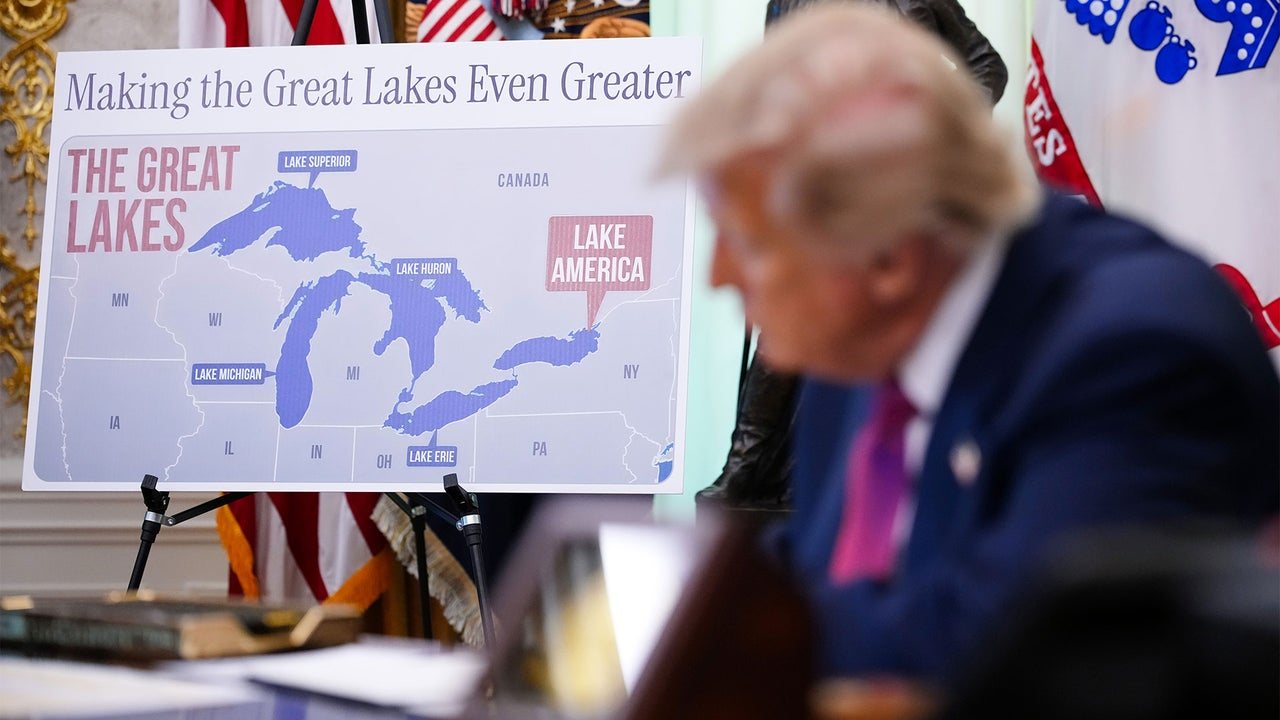
President Donald Trump’s executive order to rename Lake Ontario to Lake America has drawn sharp criticism from the Seneca Nation, which says the move violates a 232-year-old treaty signed by George Washington. The order, signed last week, directs the Interior Department to change the name of the lake, a step Trump framed as part of his ongoing trade fight with Canada.
J. Conrad Seneca, president of the Seneca Nation, issued a statement claiming the order violates the Treaty of Canandaigua, signed in 1794. The treaty established “peace and friendship” between the United States and Indigenous nations, including the Seneca Nation, and noted that the Seneca boundary begins “on Lake Ontario.” Seneca said Trump’s order “violates that peace, friendship and commitments of the Canandaigua treaty,” reflecting “blatant disrespect toward the Seneca people.”
“This is the latest in a long history of willful attempts to disregard the United States’ commitments to the Seneca and other Haudenosaunee nations,” Seneca said. “President Trump needs to be reminded of those commitments.” He also pointed to the Indigenous origins of the lake’s name, noting that “Ontario” comes from the Wendat word “oniatarí:io,” meaning “lake of shining waters,” while the traditional Seneca name is “sga:nyodai:yoh,” meaning “beautiful lake.”
“The President cannot assert ownership over our culture or erase it through irresponsible political action. His order should be rescinded, and the name Lake Ontario should be left as it is, reflective of the Seneca people, other Haudenosaunee nations and all Indigenous people surrounding the lake,” Seneca said. “To us, Lake Ontario is not a political pawn. It does not separate the countries of the United States and Canada. It is all Indigenous land, which has been occupied by Indigenous people since time immemorial.”
Seneca also highlighted that Article 6 of the Constitution refers to treaties as “the supreme Law of the Land.” Canadian Prime Minister Mark Carney also commented on the order, pointing out that Lake Ontario’s name “is more than 400 years old, predating both the Confederation of Canada and the Declaration of Independence of the United States of America.” Carney wrote on X that “naming reality means calling it Lake Ontario—then, now and always.”
The order comes amid escalating trade tensions between the U.S. and Canada. Earlier in August, the United States imposed 50% tariffs on hundreds of Canadian goods, prompting Canada to respond with similar tariffs on U.S. goods set to take effect in September. Before signing the order, Trump posted on Truth Social that the U.S. was considering changing the name of the lake because “we don’t expect to be doing much business with Ontario any longer.”
Google has become the first major mapping platform to comply with the order. Users in the U.S. will see the lake labeled as “Lake America,” while users in Canada will still see “Lake Ontario.” Users in other countries will see both names. Other leading map platforms, including Apple Maps and MapQuest, still show the lake as “Lake Ontario.”
The change has sparked a social media backlash, with one viral post calling the platform “so fucking embarrassing” and “genuinely pathetic stuff,” garnering 4.9 million views. A response post claimed Google is “actively violating tribal rights with the Seneca Nation by doing this.” Another user worried that “tech companies quietly accepting something so outrageously false makes me scared for when a government really goes hard with historical revisionism.”
In response to a request for comment, a Google representative pointed to the company’s blog post on the change. The post explains that Google Maps reflects “official government sources,” which in the U.S. means the Geographic Names Information System. Since the GNIS changed the name of Lake Ontario to Lake America, Google followed suit. “These updates follow our long-standing policy for bodies of water with names that vary from country to country, and are starting to roll out now,” the post concludes.
The backlash is similar to that faced by Google after Trump signed an executive order to rename the Gulf of Mexico to the Gulf of America in 2025. Then, too, Google followed Trump’s lead and changed the name of the gulf on its maps, though as a private mapping company, it is not obligated to use the president’s preferred names, even if they are made official by the GNIS.
49