Memorandum
- From
- Connor Quincy via TIME.com
- Date
- Filed
- Society·5 min to read
- Re
Food-Waste Experts Share the Kitchen Habits That Keep Good Food Out of the Trash
ReFood-Waste Experts Share the Kitchen Habits That Keep Good Food Out of the Trash
Sustainability researchers and food scientists say small routines — from a weekly «kitchen-sink potato» to freezing soup flat — close the gap between the meals shoppers imagine and the food they actually eat.
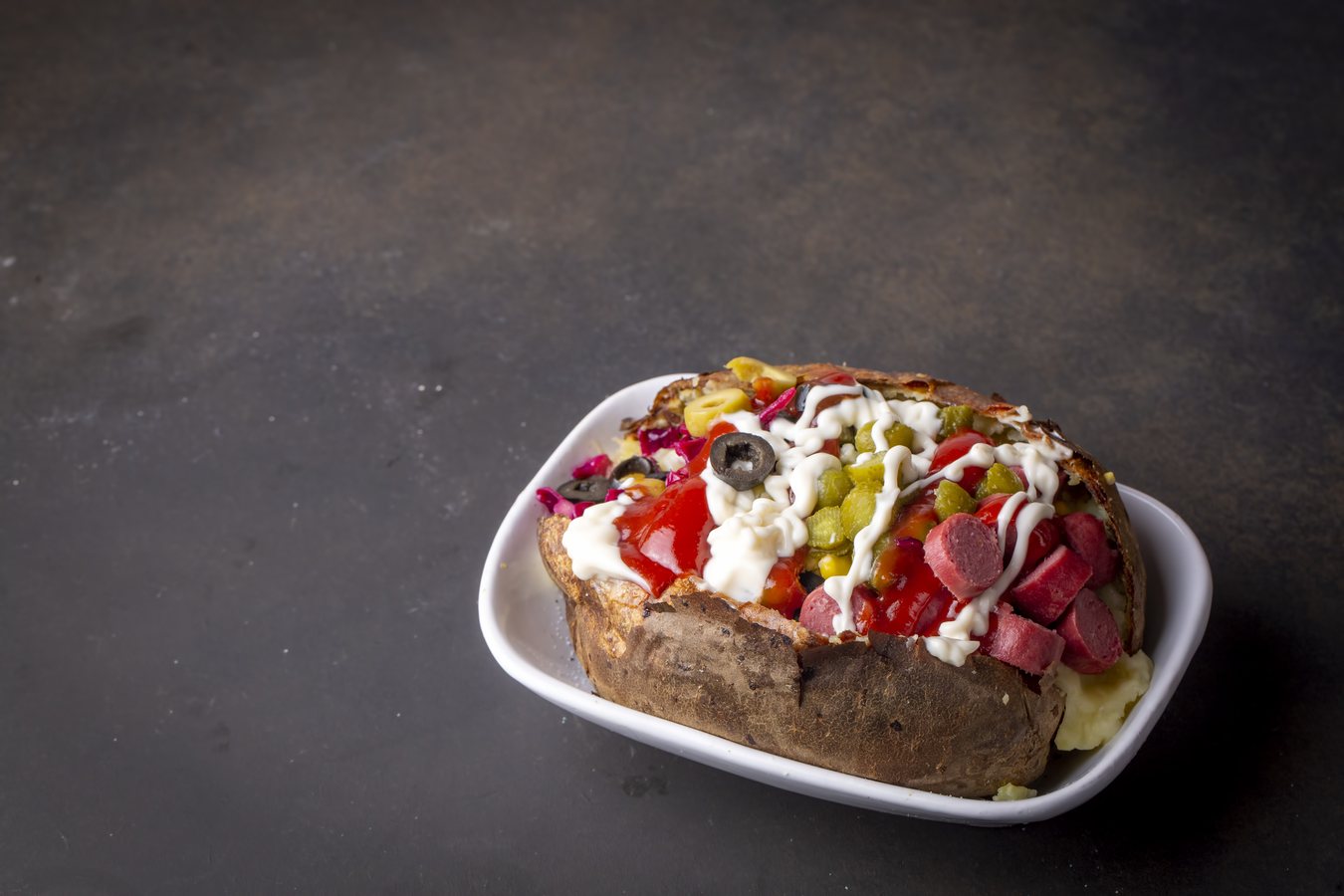
The distance between the produce shoppers picture themselves cooking and the food that actually gets eaten is short, and even the researchers who study food waste fall into it. Shelie Miller, who studies sustainability at the University of Michigan, describes buying an acorn squash on impulse because «it's fall. I'm feeling the fall vibes.» A week later, the squash is still sitting there. The habits that keep that from happening, several experts say, are less about discipline than about planning and a willingness to improvise.
Miller and her husband try to shop from a shared list and decide what they will do with each item before it enters the cart. That single step — knowing the plan for a purchase — recurs across the routines described by researchers who study household food waste. Brian Roe, a professor of agricultural, environmental and development economics at Ohio State University who leads its Food Waste Collaborative, applies the same logic to storage. He buys apples in bulk but keeps them in the refrigerator rather than on the counter, where he says he is far more likely to toss a few before finishing the bag.
One of Miller's weekly habits is what she calls a «kitchen-sink potato» — or, less delicately, a «garbage potato.» She bakes a potato and piles on the odds and ends left in the refrigerator: leftover fajita vegetables, small portions from other meals, whatever needs a destination. The toppings change often enough that her husband plays a guessing game about what the potato will be each week. The approach solves a common problem: having some food left over but not enough to count as a meal. «It's such a great blank canvas,» she says, though her own loyalty runs to the potato over a stir-fry.
Jonathan Deutsch, a professor of food and hospitality management and founding director of the Drexel Food Lab, argues that cooks throw away some of the best food in the kitchen. He has watched people buy cases of broccoli, cut off the florets and discard the stems, which he calls «one of the most delicious vegetables.» The night before a recent conversation, he made broccoli salad with tahini and chili crisp, peeling the woody exterior of the stem, cutting up the tender interior and air-frying it alongside the florets. «The same care and love that went into the florets,» he says, «went three inches lower into the stem.»
Both experts also plan for the second half of an ingredient. A recipe calling for half a cabbage leaves the other half needing a purpose; Miller and her husband try to answer that question before they start cooking, whether the answer is cabbage rolls, soup or a roasted side. The same thinking covers tomato paste left in a can or an extra chicken breast in a package. Deutsch starts from the opposite direction, checking what is already in his kitchen before deciding what to buy. When his daughters were teenagers and announced there was nothing to eat, he could usually assemble a meal from a can of tuna, a can of beans or chicken in the freezer. «Instead of generating more waste that you have to deal with,» he says, «you're taking surplus food and you're making it into new things that you want to eat.»
Freezers, the experts concede, can become a trap. Miller describes food disappearing into «the abyss of a freezer,» only to resurface years later as freezer-burned chicken and chili. She and her husband now shop their freezer before deciding what to buy or cook, which sometimes reveals that lunches are already covered for the week. When a big batch means eating the same dinner several nights running — «by the fourth day, the last thing you want is more gumbo,» she says — they eat leftovers for a day or two and freeze the rest. Her husband freezes soups and other liquids flat in zip-top bags on a sheet pan, producing what she calls «little folders of soup» that stack neatly and take up less space than bulky containers.
Deutsch keeps a bag in his freezer for the parts of dinner that never reach a plate: onion trimmings, mushroom bits and herb stems. When he is ready to make stock, the work is partly done. «Stock is like magic,» he says, noting that it can also replace water when cooking rice, polenta or vegetables. The thread running through all of it is simple: buy with a plan, store what you can, and treat the parts of an ingredient that usually get discarded as food in their own right.
2