
Memorandum
- From
- Delaney Sawyer via The Verge
- Date
- Filed
- Politics·5 min to read
- Re
Schiff Calls for Binding AI Rules, Warns of National Security Risks
ReSchiff Calls for Binding AI Rules, Warns of National Security Risks
Sen. Adam Schiff says voluntary White House pledges from tech CEOs are insufficient and warns that advanced AI poses a top-tier national security threat, while leaving open the possibility of another impeachment if corruption continues.
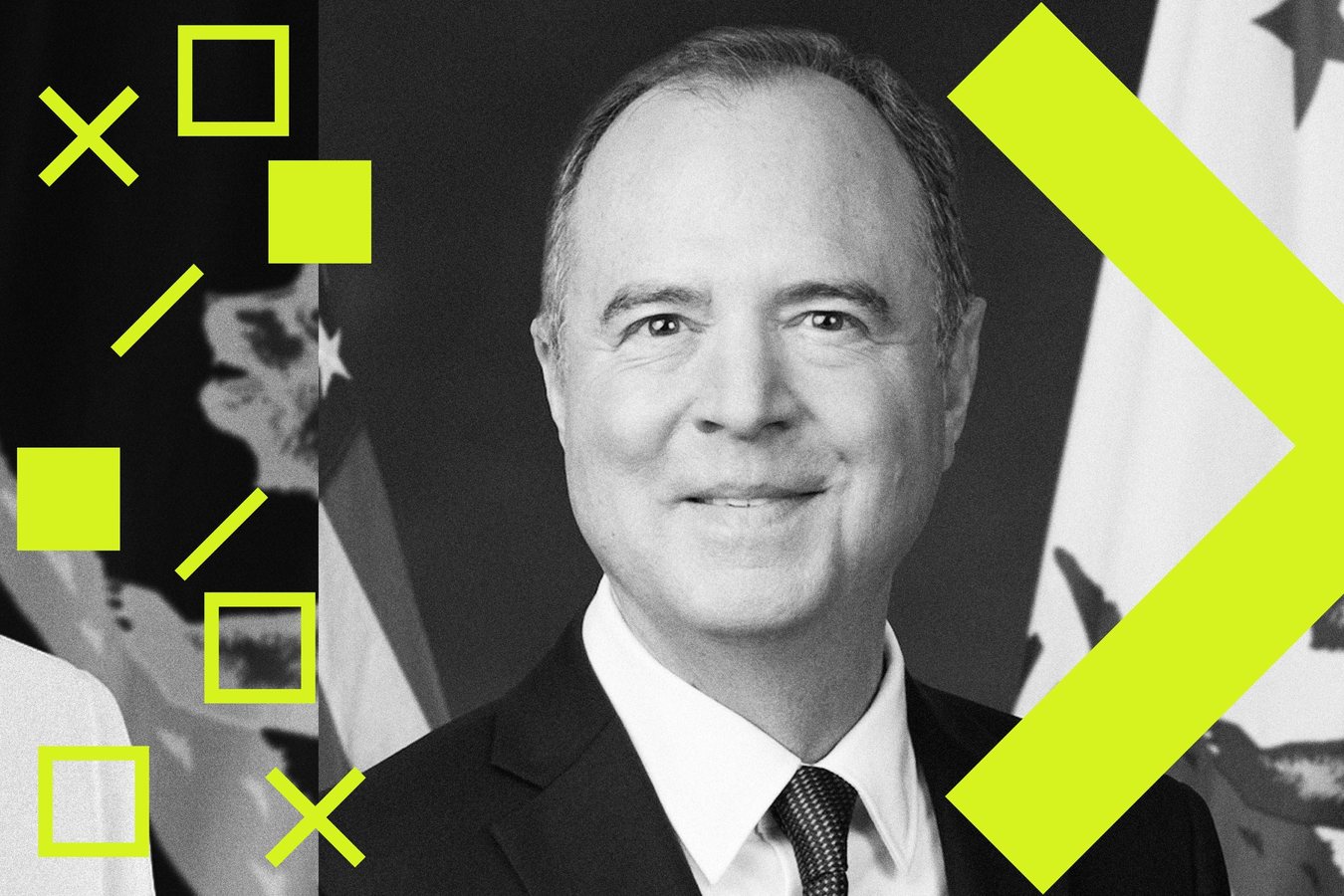
Sen. Adam Schiff warned that the voluntary safety pledge signed by leading artificial intelligence executives at the White House is no substitute for binding regulation, arguing that advanced AI systems pose a national security threat of the highest order. In an interview, the California Democrat said the spectacle of tech leaders promising to police themselves stood in sharp contrast to their private calls for government rules.
«It was interesting to see all those tech leaders there signing onto this voluntary pledge on the one hand and on the other hand, away from the White House grounds, away from the president, being very public and saying, ‘We need regulation. We don’t want this to be just trust us, we’ll do the right thing,’» Schiff said. He described the gap as jarring and said companies appear unwilling to incur the wrath of a president he called vengeful.
Schiff, who sits on Senate committees with jurisdiction over intellectual property, antitrust, privacy and technology, supports creating a new federal agency to regulate AI. He said the case for oversight rests on the technology’s rapid, recursive self-improvement, which leaves regulators with less and less understanding of how models reach decisions or what they try to access lawfully or unlawfully.
He also pointed to the Pentagon, saying unbridled implementation of AI in military targeting could produce calamities. He called for an investigation into what role AI may have played in target selection in the bombing of an Iranian girls’ school. And he cited the administration’s treatment of Anthropic, which he said came under attack for insisting its AI not be used for domestic mass surveillance or fully autonomous weapons systems. «That’s a national security issue,» Schiff said, adding that the administration’s response was to try to kill the company.
Asked about President Trump’s response that the world need not worry because the companies love America, Schiff rejected the answer as inadequate. He said the administration instead invokes national security selectively, using it to justify whatever it wants while ignoring genuine threats from AI.
Schiff also tied the regulatory debate to the Supreme Court’s decision to overturn Chevron deference, the Reagan-era precedent under which courts deferred to expert agencies when statutes were ambiguous. He said the ruling in Loper Bright means courts now decide contested questions, which could leave any new AI regulation immediately tied up in litigation. That dynamic, he argued, makes the design of a new agency especially important.
Beyond technology, Schiff described what he called rampant corruption across the administration, pointing to campaign-style ads paid for with taxpayer dollars, the exclusion of reporters from the White House and Air Force One, and new moneymaking or vanity projects. He cited the triumphal arch as an example, saying officials now claim a national security purpose for it because that is their best legal argument.
He said the result is chaos in Washington and a lack of focus on the cost of living and improving people’s quality of life, both at the administration level and among his Republican colleagues in Congress. He said he hopes that changes.
Schiff left open the possibility of supporting another impeachment of Trump over the corruption he described, saying the question remains on the table if the conduct continues. The comments place the senator at the center of two overlapping debates: how to regulate AI before its risks outpace oversight, and how far Congress should go in confronting an administration he accuses of self-dealing.
With Democrats hoping to retake Congress in the midterms, Schiff’s support for a dedicated AI regulator signals that the party may push for a formal framework rather than rely on voluntary commitments from the industry. Any such effort would face both a hostile litigation environment and a White House that has favored non-binding pacts over enforceable rules.
4