Memorandum
- From
- Connor Quincy via fox - Most Popular
- Date
- Filed
- Politics·4 min to read
- Re
Rural Voter Erosion Puts Republican Heartland Seats in Play
ReRural Voter Erosion Puts Republican Heartland Seats in Play
Once a reliable Republican stronghold, rural America is showing signs of slippage ahead of November, with cost-of-living worries, weak job prospects, and a wave of independent Senate candidates narrowing GOP margins in states like Florida and Nebraska.
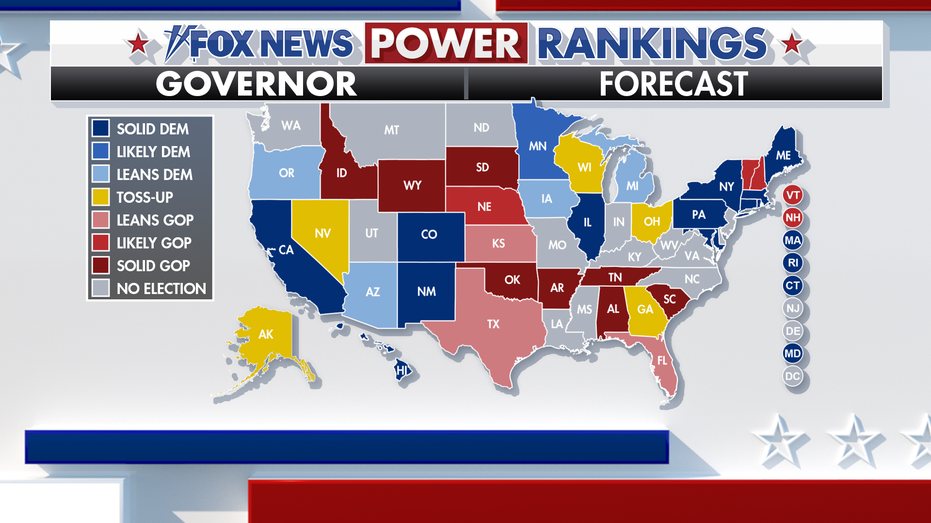
Republicans are confronting an unfamiliar problem in the rural heartland: the voters who once delivered them lopsided victories are drifting. Nearly two-thirds of rural voters backed President Trump in 2024, but just under half now say they will support the GOP again in November, according to a Fox News Power Rankings analysis. The shift is putting once-safe seats in play and forcing candidates to recalibrate their messages in the final weeks of the campaign.
The erosion is driven largely by economic anxiety. Nineteen percent of rural voters named the rising cost of living as their biggest economic problem, with gas and energy costs close behind. Fewer than a quarter rate the economy as good, and 8% cite a lack of jobs and unemployment as their top concern. Only 28% believe their communities offer good or excellent job opportunities. The Trump administration has pointed to job growth and the AI boom as counterweights, but those arguments are not landing with rural voters who feel squeezed.
Data centers have emerged as a surprising flashpoint. Just 2% of rural voters call them their biggest economic problem, but that share is larger than it appears — for 1 in 50, data centers rank as a bigger concern than housing, the cost of living, or finding work. The frustration is contributing to tighter races across the map, including in heartland states like Ohio and Iowa and in rural districts Trump carried by double digits that are now margin-of-error contests.
There are structural warning signs beyond the polling. In Wyoming, where Trump won 71.6% of the vote two years ago, a Republican candidate is running ads this week that do not mention Trump or the GOP. Low rural turnout or party switching could narrow margins in Florida, Mississippi, and South Carolina.
A new complication comes from independent candidates in four rural-heavy Senate states: Idaho, Montana, Nebraska, and South Dakota. These independents are campaigning on congressional term limits, lobbying bans, and anti-corruption themes — the top voter concern in a recent Fox News poll — and all say they would not caucus with either party. With the Democratic brand weak in these states, the party has stepped out of three of the four races entirely, leaving frustrated partisans a different outlet. In Montana, a Democrat remains on the ballot but her support has declined. The result could be narrower margins than Republicans are used to in states that have been competitive over the past decade, including Montana, where former Sen. Jon Tester held on in 2018, and South Dakota and Nebraska, where Republicans won by single digits.
Two gubernatorial races are also tightening. Florida, the heart of the MAGA movement, moves from Likely Republican to Lean Republican in this week's rankings. Trump and Gov. Ron DeSantis have posted strong results, and Republicans hold a 1.5 million registered-voter advantage, but DeSantis' first win came by about 30,000 votes in a similar environment. Hispanic voters, who broke heavily for Trump in 2024, now favor the Republican candidate by 31% nationally — down 12 points. Rep. Byron Donalds has DeSantis' endorsement and still leads Democrat David Jolly, who is appearing with former President Bill Clinton to shore up support.
In Nebraska, Gov. Jim Pillen seeks a second term after a 23-point win, but suburban and rural wavering on Trump could make this race tougher. The presence of independent Dan Osborn on the Senate ballot may boost Democratic turnout for challenger Lynne Walz, and Pillen has faced local pushback over a 5% budget cut and a hiring freeze in state government. With two weeks of campaigning left, the rural vote is no longer a guaranteed Republican asset.
5