Memorandum
- From
- Delaney Sawyer via fox - Most Popular
- Date
- Filed
- Politics·4 min to read
- Re
Researchers find 30 unofficial campaign merch stores selling Texas candidates' gear
ReResearchers find 30 unofficial campaign merch stores selling Texas candidates' gear
A cybersecurity firm identified 30 online stores posing as official merchandise shops for Texas candidates, none of which could be verified as campaign-operated, with most traced to two sellers.
Thirty online stores selling merchandise for Texas political candidates presented themselves as official campaign shops, but a cybersecurity investigation found no evidence that any of them were connected to the campaigns they promoted. Researchers at Attaxion, a company that helps organizations identify vulnerable websites and online threats, said they could not verify an official campaign link for any of the 30 stores. Nearly all of them appeared to come from just two sellers, even though the stores sold gear for candidates from both major parties.
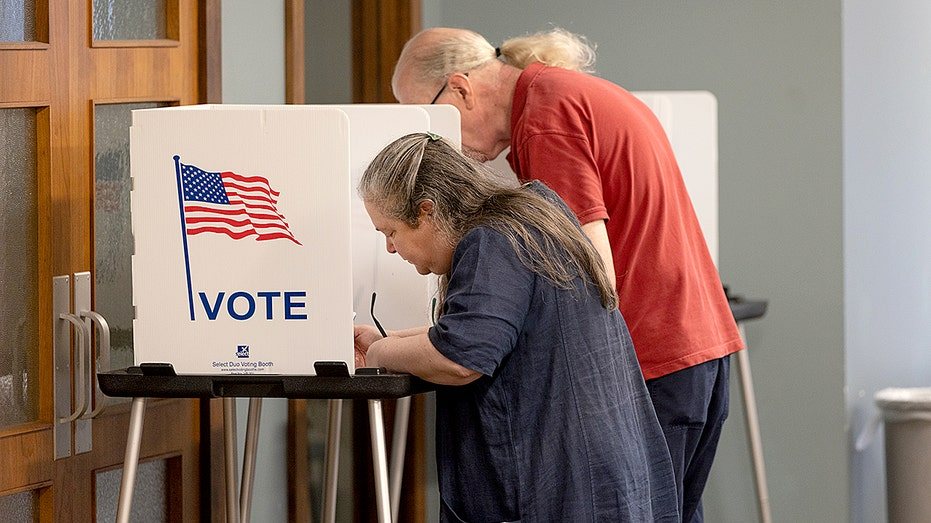
The findings come as Texas voters head to the polls ahead of the Nov. 3 midterm elections. Early voting for the general election began Oct. 19 and runs through Oct. 30. The FBI has also warned about election-related scams involving fake merchandise, fraudulent donations and websites designed to steal personal information. While the investigation focused on Texas, the researchers said the warning signs apply to elections and online shopping nationwide.
Attaxion examined domains tied to the state's U.S. Senate race, its governor's race and six competitive congressional districts, along with websites resembling election offices and voter information pages. The researchers first identified 704 domains. After excluding 25 official sites and 53 domains connected to campaigns or election offices, 626 unofficial addresses remained. Of those, 553 had DNS records, meaning they had some internet configuration, though that alone does not show that each hosted an active website. The Senate race accounted for 323 unofficial domains, 75 referenced House candidates and 70 used gubernatorial candidates' names.
The researchers stressed that an unofficial domain is not automatically a scam, since some may belong to supporters, critics or independent businesses. The smaller group of 30 merchandise stores drew closer attention because they promoted products tied to Republican U.S. Senate candidate Ken Paxton and Democratic opponent James Talarico, as well as Republican Gov. Greg Abbott and his Democratic challenger, Gina Hinojosa. Other stores featured congressional candidates.
Alexandre François, a research contributor at Attaxion, said the pattern raised questions about motive. "Two things stood out. The first is how little the politics seem to matter to the people selling," François said. In Texas's 23rd Congressional District, stores supporting the Republican and Democratic nominees appeared to share an operator. Researchers traced most of the merchandise websites to two seller identities, ShirtGoat and madetoprints. ShirtGoat appeared to operate 12 stores and was likely connected to two more, while madetoprints was associated with another 15.
The sellers used similar website templates and swapped out candidates' names and merchandise. Some sites also borrowed slogans from official campaign products. When Talarico's campaign responded to a political nickname with an "I'm a Talafreako" shirt, similar products appeared in three unofficial stores. "It suggests that the motive is most likely commercial rather than political," François said. "Someone with a political agenda would be unlikely to sell merchandise for both sides of the same race."
Researchers also found that several domains were registered on the same day, and some stores reused identical policies with only the candidate's name changed. A few terms-of-service pages contained apparent chatbot responses left behind during creation, suggesting some operators may be building these stores quickly and repeatedly. The researchers could not establish the legal identities of the people controlling all the websites, and they noted how convincing such stores can appear to shoppers who assume a purchase supports a campaign.
6