
Memorandum
- From
- Delaney Sawyer via Fortune | FORTUNE
- Date
- Filed
- Politics·6 min to read
- Re
Berkeley and San Francisco voters decide on public bank measures
ReBerkeley and San Francisco voters decide on public bank measures
Voters in Berkeley and San Francisco will decide Tuesday whether to take steps toward local, government-owned public banks, with Berkeley weighing a parcel tax to fund a regional lender and San Francisco considering a municipal finance corporation that could later seek to become a public bank.
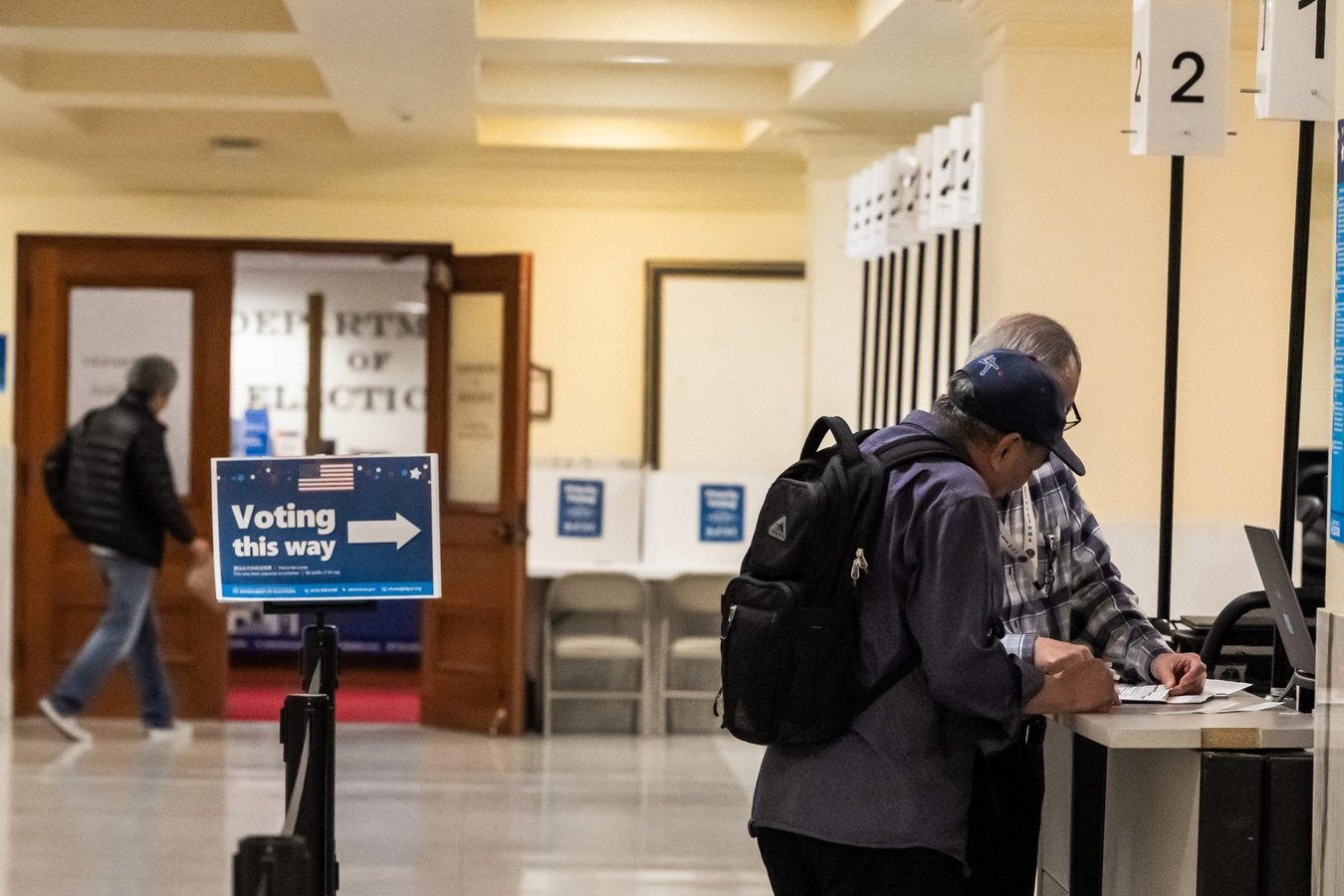
Voters in Berkeley and San Francisco will head to the polls Tuesday to decide whether to take a step toward public banks, government-owned lenders that would hold deposits and finance projects such as affordable housing and small businesses. The push for local public banks gained momentum after the Occupy protests that followed the 2008 financial crisis, and fifteen years later, proposals are on the ballot in two Bay Area cities.
Supporters say public banks could finance local housing and businesses that struggle to get loans from traditional lenders, while critics question the costs and financial risks. The two measures take different approaches. Berkeley's Measure Z would impose a six-year parcel tax projected to raise $58.3 million to help fund a regional public bank serving the East Bay. San Francisco's Proposition B would authorize a city-owned lending institution that could eventually become a public bank, but it would not provide startup funding.
Under Measure Z, residential improvements would be taxed at $0.06 per square foot annually and nonresidential improvements at $0.09 starting in January 2027, with annual adjustments. A 2,000-square-foot home would owe $120 in the first year, and the city estimates the tax would generate $9.2 million that year. Revenue would enter a special fund to capitalize and support a public bank whose service area includes Berkeley, and returns earned by the fund would be reinvested for the measure's designated purposes.
Debbie Notkin, a board member of the campaign committee Keep Berkeley Money Local, said the bank could help finance smaller projects that she argues large lenders often overlook. Examples include a food truck seeking $50,000, a housing developer needing to secure vacant land, or businesses installing solar panels. « The idea over time is to divert as much public money as possible back to the places where the people who pay it in can benefit from it, » she told Fortune.
Paul Mathew, a longtime Berkeley resident and an organizer with Affordable Berkeley who opposes Measure Z, said his objection centers on the funding arrangement rather than public banking itself. He supports goals such as financing affordable housing, small businesses and green infrastructure, but argues neighboring communities should contribute to an institution serving the wider East Bay. « Why is only Berkeley paying for this regional bank? » he told Fortune. « Everyone should pitch in. »
Mathew added that the commercial property tax could add costs for business tenants before they receive any financing benefits. He also questioned the evidence supporting projected financial returns and warned that loan defaults would put the investment at risk. Notkin argues Berkeley would also benefit from investments in neighboring communities and said supporters expect the bank to generate profits over time.
In San Francisco, Proposition B would amend the city charter to authorize a municipal finance corporation, a publicly owned nonprofit lender that could make loans but would not accept deposits. The city would first need sufficient funding and resources to establish it. After at least three years of operation, the corporation could seek regulatory approval to become a public bank. Its priorities would include affordable housing, small businesses and environmental sustainability, and the measure would prohibit investments in specified industries, including fossil fuels, tobacco, weapons and prisons.
An oversight commission would appoint the board responsible for running the institution, but the measure would neither provide startup funding nor specify how much capital it would need. Supervisor Jackie Fielder, a supporter of the proposal, said it would create « an institution run by real bankers that is accountable, nevertheless, to public priorities and public policy priorities, » KQED reported in July. Funding could come from city appropriations, grants, foundations or bank contributions.
According to a city controller's analysis cited by the San Francisco Public Press, establishing and operating the institution and transitioning it into a public bank could cost $310 million to $460 million over eight years. Actual costs could vary substantially with interest rates and economic conditions. Supervisor Alan Wong, who voted against placing the measure on the ballot, said running a bank would require financial expertise, transparency and protection from political pressure. « Our city's track record shows that meeting those demands is harder than it sounds, » he said, according to Mission Local.
Even if voters approve the measures, neither bank would be ready to open its doors soon. California's framework for local public banks, which took effect in 2020, requires state authorization and federal insurance. Notkin estimates the East Bay bank could open in 2028, pending funding and approvals. If it has not received authorization by June 2033, Measure Z would allow the fund to make loans for its designated purposes. Mathew said he would push for lending concentrated in Berkeley and close oversight if the measure passes, and that he would consider a proposal with shared regional funding if it fails.
In San Francisco, a yes vote would leave city officials with the next question of how to pay for the institution. In Berkeley, Notkin and Mathew expect it could take a week or two before the outcome is clear.
2

Source: Inside the public bank initiatives on the ballot in Berkeley and San Francisco