
Memorandum
- From
- Caroline Mercer via RawStory - World News
- Date
- Filed
- Politics·5 min to read
- Re
Marco Rubio helped end probe of Venezuela oil deal partner, report says
ReMarco Rubio helped end probe of Venezuela oil deal partner, report says
Secretary of State Marco Rubio helped shut down a federal investigation into a businessman now partnering with the Trump administration on a Venezuelan oil deal, then publicly claimed no probe existed, according to a CNN report.
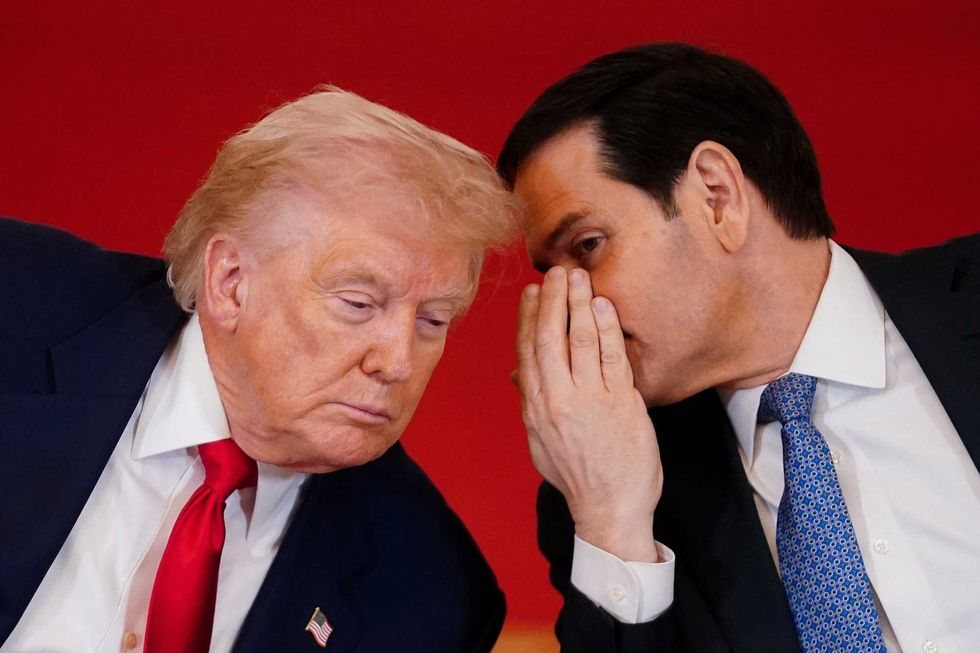
Secretary of State Marco Rubio played a key role in ending a federal investigation into a Venezuelan businessman who later became a partner in the Trump administration’s massive oil deal with Venezuela, according to a new CNN report. Rubio then publicly stated that the businessman had never been under investigation, the report said.
The businessman, Alejandro Betancourt, had spent years under scrutiny by the Justice Department as part of a sprawling billion-dollar money laundering case. Prosecutors in Miami recently closed the probe after receiving direct orders from then-Deputy Attorney General Todd Blanche, CNN reported. The move came as Trump White House officials and Rubio worked to enlist Betancourt to engineer a major oil agreement with Venezuela’s government.
In an interview this week with a Venezuelan broadcaster, Rubio took credit for helping arrange Betancourt’s role in the oil deal and defended the businessman as fully vetted. “We thoroughly investigate what we know within our system,” Rubio said. “Obviously, if these individuals were under investigation in the United States, and we have checked that with all the authorities, there was no investigation within our system against him.”
According to CNN, Rubio did not disclose that he “played a key role in why Betancourt is no longer under investigation.” Betancourt, now a partner in the Venezuelan oil plan, was never charged with a crime. The Justice Department disputed that Blanche personally directed prosecutors to shut the case, calling the claim “a complete fabrication,” the report said.
Rubio framed the oil deal as an opportunity with broad benefits. “Now we have an opportunity to do something that I believe is going to benefit everyone,” he said in the interview. “But specifically, in the long term, benefit the Venezuelan people.”
The report raises questions about the administration’s vetting process for business partners in high-stakes foreign policy ventures. It also highlights the intersection of political appointments, federal prosecutorial decisions, and international dealmaking under the Trump administration.
The development comes amid broader scrutiny of how the administration handles investigations involving individuals connected to its policy goals. Critics have pointed to the closure of the Betancourt probe as an example of political influence over law enforcement decisions, while administration officials have defended the oil deal as a strategic move to pressure Venezuela’s government and open economic opportunities.
Betancourt’s history includes previous legal challenges. He had been under investigation as part of a case involving allegations of money laundering tied to Venezuelan funds. The closure of the Miami probe without charges means Betancourt faces no legal consequences in the United States, allowing him to participate freely in the oil venture.
The oil deal itself is part of a broader administration effort to reshape U.S. relations with Venezuela, which has been under heavy sanctions during Nicolas Maduro’s presidency. The administration has sought to increase pressure on Maduro while also exploring economic openings that could benefit U.S. interests and the Venezuelan people.
Rubio’s comments in the interview suggest the administration views Betancourt as a reliable partner despite his past legal troubles. The secretary of state’s role in both ending the investigation and promoting the businessman’s involvement has drawn attention from watchdog groups and legal experts who question whether the process was properly followed.
The Justice Department’s denial of Blanche’s direct involvement adds another layer of complexity to the story. If Blanche did not personally order the closure, the question of who made the decision remains unresolved. The department has not provided further details about how or why the case was closed.
For now, the oil deal proceeds with Betancourt as a partner, and Rubio continues to defend the arrangement as beneficial to all parties. The full extent of the administration’s involvement in ending the investigation may not be known until further reporting or congressional scrutiny emerges.
148