
Memorandum
- From
- Caroline Mercer
- Date
- Filed
- News·4 min to read
- Re
Why Serbia’s visa-free access for Russians is now an EU accession issue
ReWhy Serbia’s visa-free access for Russians is now an EU accession issue
Serbia still gives ordinary Russian passport holders 30 visa-free days. The question is whether an existing EU-alignment plan will eventually force Belgrade to remove that exception, as Montenegro has now done.
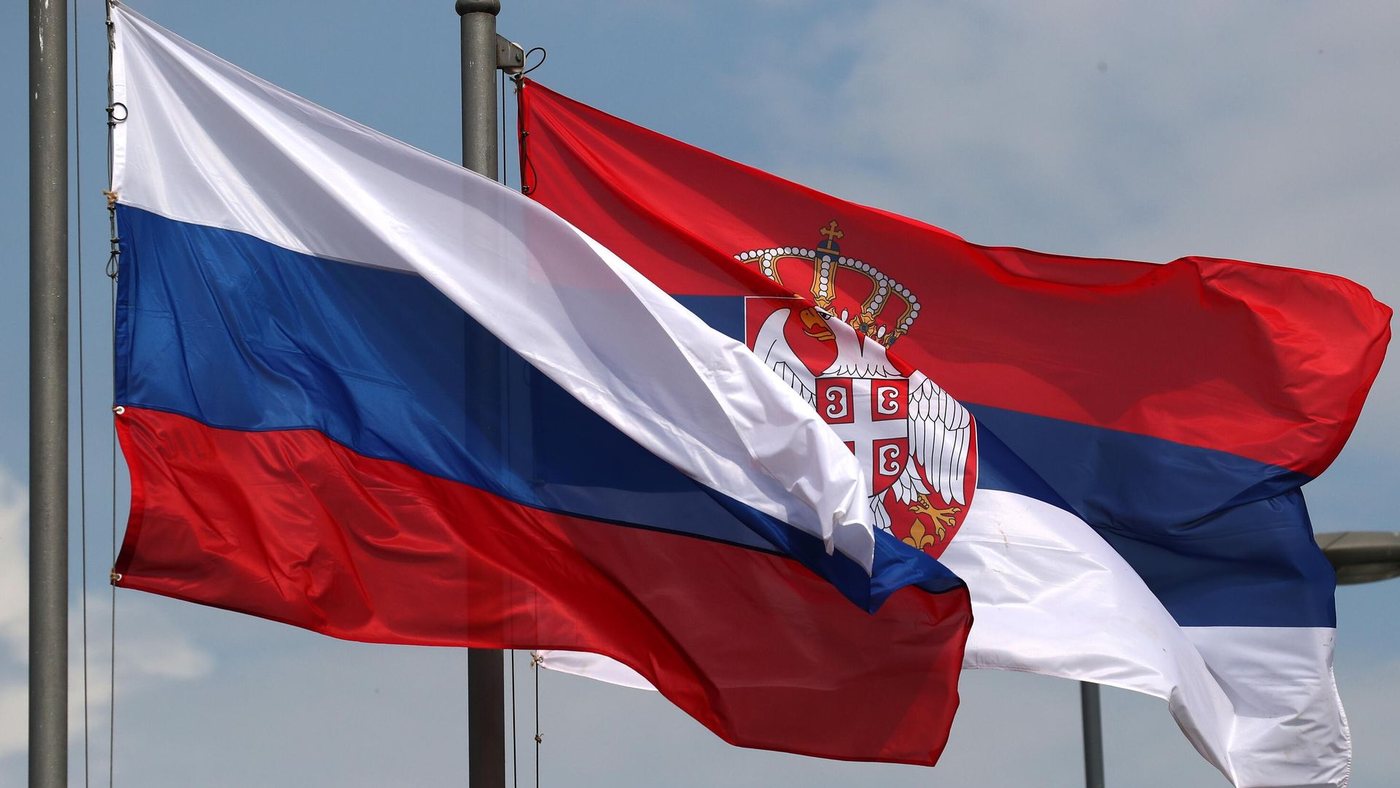
The immediate fact is simple: Serbia still allows Russian citizens with ordinary passports to enter without a visa for stays of up to 30 days. Serbia’s Foreign Ministry continues to publish that rule as of Aug. 11, 2026. There is no announced Serbian implementation date for a visa requirement on Russians.
The reason the issue is nevertheless moving up the agenda is that visa policy is part of Serbia’s broader accession relationship with the European Union. The EU requires visas from Russian nationals, while Serbia has maintained a different rule. In a European Commission report under the visa suspension mechanism, Russia was one of 16 countries whose citizens had visa-free access to Serbia despite being on the EU’s visa-required list.
Serbia adopted a plan in November 2023 to harmonize its visa regime with EU policy. According to the Commission, that plan envisaged alignment for visa-required countries one year or six months before Serbia joins the EU. The Commission also made clear that it wanted faster progress. In other words, the plan created a route toward convergence but did not set a near-term date for Russian visas.
Montenegro illustrates why this matters. On July 23, 2026, its government adopted a decree that will require visas from citizens of Russia, Belarus, China, Saudi Arabia and Türkiye from Nov. 1. Montenegro described the move as full alignment with EU visa policy and linked it to a closing benchmark for negotiating Chapter 24, which covers justice, freedom and security, as well as its Reform Agenda.
That does not mean Serbia must copy Montenegro immediately. Candidate countries move through negotiations at different speeds and make national legal changes on their own schedules. Yet Belgrade is clearly still working on the same policy field. In April 2026, Serbian Interior Minister Ivica Dačić and EU Commissioner Magnus Brunner discussed border management and visa-policy harmonization. Serbia said it was committed to further alignment with EU standards and policies in home affairs.
The widely repeated 2027 date needs a separate explanation. Serbian officials have used 2027 as an ambition for completing major reforms necessary for EU membership. They have not presented it as a guaranteed date for Serbia to enter the Schengen Area. Finishing accession reforms, actually joining the EU and eventually participating fully in Schengen are distinct milestones.
That distinction matters because it changes the status of the Russia question. Serbia is not operating under a public countdown in which Russian visa-free travel automatically ends in 2027. Instead, it is under continuing pressure to reconcile a list of national visa exemptions with the EU acquis. Russia is one of the clearest remaining differences.
For travelers, nothing changes until Serbia adopts and implements a new rule. For policymakers, however, Montenegro’s decision makes the trade-off more visible. Preserving visa-free access can support tourism, business travel and Serbia’s special relationship with Russia; removing it can demonstrate closer compliance with EU expectations.
The next stage will depend on Belgrade’s sequencing of accession reforms. If Serbia starts eliminating the most politically significant visa-policy gaps before membership is close, the Russian exemption could move from a theoretical issue to a formal government decision. For now, it remains in force—and under increasing scrutiny.
64

Source: European Commission — report on Serbia’s visa-policy alignment