Memorandum
- From
- Caroline Mercer
- Date
- Filed
- News·5 min to read
- Re
What is known about the Nepal-Tibet flood disaster
ReWhat is known about the Nepal-Tibet flood disaster
At least 98 people are dead and hundreds remain missing after a fast-moving Himalayan flood. Here is what is known about the toll, the suspected trigger and the continuing risk.
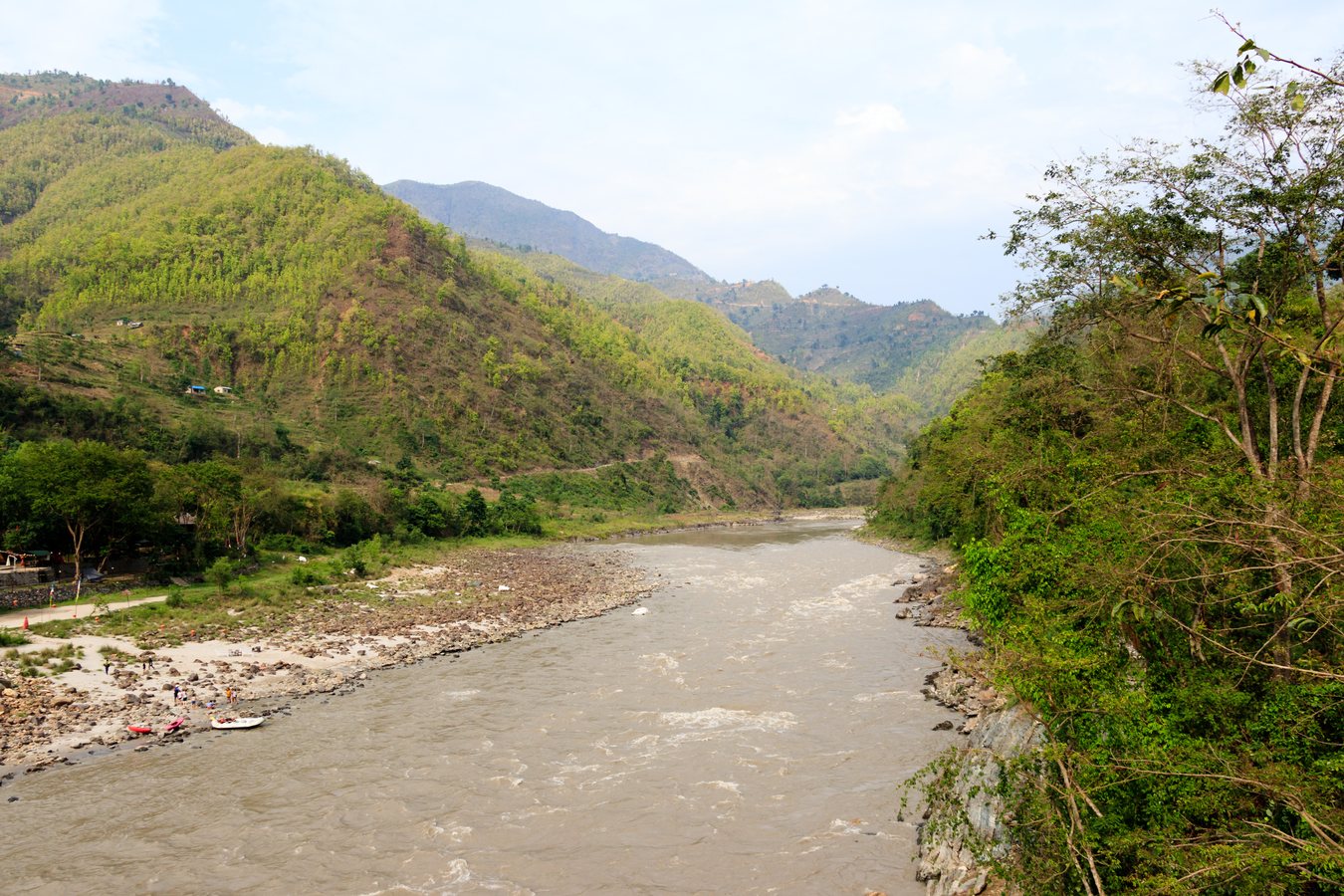
The scale of the flood disaster on the Nepal-Tibet border became clearer through Wednesday as casualty figures climbed, lists of missing travelers expanded and authorities warned that the danger was not necessarily over.
At least 98 people were reported dead in the latest Associated Press update: 95 in Nepal and three in the Tibet region of China. Nepalese officials listed 403 people as missing, including 341 foreign nationals. China’s state broadcaster said 265 people were missing in Gyirong County. Those numbers are best read as a moving operational count rather than a final toll because communications and access remain disrupted.
The first point to understand is geography. The affected valleys sit in a steep Himalayan border zone where rivers descend rapidly from Tibet into Nepal. Water from the Lhende and Bhote Koshi systems eventually joins the Trishuli. A sudden release high in that system can therefore move quickly through settlements, roads, construction sites and hydropower facilities below.
That is what witnesses and video from Wednesday showed: water heavily loaded with mud and rock spreading through built-up areas, damaging houses and vehicles and cutting transport links. Rescue teams faced the same terrain that made the disaster so destructive. High water, deep mud and unstable slopes limited where helicopters and ground crews could operate.
The second point is that the cause is not settled. Preliminary analysis by Nepalese disaster authorities and researchers suggests an ice-and-rock or snow-and-rock avalanche occurred near the Lhende river. One working theory is that avalanche debris blocked the river long enough for water to accumulate and then break through. Scientists quoted in Nepal cautioned that the reason the avalanche occurred has not yet been confirmed.
A magnitude 4.4 earthquake was also recorded in the region shortly before the catastrophe. Its timing is being examined, but no evidence has yet established that the quake caused the avalanche. That distinction matters because early accounts of disasters often harden into explanations before field and satellite evidence is complete.
The third point is that the missing include large numbers of travelers. Nepal’s Tourism Board said hundreds of tourists had not been located, many of them foreigners. The border route is used by trekkers and pilgrims heading toward Mount Kailash as well as by local workers and traders. In an area where tour groups can be dispersed across roads, hotels and camps, compiling an accurate list takes time.
The flood also created an infrastructure problem. Nepal’s energy ministry said about 430 megawatts of hydropower capacity was affected, more than 12% of the country’s installed hydropower capacity. Roads, bridges and communications were damaged on both sides of the border, turning a rescue emergency into a longer-term transport and energy challenge.
Authorities warned people downstream to remain away from vulnerable riverbanks because a blockage higher in the system could produce another surge. That warning is one reason the story cannot be reduced to a death toll: communities that survived the first wave may still face danger while engineers and scientists assess upstream conditions.
The region also carries a warning from recent history. A deadly flood on the Bhote Koshi last year was later linked to the drainage of a supraglacial lake. Wednesday’s event may prove to have a different mechanism, but both show the need for faster monitoring and warning in Himalayan valleys where glacial, landslide and river hazards can interact.
The next reliable picture will come from three things: restored communications, searches of isolated settlements and better evidence from the avalanche zone. Until then, officials are likely to keep revising the numbers, and the status of many missing travelers will remain uncertain.
59