Memorandum
- From
- Caroline Mercer via FOX News
- Date
- Filed
- News·5 min to read
- Re
United Airlines passenger ordered to change anti-war T-shirt before flight
ReUnited Airlines passenger ordered to change anti-war T-shirt before flight
A New Jersey man says United Airlines forced him to change a T-shirt reading 'Bombing kids is not self defense' before boarding a flight, citing company policy against offensive clothing. The passenger has filed a complaint with the U.S. Department of Transportation.
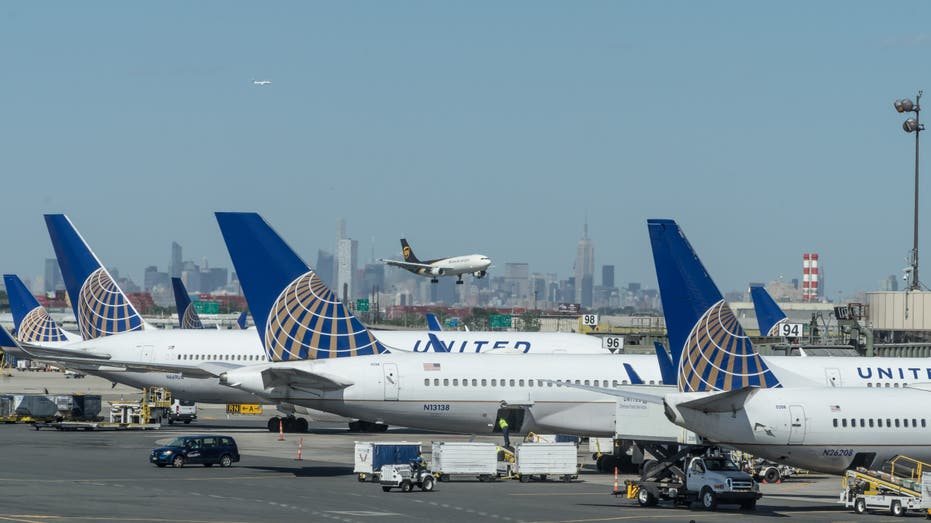
A New Jersey man says he was ordered to change an anti-war T-shirt before boarding a United Airlines flight from Atlanta to Newark Liberty International Airport in early June, after a flight attendant deemed the message offensive. Sam Saadeh, of Linden, New Jersey, told CBS New York that he was seated on the June 4 flight when a United supervisor approached him and informed him that the crew found his shirt objectionable.
Saadeh recalled that the supervisor gave him two options: change the shirt or leave the flight. He said he felt humiliated by the encounter and that airline personnel could not explain how the message violated company policy. The shirt in question bore the phrase «Bombing kids is not self defense.» Saadeh, who is of Palestinian descent, said the shirt was intended to advocate for children and oppose violence regardless of nationality or ethnicity.
United Airlines confirmed to Fox News Digital that Saadeh ultimately traveled on the flight after changing his shirt. A United Media Relations spokesperson stated, «This customer flew as scheduled after changing his shirt. That's all we'll have to share.» The airline's Contract of Carriage allows it to refuse transportation to passengers who are «not properly clothed, or whose clothing is lewd, obscene or offensive.» Fox News Digital has not independently verified the passenger's account, and United declined to provide additional details about why the shirt was deemed offensive.
Saadeh told CBS New York that he filed a complaint with the U.S. Department of Transportation and is consulting with attorneys. Wear the Peace, the organization behind the shirt, posted screenshots on Facebook of what it said was an email Saadeh sent describing the incident. In the email, Saadeh wrote that a United flight attendant first asked what his shirt said before a supervisor later asked him to get off the plane. According to the email, the supervisor told Saadeh the flight attendant was offended because the shirt contained the word «bomb» and said he would have to change it or he would not be allowed to remain on the flight.
Saadeh also wrote that after landing in Newark, a United representative told him other passengers had complained because they found the shirt offensive and felt unsafe. In a Facebook post, Wear the Peace said the shirt was «a peaceful statement, not a threat» intended to draw attention to the deaths of children in Gaza. The organization wrote, «The message does not encourage violence, threaten anyone, or suggest that the person wearing it intends to harm others.»
In a follow-up post, the organization disputed the explanation that the word «bomb» prompted concern, arguing there was an important distinction between the phrase «Bombing kids is not self defense» and language suggesting a passenger posed a threat. «The shirt did not say, 'I have a bomb.' It said, 'Bombing kids is not self defense,'» the organization wrote, adding that clothing containing words such as «TNT» or «killer» is not typically treated as a security concern. Wear the Peace also claimed one of its members recently flew on a United flight alongside a passenger wearing an Israel Defense Forces shirt without incident, arguing the airline applied its policy inconsistently.
The incident has drawn attention to how airlines enforce dress code policies, particularly regarding political or social messages. United's Contract of Carriage gives the airline broad discretion to determine what constitutes offensive clothing, but critics argue that such policies can be applied arbitrarily. Saadeh's case is not isolated; similar disputes have arisen in recent years over clothing with slogans related to political candidates, social movements, or religious symbols.
Fox News Digital has reached out to the U.S. Department of Transportation to confirm receipt of Saadeh's complaint, inquire whether the agency is reviewing the incident, and request comment on the allegations that a passenger was required to change his clothing before being allowed to travel. The outcome of the complaint could set a precedent for how airlines handle passengers' expressive clothing in the future.
89