Memorandum
- From
- Derek Weston via FOX News
- Date
- Filed
- News·5 min to read
- Re
Study finds Apple and Google news algorithms suppressed negative coverage of Michigan Senate candidate
ReStudy finds Apple and Google news algorithms suppressed negative coverage of Michigan Senate candidate
A Media Research Center study found that Apple News and Google News displayed no negatively framed headlines about progressive Michigan Democratic Senate candidate Abdul El-Sayed in the top stories reviewed, raising concerns about voter information.
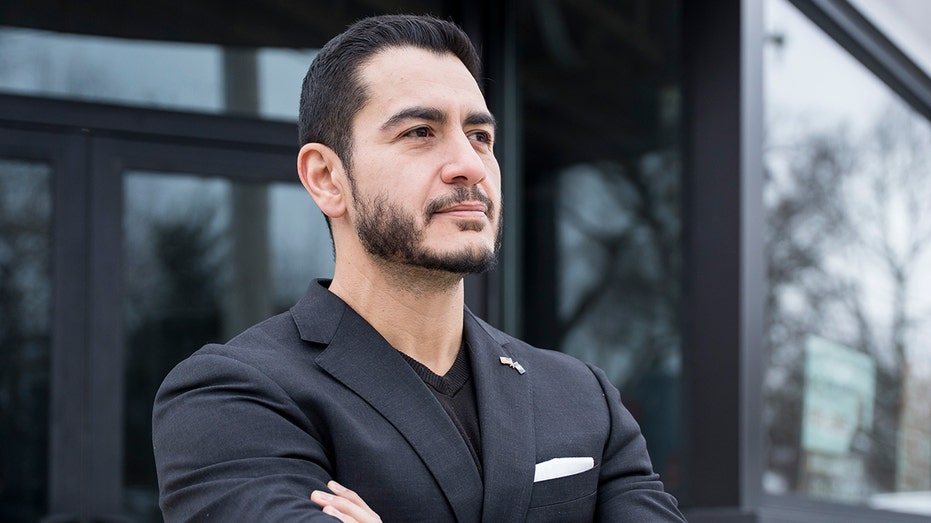
A new study from the Media Research Center claims that Apple News and Google News algorithms suppressed negatively framed headlines about progressive Michigan Democratic Senate candidate Abdul El-Sayed, potentially leaving voters without a complete picture of his record and controversies. The conservative media watchdog group said its researchers tracked the top 20 stories on Google News each morning from November 1 through July 21, and on Apple News from November 3 through July 21, finding that neither platform featured any negatively framed headlines about El-Sayed in the samples reviewed.
The study, released Friday as voters prepare for the August 4 primary, identified at least 104 stories from right-leaning outlets that covered El-Sayed's record, statements, and policies but did not appear in the feeds researchers examined. According to the MRC, Apple News and Google News each featured only one headline about Michigan's Senate race during the review period, and neither focused on controversies involving El-Sayed.
MRC President David Bozell warned that the feeds' selections could undermine informed voting. “Most Americans don't search dozens of news websites every day,” Bozell said in a statement. “They open Apple News or Google News and read what’s presented to them.” He connected the findings to the group’s previous investigation of Google News coverage of former Maine Senate candidate Graham Platner, who left the race after a rape accusation. Bozell claimed that Google News did not feature more than 250 stories covering controversies involving both El-Sayed and Platner, and that 69% of outlets featured in Google News’ top news selections were left-leaning, compared to just 3% that were right-leaning.
The stories that researchers say were suppressed addressed a range of issues, including questions about El-Sayed's use of his medical title, his campaigning with far-left streamer Hasan Piker, his acceptance of an endorsement from Arab American Political Action Committee leader Osama Siblani, and his support for policies such as Medicare for All, abolishing ICE, and shifting funding away from police departments. El-Sayed also faced scrutiny after CNN's Manu Raju asked him in April whether he considered the Israeli government as evil as Hamas. “Yes, killing tens of thousands of people makes you pretty damn evil,” El-Sayed replied. “Hamas: Evil, Israeli government: Evil. We can say both.”
Bozell said the findings raise serious questions about whether the platforms are providing users with a comprehensive view of major political stories. “Google News presents itself as a comprehensive news product, but Google News consumers should not have to wonder whether major, newsworthy reporting about candidates is being left out of what they see,” he said.
The August 4 Democratic primary has narrowed to El-Sayed and Representative Haley Stevens, after state Senator Mallory McMorrow suspended her campaign. Michigan Governor Gretchen Whitmer endorsed Stevens on Friday, the same day the MRC study was released. Fox News Digital reached out to Apple, Google, and the El-Sayed campaign for comment but did not immediately receive a response. In earlier disputes over similar MRC allegations regarding Graham Platner, a Google spokesperson called the claims “totally false and based on a completely flawed methodology,” noting that the analysis relied on a single daily snapshot from one account and failed to account for updates, interests, and location. Apple has stated that its Top Stories are selected by editors and appear the same for every user, while other parts of its Today feed can be personalized.
The study underscores ongoing debate over the role of algorithmic curation in shaping public perception of political candidates, as news consumption increasingly shifts to aggregated platforms. The MRC’s methodology involved researchers logging the top 20 stories each morning at 8:30 a.m. ET on a clean computer, clearing search histories and cookies to prevent personalization. They tested whether sources and story types changed throughout the day and found no statistically significant differences. Researchers examined Google News’ default home tab, not its search engine. With the primary just days away, the findings add another layer of scrutiny to how digital platforms handle political content.
87