Memorandum
- From
- Derek Weston via Fortune | FORTUNE
- Date
- Filed
- News·5 min to read
- Re
Scientists warn of an «extreme of extremes» as climate disasters grow more frequent
ReScientists warn of an «extreme of extremes» as climate disasters grow more frequent
Climate scientists say the kind of catastrophic heat wave depicted in Kim Stanley Robinson's novel «The Ministry for the Future» is becoming a realistic possibility as greenhouse gas emissions continue to rise and extreme weather events grow more frequent worldwide.
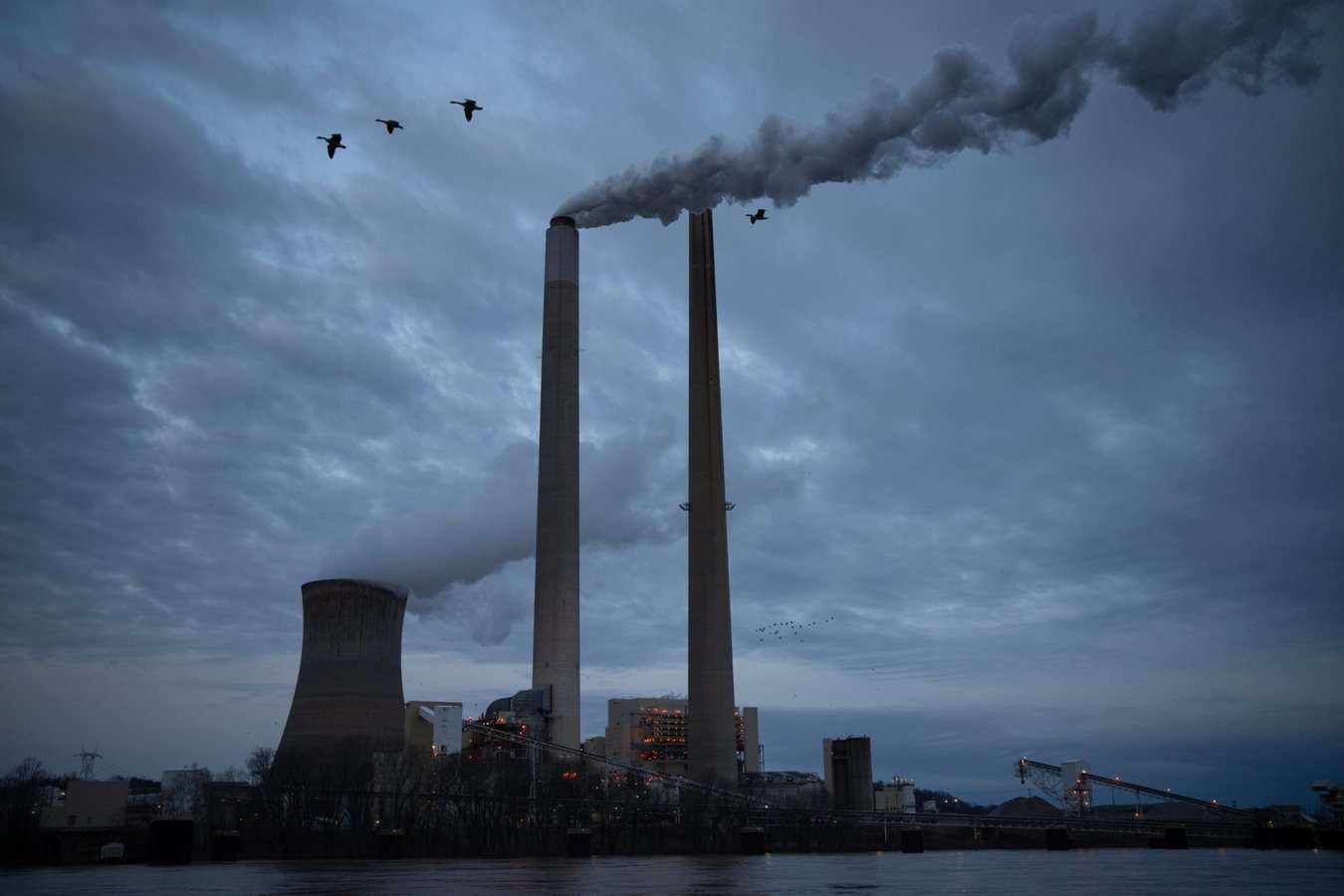
Climate scientists are increasingly warning that catastrophic weather events once confined to fiction are becoming realistic possibilities, as greenhouse gas emissions continue to accumulate in the atmosphere and extreme weather grows more frequent and intense. The warnings echo the opening scene of Kim Stanley Robinson's 2020 novel «The Ministry for the Future,» in which a heat wave combined with an electrical grid failure in India kills 20 million people and forces the world's nations to unite against climate change.
Daniel Swain, a climate scientist with the California Institute for Water Resources, acknowledged the difficulty of communicating such risks without being dismissed as alarmist. «The risk is that people just think you are exaggerating,» Swain said. «It's the 'Boy Who Cried Wolf' problem. Sometimes wolves are real. If it's outside the door, wouldn't you want to know?»
The scientific understanding of heat and carbon dioxide dates back to the 1850s, when amateur scientist Eunice Newton Foote conducted experiments in Seneca Falls, New York. Foote placed different substances, including carbon dioxide and moist air, inside glass cylinders and left them in the sun. She found that cylinders containing carbon dioxide heated up faster and took longer to cool after sunset. That greenhouse gas, released when coal, gas, or oil is burned, is now understood as a primary driver of global warming.
Earth's average temperature in 2025 was 1.44 degrees Celsius (2.59 degrees Fahrenheit) warmer than in the early 1800s, according to the article. That increase has led to more frequent and more intense extreme weather events. The United States has released more greenhouse gas than any other country, though the current administration has dismissed climate concerns. President Donald Trump has called climate change «the greatest con job ever,» referred to climate policies as a «Green New Scam,» and said U.N. climate predictions were made by «stupid people.»
Recent disasters illustrate the scale of the threat. Australia's «Black Summer» wildfires in 2019 and 2020 scorched 19 million hectares, over 46 million acres. In 2022, flooding in Pakistan left a third of the country under water. Hurricanes Milton and Helene ravaged parts of the southern United States in 2024. Smaller disasters have also mounted, including Texas floods that engulfed young campers, Los Angeles wildfires that destroyed entire neighborhoods, and Typhoon Kalmaegi, which struck Vietnam and the Philippines.
Sarah Perkins-Kirkpatrick, a climate scientist at Australian National University, described a «come to Jesus moment» when she realized that constant extreme weather events would not stop even if the world immediately reached net zero, the point at which as much greenhouse gas is removed from the atmosphere as is released. Many countries and major companies have net-zero targets for 2050 or beyond, but carbon dioxide can remain in the atmosphere for hundreds of years, meaning the damage could take centuries to reverse.
«It's the issue of the frog in the boiling water,» Perkins-Kirkpatrick said. «If we get used to bracing ourselves, are we going to notice?»
No country is truly prepared for a major climate disaster, and the risks are changing. Robinson said that if he were writing today, he would add a chapter on wildfires, which have become larger and more destructive. While the specific heat disaster he wrote about in India would arguably be less likely today due to reduced reliance on the electrical grid and increased use of solar power, Robinson believes the overall risks of catastrophe have increased. The book, he said, «still has a purpose.»
Sonia Seneviratne, a Swiss climatologist who vice chairs a working group of the Intergovernmental Panel on Climate Change, likened the risk to smoking and lung cancer. People who smoke will not necessarily get lung cancer, but their chances are higher, and doctors should say so. Similarly, the risk of massive extreme events rises with every tenth of a degree of warming. «If such an event happened, I could already see the criticism of people saying, 'Climate scientists didn't tell us,'» Seneviratne said. «But we did.»
46