
Memorandum
- From
- Delaney Sawyer via fox - Health
- Date
- Filed
- News·4 min to read
- Re
GLP-1 Weight-Loss Drugs Linked to Higher Rates of Nail Loss and Hair Shedding, Studies Find
ReGLP-1 Weight-Loss Drugs Linked to Higher Rates of Nail Loss and Hair Shedding, Studies Find
Two studies presented at a European dermatology congress found that users of GLP-1 medications reported nail detachment, discoloration, and unusual hair loss at significantly higher rates than non-users with similar health profiles, though researchers caution the findings show association, not causation.
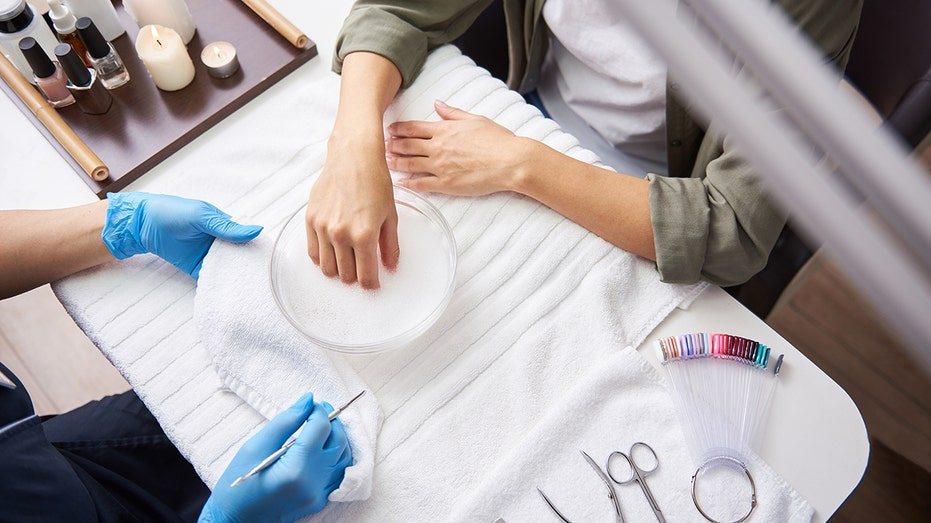
People taking GLP-1 medications for obesity or type 2 diabetes are reporting nail detachment, discoloration, and unusual hair loss at significantly higher rates than people with similar health conditions who do not use the drugs, according to research presented at the European Academy of Dermatology and Venereology Congress 2026 in Vienna.
The two studies evaluated 575 GLP-1 users and a control group of 1,329 non-users, all of whom had type 2 diabetes, obesity, or both. Participants were recruited across France, the United States, Brazil, and Mexico. In the primary study examining nail health, 39 percent of GLP-1 users reported nail detachment compared with 9 percent of non-users. Nail discoloration affected 46 percent of users versus 17 percent in the control group. Overall, two-thirds of GLP-1 users reported at least one nail disorder, compared with 53 percent of the control group.
Researchers found that weight loss alone did not explain the difference. Even when they looked only at people who lost weight, those taking GLP-1s were still more likely to have these problems. After adjusting for existing dermatological conditions and nutritional deficiencies, nail detachment and discoloration remained two to three times more frequent among the medication group.
«Until now, nail changes associated with GLP-1 therapies had essentially been anecdotal,» said study author Dr. Charles Taïeb, a clinical dermatologist at Necker University Hospital in Paris, in a press release. «Our findings show a clear association, but they also underline an important point: Not everything that happens during GLP-1 treatment is necessarily caused by the treatment itself.»
A second study evaluating hair and scalp conditions among the same group found that 50 percent of GLP-1 users reported unusual hair loss compared with 34 percent of the control group. After starting treatment, 26 percent of users reported hair loss or thinning, compared with 12 percent of non-users. Loss of hair volume was also more common, affecting 42 percent of users compared with 19 percent of non-users. Scalp redness was reported around three times as frequently in GLP-1 users, and hair loss among users was typically accompanied by inflammatory scalp symptoms such as itching, scaling, or redness.
«This suggests that what is happening on the scalp may go beyond the classical shedding seen after rapid weight loss and involve an inflammatory component,» said study author Dr. Bruno Halioua, a Paris dermatologist, in the release. «Scalp inflammation was the rule rather than the exception, which clinicians do not currently look for and which may be treatable.»
Halioua advised patients experiencing these symptoms to consult a physician rather than stopping their medication, noting that the changes are typically not serious enough to warrant discontinuing treatment.
The authors emphasized that because both studies relied on patient-reported data collected at a single point in time, the findings only show associations and cannot prove that the medications caused these effects. Roughly half of the GLP-1 users surveyed reported having nail issues prior to starting treatment. The research team is planning further studies to determine when these changes occur, what may be causing them, and whether they resolve over time.
The studies received institutional support from DUCRAY Laboratories, a division of the Pierre Fabre Group. Fox News Digital reached out to GLP-1 manufacturers requesting comment.
7