Memorandum
- From
- Derek Weston via The New York Times
- Date
- Filed
- News·4 min to read
- Re
Newsom Weighs Commuting All 563 California Death Row Sentences
ReNewsom Weighs Commuting All 563 California Death Row Sentences
Gov. Gavin Newsom is discussing whether to commute the death sentences of all 563 inmates on California's death row, a move that would leave them serving life in prison without the possibility of release.
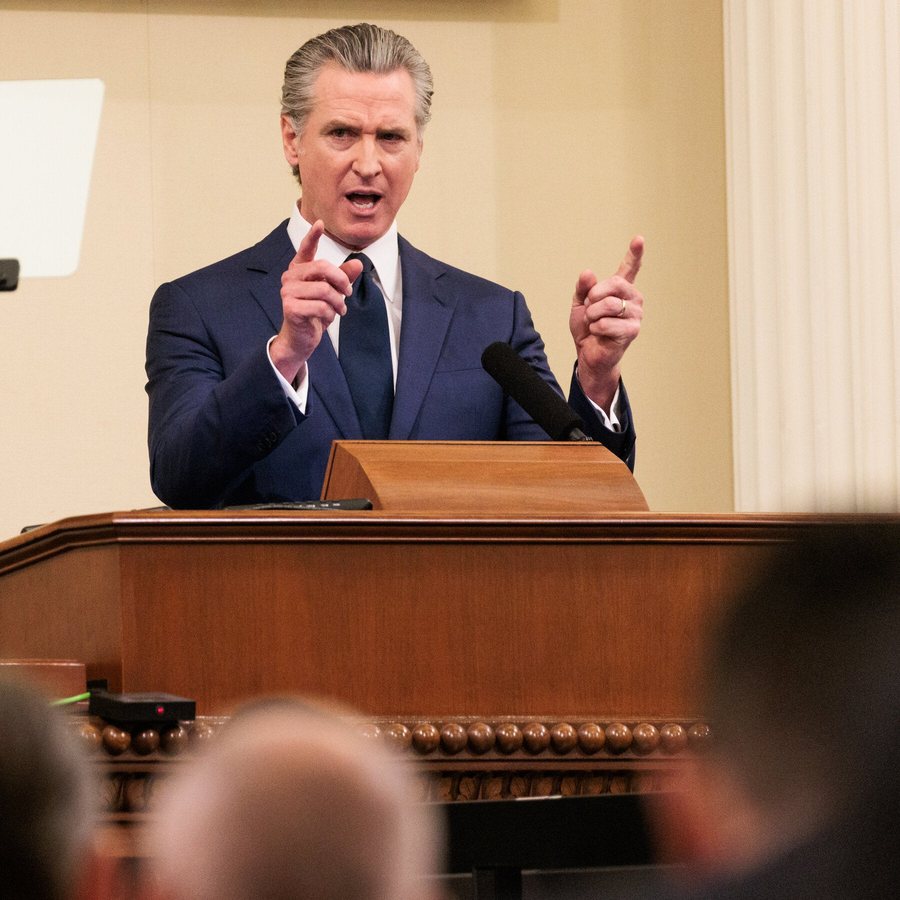
Gov. Gavin Newsom is weighing whether to commute the death sentences of all 563 people on California's death row, a decision that would spare their lives and leave them to serve the rest of their years in prison. The governor has been discussing the option, which would mark one of the most sweeping clemency actions by a U.S. governor in modern history.
California has not carried out an execution since 2006, and Newsom imposed a moratorium on the death penalty in 2019, halting executions during his time in office. That moratorium closed the state's execution chamber but did not alter the sentences themselves. Commuting the sentences would go further, converting each condemned prisoner's punishment into a term of life behind bars.
The scope of the potential action is what sets it apart. No governor has moved to commute an entire state's death row in a single stroke. The 563 prisoners involved include people convicted of the most serious crimes in California, and any blanket commutation would almost certainly draw legal challenges and intense political reaction.
Newsom's deliberations come as the death penalty remains a live national issue. Executions have continued in several states in recent years, while others have paused or abolished the practice. California's death row is the largest in the country, and its status carries symbolic weight beyond the state's borders.
A commutation would not free anyone. Those affected would remain incarcerated, typically under sentences of life without parole or a similar term. Supporters of such a step argue it reflects the reality that California has effectively stopped executing people, while opponents contend it would override jury verdicts and sentences imposed by the courts.
Legal questions would likely follow quickly. Prosecutors and victims' families could challenge the governor's authority to issue commutations on this scale, and the state's courts would have to sort out whether a blanket action is permissible under California law. The governor's clemency power is broad, but it has rarely been tested in a case involving hundreds of inmates at once.
Newsom has not announced a final decision, and it is not clear when or whether he will act. The discussions themselves signal that the governor is considering a legacy-defining move on an issue he has already shaped through the moratorium. For the 563 people on death row, the outcome would determine whether their sentences stand as imposed or are rewritten to keep them in prison for life.
The timing matters politically. Newsom is a prominent figure in national Democratic politics, and any decision on the death penalty would be scrutinized by both supporters and critics of capital punishment. A mass commutation would energize death penalty opponents while giving opponents a ready-made line of attack.
California voters have repeatedly considered the death penalty at the ballot box, and the state's long-running debate over capital punishment has never been fully settled. The moratorium froze executions but left the machinery of death sentences intact. Commuting the sentences would address that gap directly, though it would not abolish the death penalty as a matter of state law.
For now, the question rests with the governor. His office has not detailed a timeline, and the discussions remain preliminary. If Newsom proceeds, California would become the first state to clear its death row through commutation rather than through legislation or a court ruling, a step that would reshape how the country views the future of capital punishment.
10