
Memorandum
- From
- Connor Quincy via PBS NewsHour
- Date
- Filed
- News·4 min to read
- Re
Press Pool Boycotts Trump Trip Over White House Ban on CNN, MS NOW and Politico
RePress Pool Boycotts Trump Trip Over White House Ban on CNN, MS NOW and Politico
CNN, MS NOW and Politico are suing the Trump administration after being stripped of White House access. The rotating TV pool declined to send a replacement to cover Trump's UN General Assembly trip, and the White House launched its own 'Trump TV' streaming channel.
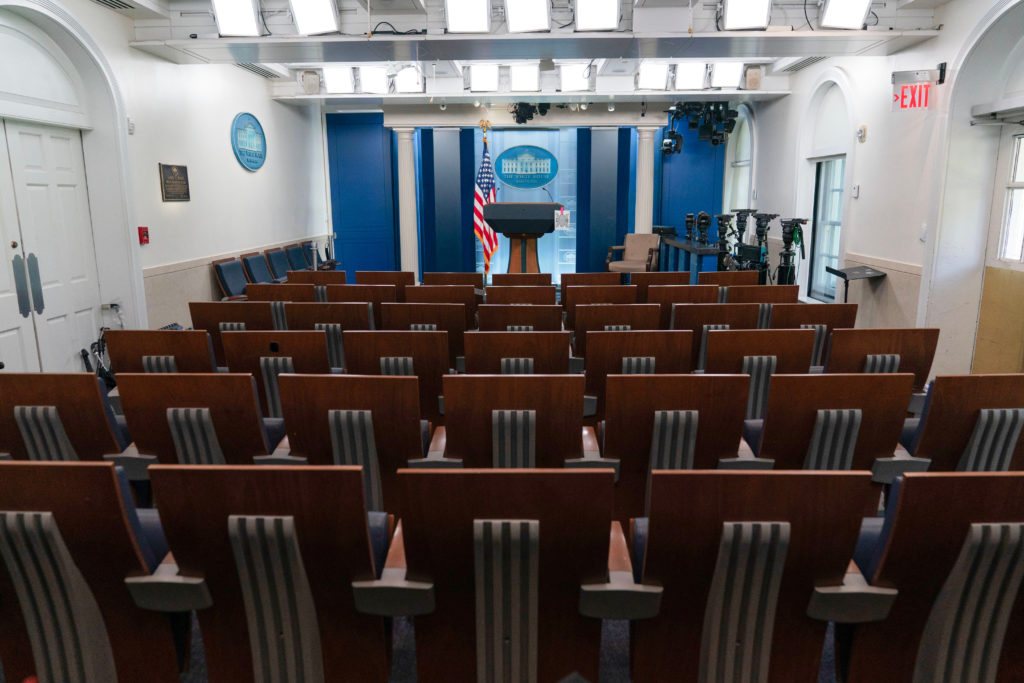
The rotating television press pool declined to send a replacement correspondent to cover President Donald Trump's trip to New York for the United Nations General Assembly after CNN was removed from its pool duties, escalating a confrontation between the White House and major news organizations over press access.
The dispute centers on the administration's decision to bar CNN, MS NOW and Politico from the White House over the weekend. The three outlets responded by filing a lawsuit against the Trump administration, describing the move as a «direct assault on the First Amendment.»
CNN had been serving in the rotating pool of TV journalists that accompanies the president and provides shared coverage for the broader television press corps. When the network was stripped of that role, the pool announced there would be no substitute assigned to cover Trump's New York trip, effectively leaving the president's movements at the UN gathering without the customary rotating television representation.
The White House did not leave the coverage vacuum unfilled. The administration launched a streaming channel called «Trump TV,» a move that came after the president barred the three outlets from White House grounds. The channel represents an unusual step in which the executive branch produces its own coverage at a moment when established news organizations are being excluded from official access.
The lawsuit from CNN, MS NOW and Politico frames the access restrictions as a constitutional issue rather than a routine scheduling or credentialing dispute. By invoking the First Amendment, the outlets are arguing that denying them White House access interferes with their ability to report on the president and his administration, a function that depends on physical proximity to official events and briefings.
The pool system has long been a practical arrangement: because not every outlet can attend every presidential event, a small rotating group shares written, photographic and television coverage with the wider press corps. When a network is removed from that rotation and no replacement is sent, the effect extends beyond the individual outlet, reducing the shared stream of information available to all newsrooms that rely on pool reports.
The standoff also raises questions about how the White House will handle press coverage during major diplomatic moments. The UN General Assembly brings together world leaders and generates heavy demand for reporting on the president's meetings, remarks and bilateral engagements. With the TV pool declining to fill CNN's slot, coverage of Trump's New York schedule will depend on other arrangements, including the administration's own channel.
The three outlets named in the ban — CNN, MS NOW and Politico — span cable television and political journalism, a combination that gives the dispute a broad reach across the media landscape. Their joint lawsuit signals a coordinated legal strategy rather than separate negotiations with the White House over credentials.
For now, the confrontation has produced two parallel developments: a court challenge over access and a boycott by the television pool that has left a gap in traditional coverage of the president's overseas travel. How the administration responds to the lawsuit, and whether the pool's position holds through future presidential trips, will shape White House press relations in the months ahead.
7