Memorandum
- From
- Delaney Sawyer via Fast Company
- Date
- Filed
- News·4 min to read
- Re
Hackers Send False Nuclear Threat Alerts to Phones Across Ukraine and Russia
ReHackers Send False Nuclear Threat Alerts to Phones Across Ukraine and Russia
Ukrainian and Russian emergency alert services were targeted by cyberattacks; residents of Ukraine received false nuclear threat warnings, and the Russian agency reported unauthorized messages in 33 regions.
Hackers sent false nuclear threat warnings to the mobile phones of residents in Ukraine through the mobile app of the emergency alert system, Ukrainian and Russian authorities reported. Both countries said their emergency alert apps had come under cyberattack. A link between the attacks, which took place overnight on Sunday, has not yet been confirmed.
Ukrainian users received messages with false claims of high radiation levels, a chemical threat and mass unrest in Kyiv. The texts were written in English with errors, as well as a mix of Russian and Ukrainian. One message in Russian read: "Hi! There will be a nuclear threat across Ukraine. Don't worry, Oreshnik is flying," referring to the Russian medium-range ballistic missile. Other messages urged people to take shelter.
The Ukrainian service, which citizens use to seek safety during Russia's daily missile and drone strikes, was suspended due to the attack and later resumed operation. In the Telegram channel for air raid alerts, it was reported that "unauthorized persons" had interfered with the app's operation, and users were asked not to click on links in "suspicious alerts." The State Center for Countering Disinformation urged people to follow other emergency channels on social media and rely on physical sirens while the attack is being addressed.
Yurii Ihnat, spokesperson for the Ukrainian Air Force Command, told the private broadcaster 1+1 that the cyberattack had not affected security and defense operations, as the app is separated from military command systems. A Telegram channel linked to Russian-language sources reported that a group called Hitcore had claimed responsibility for hacking the Ukrainian system, but this information has not been independently verified. Who is behind the attack and what the motives were remains unknown.
In Russia, the Ministry of Emergency Situations said hackers used its mobile app to send a false alert to 33 of the country's 89 regions at approximately 2:45 a.m. Moscow time (23:45 GMT). The ministry did not name those it believes are responsible for the attack, but said the vulnerability exploited by the attackers had been identified and that "necessary measures" were being taken to prevent a repeat. The ministry assured that the nationwide warning system is functioning normally via SMS, media broadcasts and city sirens and loudspeakers. Kremlin spokesperson Dmitry Peskov said all Russian state bodies are under constant threat of cyberattacks, including a growing number of attacks using artificial intelligence, and called for strengthened cybersecurity of digital resources.
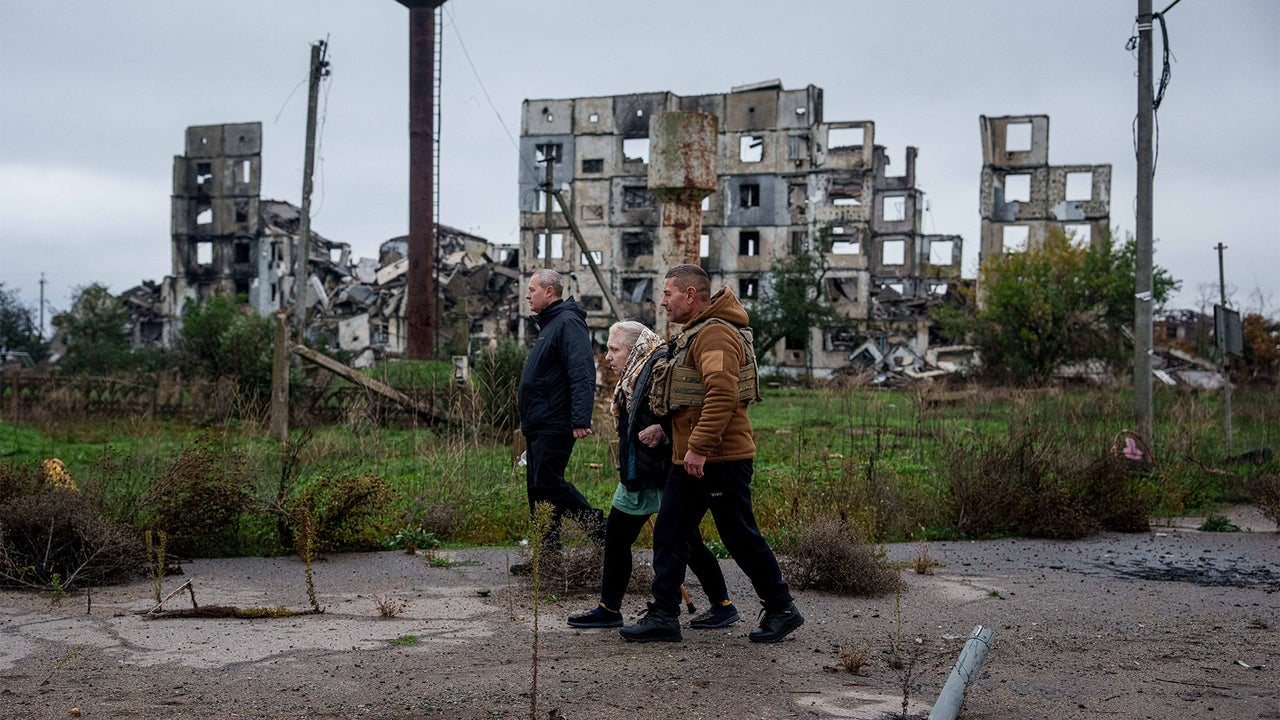
Separately, in the war-divided Kherson region, Ukrainian authorities reported several Russian drone attacks on Monday morning, a few hours after a humanitarian ceasefire ended. The regional administration reported that a 62-year-old woman and a 73-year-old man with blast injuries were hospitalized in the city of Kherson, located on the bank of the Dnipro across from Russian-occupied territory. The local ceasefire lasted from October 27 until midnight on Monday and was part of a humanitarian aid and evacuation mission in occupied Oleshky. According to Ombudsman Dmytro Lubinets, who was Ukraine's main civilian negotiator during the mission, the oldest evacuee was 94 years old, and 104 pets were also rescued. He said he hopes this model will serve as an example for other missions and could "add momentum" to the three-stage negotiations between Ukraine, Russia and the United States expected this month. Lubinets noted the participation of US First Lady Melania Trump, who helped mediate the limited truce, calling her role decisive. He said the mission was exhausting and very difficult.
3