
Memorandum
- From
- Delaney Sawyer via FOX News
- Date
- Filed
- News·6 min to read
- Re
New York Times Challenges Trump Subpoenas Targeting Reporters in Leak Probe
ReNew York Times Challenges Trump Subpoenas Targeting Reporters in Leak Probe
The New York Times has filed a motion to quash Justice Department subpoenas demanding three of its reporters testify before a grand jury, arguing the Trump administration is retaliating for its coverage of security concerns involving a Qatari-donated Air Force One. The newspaper says the subpoenas violate constitutional rights and are brought in bad faith.
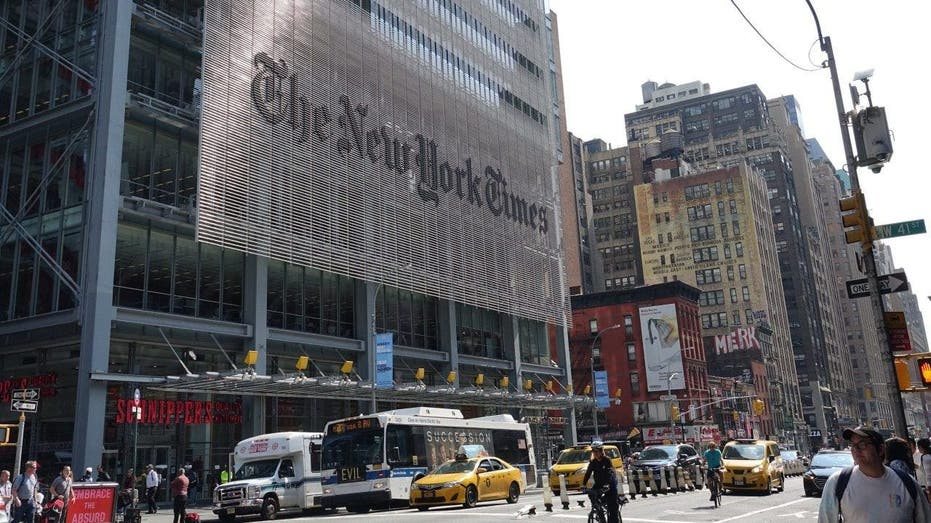
The New York Times asked a federal court in Manhattan on Wednesday to quash Justice Department subpoenas ordering three of its reporters to testify before a grand jury, arguing that the Trump administration was retaliating against the newspaper for its reporting on security concerns involving a Qatari-donated Air Force One. The newspaper described the demands as «abusive and improper» and said they violated the constitutional rights of the Times and its journalists.
«As we set out in our motion, these subpoenas are brought in bad faith to punish The Times for its coverage,» David McCraw, the Times’ senior vice president and deputy general counsel, said in a statement. «They violate the constitutional rights of The Times and its journalists. We are going to court to defend our journalists’ rights to report freely on the administration and to provide the public with stories that matter.»
The subpoenas were delivered Friday, including to reporters at their homes, and directed the journalists to appear before a federal grand jury on Wednesday. The testimony did not proceed after the Times filed its legal challenge. The newspaper initially expected five journalists to receive subpoenas, but three were ultimately served, according to the Associated Press.
The dispute stems from Times reporting that President Trump switched to an older Air Force One after the newspaper reported that the newly retrofitted aircraft lacked some advanced security systems, including antimissile capabilities. Trump denied that security concerns prompted the change. The administration spent approximately $400 million upgrading the aircraft after Qatar donated it.
The filing was submitted under seal in the Southern District of New York pursuant to a court order, the AP reported. The Times also asked the court to unseal the documents. «The Times believes that the public has a right to information about this case,» McCraw said.
The Justice Department disputed the Times' characterization and said the investigation was focused on government employees suspected of disclosing protected information rather than the journalists who received it. «To be clear, reporters are not the targets, those leaking classified information are,» the department said. The department said journalists play an important role while arguing that federal authorities must protect sensitive government information. «We value and appreciate the important role that the press plays in this country,» the department said. «But DOJ also plays an important role to make sure that the people entrusted with our nation’s secrets do what they’re supposed to do with that information, which means not sharing classified information.»
In a statement to Fox News Digital, a White House official said the administration viewed disclosures involving the presidential aircraft as a potential danger to those aboard and would pursue the people responsible through lawful means. «Leaks that jeopardize the safety of the president, his staff and the traveling press pool are dangerous and a threat to national security,» the White House official said. «The White House takes these leaks seriously and will do everything legally to ensure the individual or individuals are caught, and it does not happen again.»
Acting Attorney General Todd Blanche defended the subpoenas during his Senate confirmation hearing Wednesday, describing the reporters as potential witnesses in a criminal leak investigation. «They’re material witnesses, just like a reporter would be a material witness to a car crash,» Blanche said.
The subpoenas were issued by Manhattan U.S. Attorney Jay Clayton, who appeared Wednesday before the Senate Intelligence Committee as Trump's nominee for director of national intelligence, according to the AP. Sen. Ron Wyden, D-Ore., questioned whether prosecutors had first exhausted other avenues for obtaining the information. «We followed the processes that we’re required to follow,» Clayton said, according to CNN, including procedures intended to protect the First Amendment and press freedom.
The subpoenas came after the Justice Department restored prosecutors’ authority in 2025 to use subpoenas, court orders and search warrants during investigations of unauthorized disclosures to journalists, reversing Biden-era protections. The move marked a significant shift in the department's approach to leak investigations, giving prosecutors more tools to compel testimony and evidence from reporters.
The Times' legal challenge highlights the ongoing tension between the Trump administration and major news organizations over press freedoms and the protection of confidential sources. The newspaper argued that the subpoenas were not only retaliatory but also threatened to chill reporting on matters of public interest, particularly those involving national security and the presidency.
Legal experts noted that the case could set a precedent for how courts balance the government's interest in investigating leaks against the First Amendment protections afforded to journalists. The Times' motion to quash the subpoenas and to unseal the court documents is expected to be heard in the coming weeks, with potential implications for the broader relationship between the press and the executive branch.
103