
Memorandum
- From
- Connor Quincy
- Date
- Filed
- News·4 min to read
- Re
Mistrial declared in Lindsay Clancy case after jury deadlocks
ReMistrial declared in Lindsay Clancy case after jury deadlocks
A Massachusetts judge declared a mistrial in the Lindsay Clancy case after jurors said they were hopelessly deadlocked on charges that she killed her three young children in 2023.
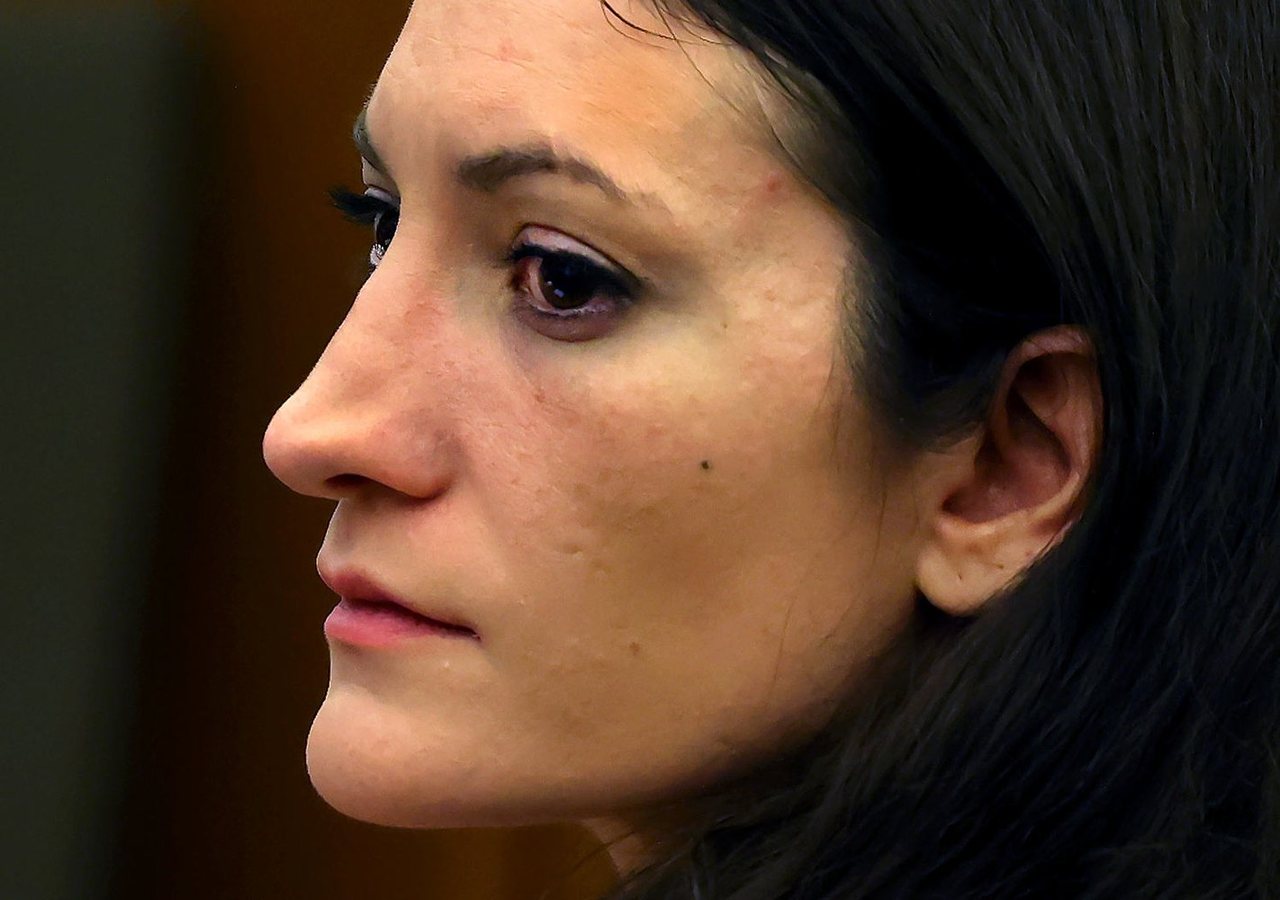
A mistrial was declared Thursday in the case of Lindsay Clancy, the Massachusetts mother charged with killing her three young children in 2023, after the jury told the judge it was hopelessly deadlocked. The announcement brings an uncertain close to a trial that had become a national flashpoint in the debate over how the legal system treats mothers who kill their children while suffering from severe postpartum mental illness.
Clancy, a former labor and delivery nurse from Duxbury, Massachusetts, was charged with murder and other offenses in connection with the deaths of her daughter Cora, 2, and sons Dawson, 5 months, and Callan, 3, who died in January 2023. Prosecutors argued that Clancy planned the killings and was aware of her actions. Her defense team countered that she was not criminally responsible because she was suffering from postpartum psychosis, a rare and severe psychiatric emergency that can involve delusions, hallucinations, and a break from reality.
The jury deliberated for days before informing the court that it could not reach a unanimous verdict. The judge accepted the deadlock and declared a mistrial, leaving prosecutors with the decision of whether to retry the case. Legal observers noted that a retrial would hinge on the same central question that divided the jury: whether Clancy’s mental state at the time of the killings met the legal standard for criminal responsibility under Massachusetts law.
The case has drawn intense public attention far beyond the courtroom. Advocacy groups focused on maternal mental health have pointed to the trial as evidence that postpartum psychosis remains widely misunderstood by the public and, at times, by the legal system. Medical experts testifying in the case described Clancy’s condition as consistent with postpartum psychosis, a diagnosis that is distinct from the more common postpartum depression and requires immediate psychiatric intervention.
In the wake of the trial, mental health professionals have reported an increase in calls from new mothers and their families seeking information about postpartum psychiatric conditions. Several clinics and hotlines have noted a surge in inquiries, with some patients citing the Clancy case as the reason they reached out for help. The trial also renewed discussion about how other countries, particularly the United Kingdom, handle similar cases, where mothers with postpartum psychosis are sometimes treated in specialized Mother and Baby Units rather than facing criminal prosecution.
The mistrial leaves the families involved in a state of limbo. The children’s father, Patrick Clancy, had publicly spoken about the tragedy, describing his wife as a loving partner who had been struggling with her mental health. He has also called for greater awareness of postpartum mental illness, urging other families to recognize the warning signs and seek help immediately.
Prosecutors have not yet announced whether they will seek a new trial. If they do, the case would likely be reassigned to a new jury, and the legal process would begin again. For now, the outcome underscores the difficulty of applying criminal law to cases where mental illness is central to the defense, a challenge that courts across the country continue to face.
73